Tragedy, Community, and Action by Kim Reisman
The Wesleyan Methodist tradition is one that puts actions with intentions.

The Wesleyan Methodist tradition is one that puts actions with intentions.
Leave this quiet time in peace, knowing that it is not your job to restore your own soul, and that you never leave the Shepherd’s presence.
When we are teachable, we come with simple, trusting hearts, ready to gain insight from another.
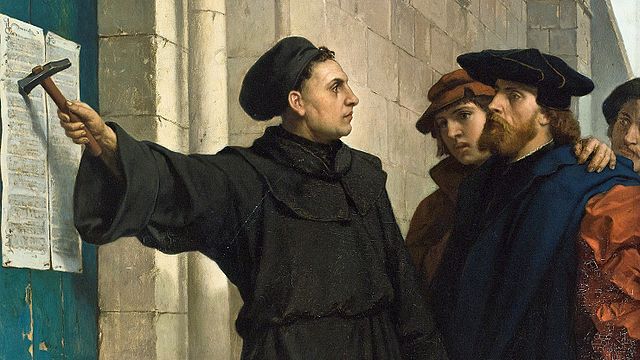
For I am not ashamed of the gospel; it is the power of God for salvation to everyone who has faith, to the Jew first and also to the Greek. For in it the righteousness of God is revealed through faith for faith; as it is written, “The one who is righteous will live by faith.” Romans 1:16-17 provides the thesis of
As clergy, we preach, we teach, we pray, we visit the sick, and we know the word, but how does this apply to ourselves?
Thank God for the blessings of your day. Ask God for guidance as you live the rest of your day. And leave this quiet time in peace knowing you never leave the Shepherd’s presence.

In the book of John, beginning at chapter 13, there is an interesting shift in how Jesus deals with the people he calls “friend.” First, he does this radical thing where he gets down on his knees and washes their feet. He wants to serve them and model for them what humility in the context of friendship looks like. With

But the Word comes nevertheless, not in an earthquake or fire or rushing wind, but in this man, Jesus the Christ. And he offers himself to us; eat from me, drink from me.

There’s an overwhelming amount of beauty and awe in the world – from midday eclipses to bounding monkeys in jungles to the perfect curl of newborn baby toes. At some point, though, we all encounter suffering. Sometimes it appears as physical pain; sometimes it’s in the form of prolonged waiting; sometimes it’s mental or emotional distress. Sometimes suffering occurs through our
There is something mystical about the way people will drive hours to serve perfect strangers a hot meal, muck out their flooded home, or repair a hole in the roof.
And so, among other things I’m giving up for Lent, I’m trying to give up the search to find some other hidden meaning. Perhaps I won’t get anything out of it. We don’t enter into the Lenten season practicing disciplines in order to achieve a particular return. It’s not an investment. Fasting and praying are not disciplines that we engage

I’m supposed to be sitting here writing something brilliant and thought-provoking. You (my audience) are well-versed in theology, social ethics, and various philosophies. You have high expectations, or you wouldn’t be here. Don’t get me wrong, I enjoy a good theological debate and I am passionate about the current social crises, but right now, I’m just really loving the font

“What’s for dinner?” It might be the most dreaded daily question an adult can be asked. If only there was a simple answer that did not hinge on a barrage of underlying questions: Who’s making dinner? What time are we eating? How many for dinner? Will there be any dislikes or allergies represented at the table? What’s in the cupboard?
Every morning I start off with the Morning Office. It’s an online version of the morning and evening prayer service found in the Book of Common Prayer. The service has scripture readings, prayers, and other useful tools for focusing on God. Each day’s reading starts off with a hymn. And while I usually focus on one of the scripture readings,

On a cold winter’s evening, whether to toast marshmallows, chat with friends or curl up and read a book, many of us might enjoy the opportunity to cozy up to a brightly burning fire in the hearth. But how many of us depend upon a fireplace—excepting in dire emergencies—to heat up our homes? The reality is, despite whatever scouting skills
Unless we hold God’s will as Christ held his Father’s, our gifts corrupt. They grow into the most sinister of idols, more powerful than the Baals.
It may just be that we don’t make connections between our experience of being in relationship with Jesus Christ and the experience of the rest of the world through massive efforts and structures. It may just be that it’s about the intimacy of crossing a footbridge to meet another in the middle.
We are called to be “strong but gentle,” called to “strive to make the right prevail,” through the light of God who is with us, who does not abandon us midday, whose purpose will not fail or crumble, who trains us to serve “a higher will.”

For my shield this day A mighty power: The Holy Trinity! Affirming threeness, Confessing oneness, In the making of all Through love… The breastplate of St. Patrick features this refrain at both the beginning and the end of its poem. St. Patrick’s invocation of the Trinitarian Godhead—Father, Son and Holy Spirit—is emblematic of Celtic Christianity. St. Patrick may be famously
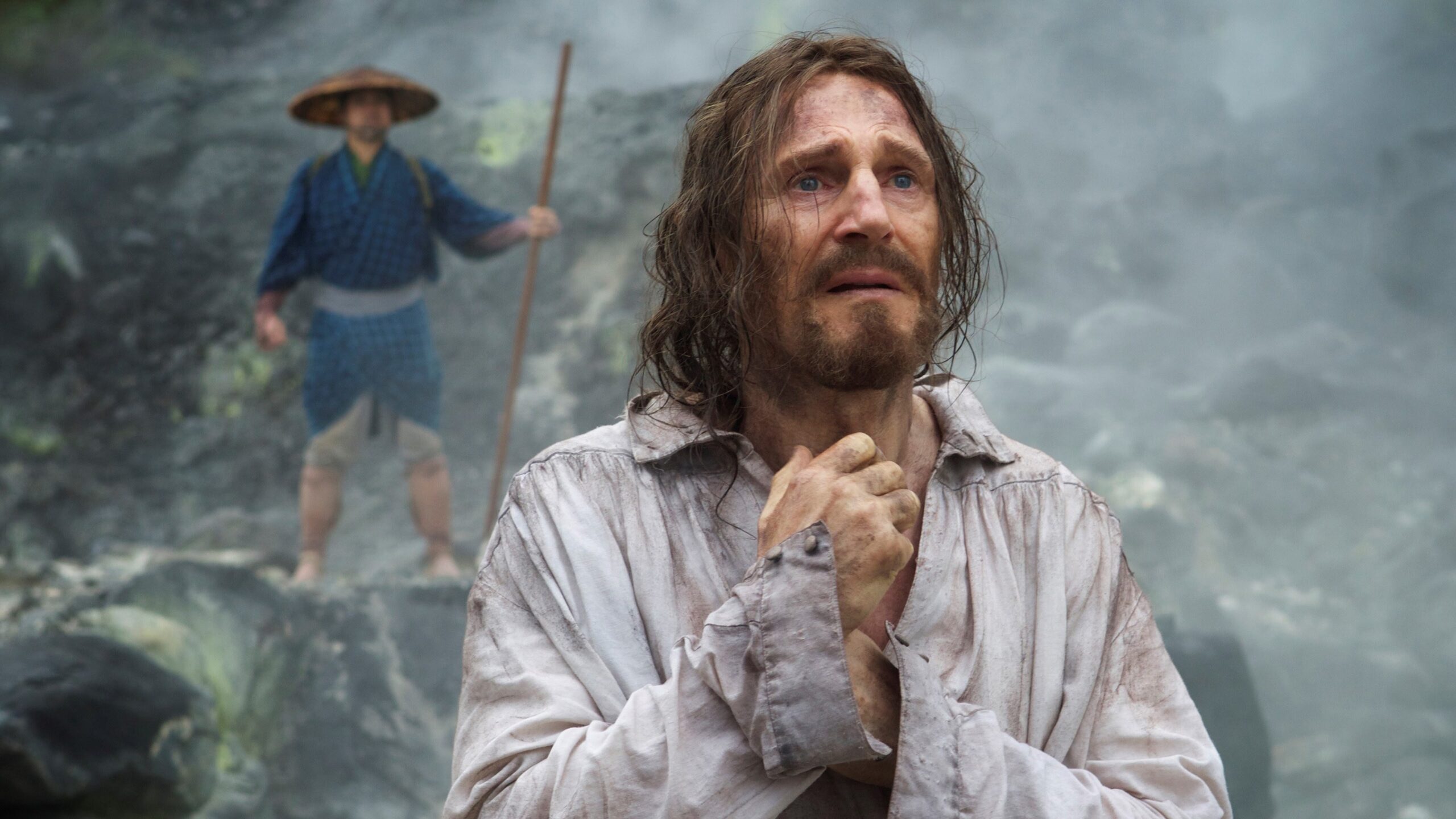
The Hero’s Journey American mythologist Joseph Campbell (1904-1987) was renowned for his ability to compare ostensibly opposing worldviews, philosophies, and religions through the lens of mythology. What Campbell discovered was that the human experience could be reduced down to a single concept: the “monomyth.” In other words, all human traditions have an archetypal pattern with thousands of variations, which basically