Embracing Trust and Obedience by Kim Reisman
The dynamics of trust and obedience define the relational and personal dimensions of faith. We tend to treasure what we trust and trust what we treasure.

The dynamics of trust and obedience define the relational and personal dimensions of faith. We tend to treasure what we trust and trust what we treasure.
At its most basic level, Christian faith is a centered, personal, relational response involving trust and obedience.

Whether you’re reading this at home or at work, let me ask you a question. What sort of signal do you give your neighbors? Do you extend welcoming hospitality or have you constructed walls for your personal safe haven? Go Home Ranch My wife and I once hired a handyman to build a lattice fence that would enclose a giant
Human identity is formed as we navigate a process of separating and joining. We become most fully who we are, not when we reach independence, but when we understand our interdependence and recognize that we are both separate and connected to those around us.
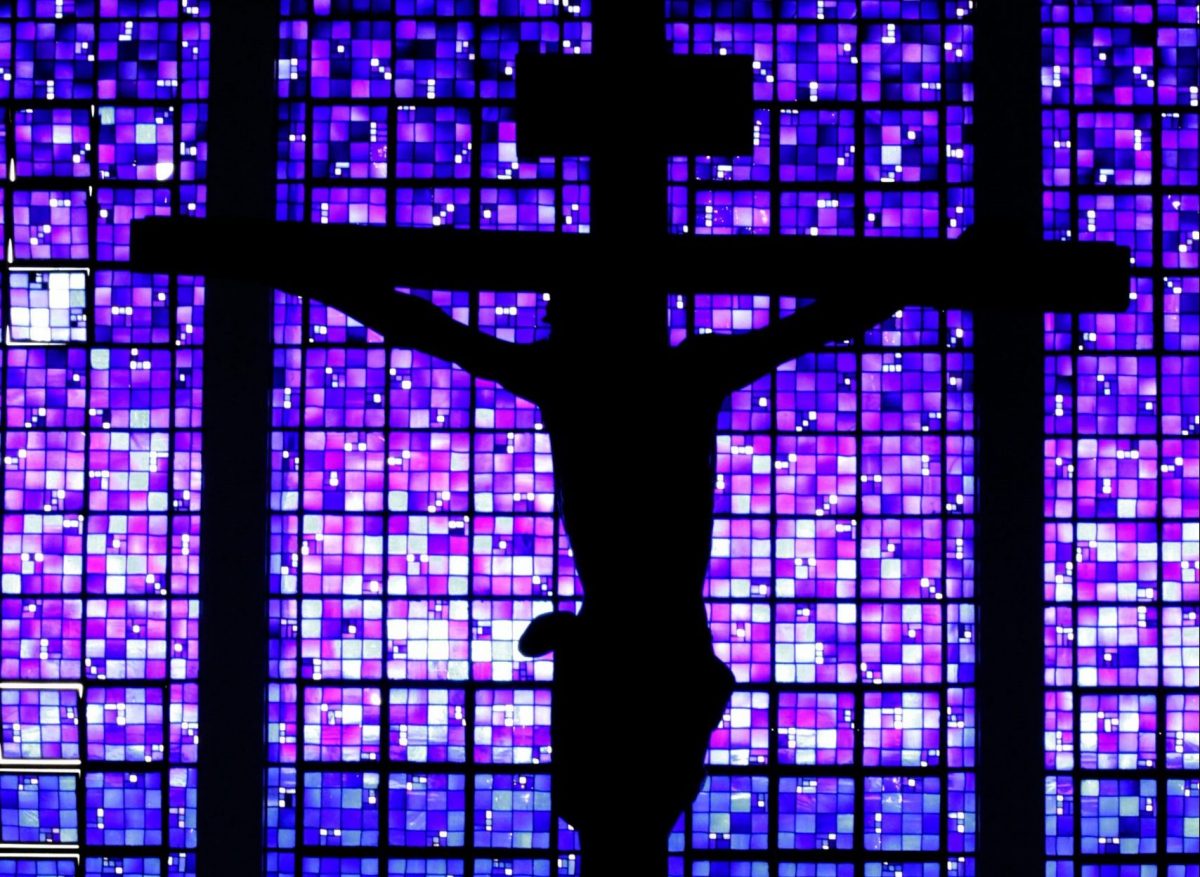
From the seven depictions of Christ’s crucifixion story, to the mother of Jesus holding her infant son as she stretched out her arms to the weeping worshipper, the entire chapel was an invitation to see our sufferings – our very humanity – in light of the fact that neither Jesus nor Mary were exempt from suffering, pain, or death.

As Christians, we have a great deal to say about the meaning of suffering.
The Holy Spirit is present, active, and involved with all of creation in a life-giving way.

We live in a world where people need to meet Jesus. I guess that’s always been the case. There’s never been a time, in human history, where people have not needed that relationship with God. God created us for relationship with him. Everything in our life flows from that relationship. Here’s the thing. Once we have entered into relationship with
Christ’s self-giving love overcomes human hatred while at the same time creating space within Christ to receive estranged humanity.

A few days ago I visited a mercy ministry in another town as part of our preparation and planning for building a capacity-building ministry in our community. Talking with the director of the ministry I visited, I was reminded again of just how many beautiful souls there are in the world. I keep running into people who care deeply about
For 400 years, through slavery, lynching, Jim Crow laws, the Civil Rights movement, and institutionalized racism, people of color (especially within the Black community) have been fighting and crying out for justice and equality. Justice is sought because they have been oppressed and abused for centuries; equality, because that is the underlying cause of their unjust treatment: they have been

God’s compassion needs to be experienced and expressed: experienced by us as his people and expressed to the people around us.
In my previous article, I talked about some ways the newly distanced church can think about worship, discipleship, and outreach in the still-developing COVID-19 crisis. Ministry in the Newly Distanced Church Part 1. In this article, I offer some practical steps to consider for discipleship and outreach as churches reopen and move into a new way of doing church. Don’t
Abide in me as I abide in you. Just as the branch cannot bear fruit by itself unless it abides in the vine, neither can you unless you abide in me. I am the vine, you are the branches. Those who abide in me and I in them bear much fruit, because apart from me you can do nothing. John 15:4-5
Events in the United States often impact the rest of the world. Though World Methodist Evangelism is a global organization working through a network of 80 million Methodist Wesleyans in over 130 countries; I feel it is important to speak out on the current unrest unfolding in the US. I have been trying to mentally and emotionally process what has
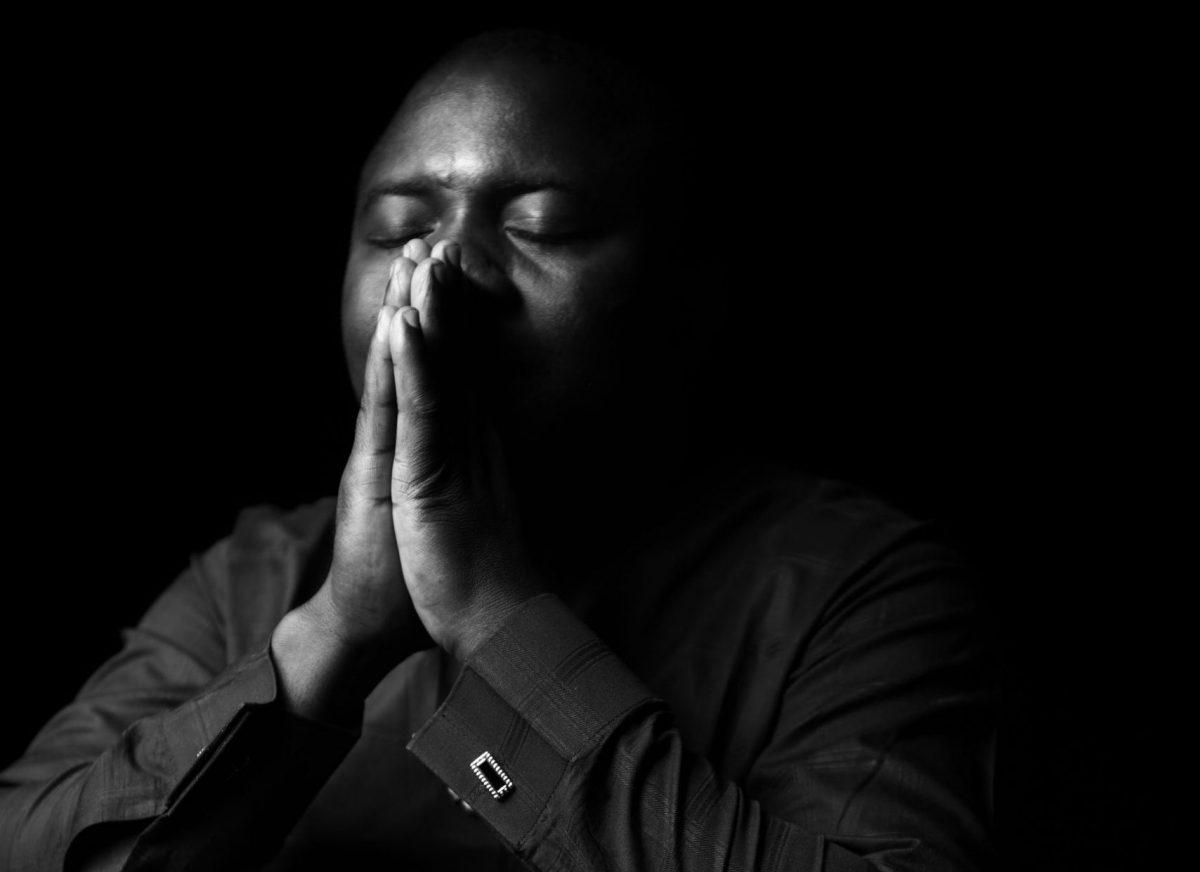
There is a reckoning unfolding that we would avoid if we could – unless we are one of the people who have been crying out for it, praying for it, watching the horizon for it. But the people who pray for revival and the people who pray for reckoning aren’t always the same. In the open air of summer camp

A Note From The Editor: Recently I asked clergy members from several Wesleyan Methodist denominations in the United States about what it’s been like coping with a pandemic. Ministers in other parts of the world have experienced these dynamics before, and pastors a hundred years ago went through this in America. For many church leaders in the U.S., these have

Pastors and denominational leaders face tough decisions right now. The Christian faith is inherently embodied; we gather, we meet, we celebrate the Incarnation – the Word Made Flesh. For millenia, we’ve celebrated the Eucharist, finding Christ’s presence in the tangible – wine and bread, a burning grace. The Christian faith is also inherently self-sacrificial; we mend, we serve, we search

It was after Easter. The disciples were told to wait for Jesus in Galilee. But did they have to wait by sitting and doing nothing? “I’m going fishing,” said Peter. And why not? It made perfect sense. Fishing was their livelihood. They may as well make some money while waiting. So they all piled into a boat and shoved off.

If you are you struggling to make decisions about policy and how to communicate those decisions to your church during this chaotic time, you are not alone. In this new normal of remote church, much consumes our day-to-day activities. It is difficult to plan and communicate future steps.