What Do You Want for Christmas? by Kim Reisman
Advent is about an intensity of desire. It’s about deeply desiring the presence of God in our lives and our world.

Advent is about an intensity of desire. It’s about deeply desiring the presence of God in our lives and our world.

“Therefore keep watch, because you do not know on what day your Lord will come. But understand this: If the owner of the house had known at what time of night the thief was coming, he would have kept watch and would not have let his house be broken into. So you also must be ready, because the Son of
In a world filled with brokenness and estrangement, poverty, violence and death, we need Godbearers.
From the beginning, God has desired a relationship of love and wholeness with something other than God.
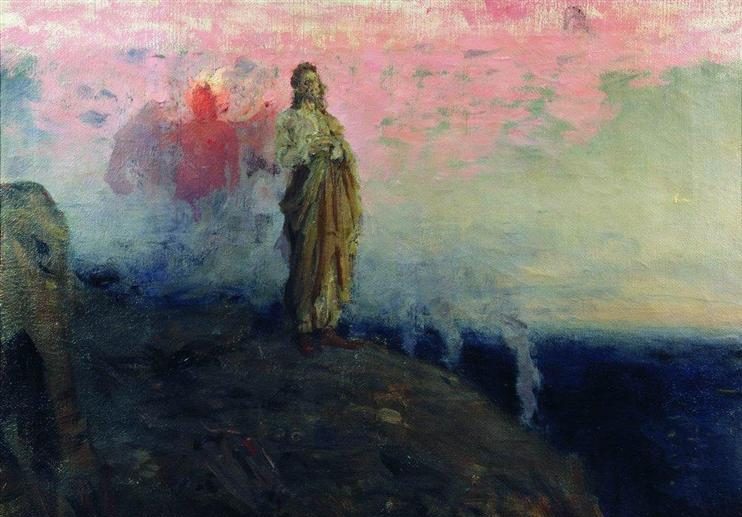
One of my great hesitancies when I first entered the ministry concerned leadership. I was afraid to lead. I had too many doubts. What if I choose wrong? What if I lead my people poorly? What if I make a mistake and it all falls apart? As I was going through ordination in the United Methodist Church, my mentor suggested I read In the Name of

As unpopular as it may seem the reality of Advent is that it doesn’t need to occur in the best of circumstances.
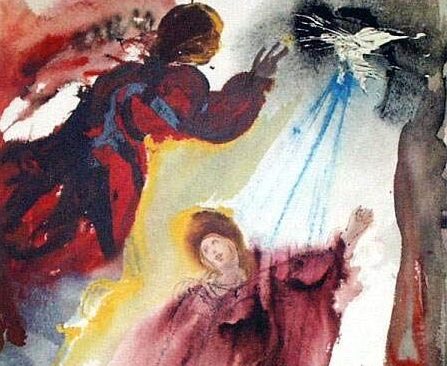
Thank God for his presence. Express your feelings about following God despite your fear.
As Christ followers, in all times and seasons, but especially during Advent and Christmas, we declare to the world that we’ve seen that great light.

Sometimes there are questions that simply do not have clear solutions. As my husband and I neared the end of our first ministry assignment, a woman said to me, “I think if you hadn’t have been in your position of leadership, we could have been good friends.” Even in my late twenties, I didn’t completely comprehend what she was saying. It stung,
That is the surprise of the Beatitudes—what appears to be a source of unhappiness, turns out to be a source of joy and blessedness.
And so, among other things I’m giving up for Lent, I’m trying to give up the search to find some other hidden meaning. Perhaps I won’t get anything out of it. We don’t enter into the Lenten season practicing disciplines in order to achieve a particular return. It’s not an investment. Fasting and praying are not disciplines that we engage

I’m supposed to be sitting here writing something brilliant and thought-provoking. You (my audience) are well-versed in theology, social ethics, and various philosophies. You have high expectations, or you wouldn’t be here. Don’t get me wrong, I enjoy a good theological debate and I am passionate about the current social crises, but right now, I’m just really loving the font
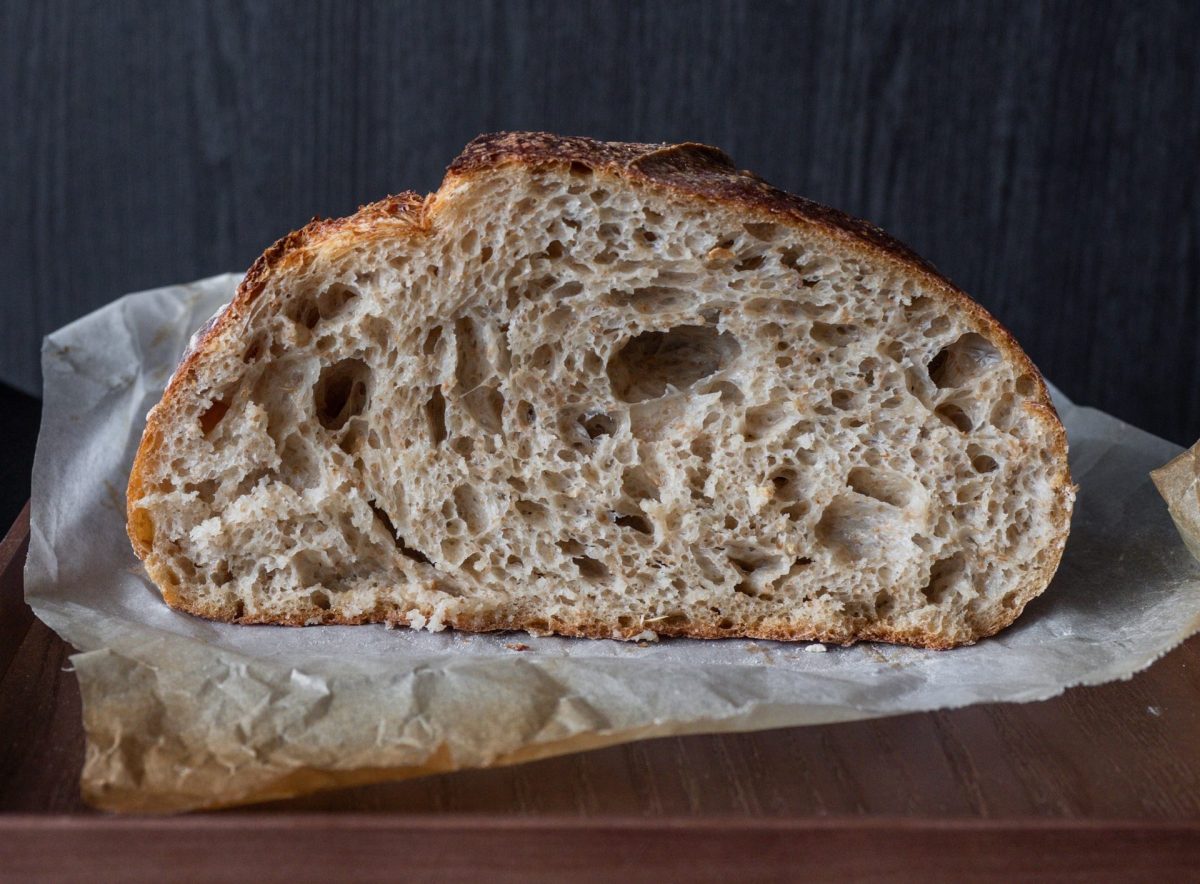
“What’s for dinner?” It might be the most dreaded daily question an adult can be asked. If only there was a simple answer that did not hinge on a barrage of underlying questions: Who’s making dinner? What time are we eating? How many for dinner? Will there be any dislikes or allergies represented at the table? What’s in the cupboard?
Every morning I start off with the Morning Office. It’s an online version of the morning and evening prayer service found in the Book of Common Prayer. The service has scripture readings, prayers, and other useful tools for focusing on God. Each day’s reading starts off with a hymn. And while I usually focus on one of the scripture readings,

On a cold winter’s evening, whether to toast marshmallows, chat with friends or curl up and read a book, many of us might enjoy the opportunity to cozy up to a brightly burning fire in the hearth. But how many of us depend upon a fireplace—excepting in dire emergencies—to heat up our homes? The reality is, despite whatever scouting skills
Unless we hold God’s will as Christ held his Father’s, our gifts corrupt. They grow into the most sinister of idols, more powerful than the Baals.
It may just be that we don’t make connections between our experience of being in relationship with Jesus Christ and the experience of the rest of the world through massive efforts and structures. It may just be that it’s about the intimacy of crossing a footbridge to meet another in the middle.
We are called to be “strong but gentle,” called to “strive to make the right prevail,” through the light of God who is with us, who does not abandon us midday, whose purpose will not fail or crumble, who trains us to serve “a higher will.”

For my shield this day A mighty power: The Holy Trinity! Affirming threeness, Confessing oneness, In the making of all Through love… The breastplate of St. Patrick features this refrain at both the beginning and the end of its poem. St. Patrick’s invocation of the Trinitarian Godhead—Father, Son and Holy Spirit—is emblematic of Celtic Christianity. St. Patrick may be famously
Politicians have interests from which Christians may be joyously free. Our faith family is not contained by state lines or party lines, by skin color or culture, by language or ethnicity.
We are free to love each other. And we are free to love others.
What a gift.