A Call To Holy Compassion by Maxie Dunnam
We must be honest about our failures and sins. None of us lives up to the standards our faith demands. But this doesn’t mean we cease wrestling with and proclaiming the Word.


It is true that most of us spend our lives waiting to live. We see today as such a mundane time, so insignificant, so unexciting. But once we change our focus and begin to encounter the events of today with vitality and purpose, all sorts of changes take place. This is especially true in our personal relationships. The people we

I don’t know when it actually began. Maybe in that little church in rural Mississippi when a country preacher sounded a note that called for a response from a fourteen-year-old boy in the congregation. The package was too neatly wrapped and tied then. The walk down the aisle, the public profession of faith, and the baptism did not bring the

Growth is not accidental – it is intentional, purposeful. There are leaps which we make unconsciously, and great strides in development often come as by-products. Primarily, however, we make the decision to grow. This is not to say that we manufacture growth. We don’t, no more than a doctor manufactures healing. We simply become persons open to the possibility and

Early in my ministry, I served as pastor of three small country churches. Members of those congregations deserve “praise and thanksgiving.” Their pastor was also a college student. Their grace abounded as I wrestled a lot with time problems. I sometimes think that arrangement of pastoral leadership should not be allowed. But when I reflect, I would not trade my
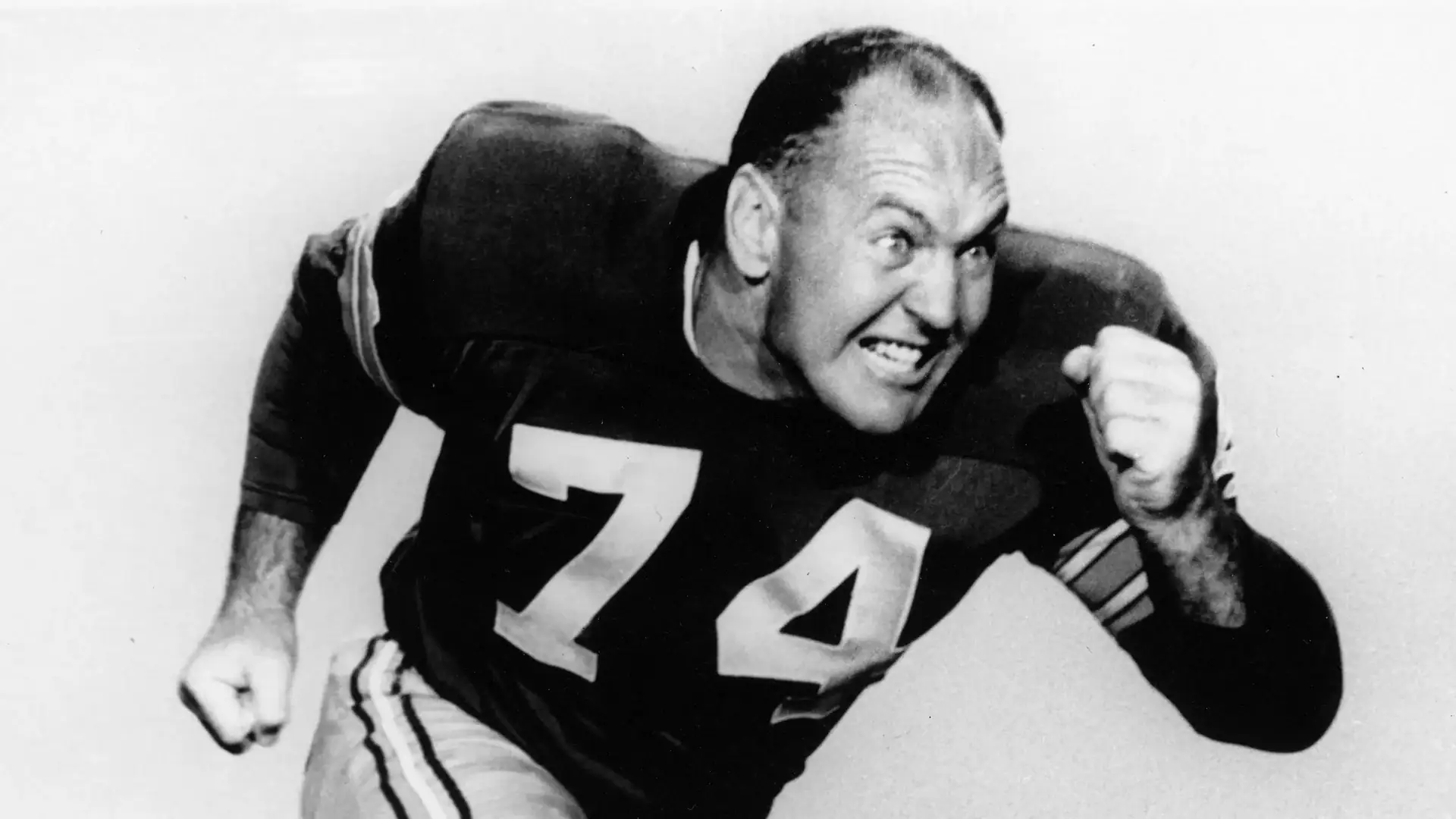
Henry Jordan was a great all-pro defensive tackle who played with the Green Bay Packers back in the glory days of Vince Lombardi. Henry was as good with words as he was at sacking opposing quarterbacks. That made him a favorite with sports writers. One of his most widely quoted statements came when someone asked, “Does Mr. Lombardi show any
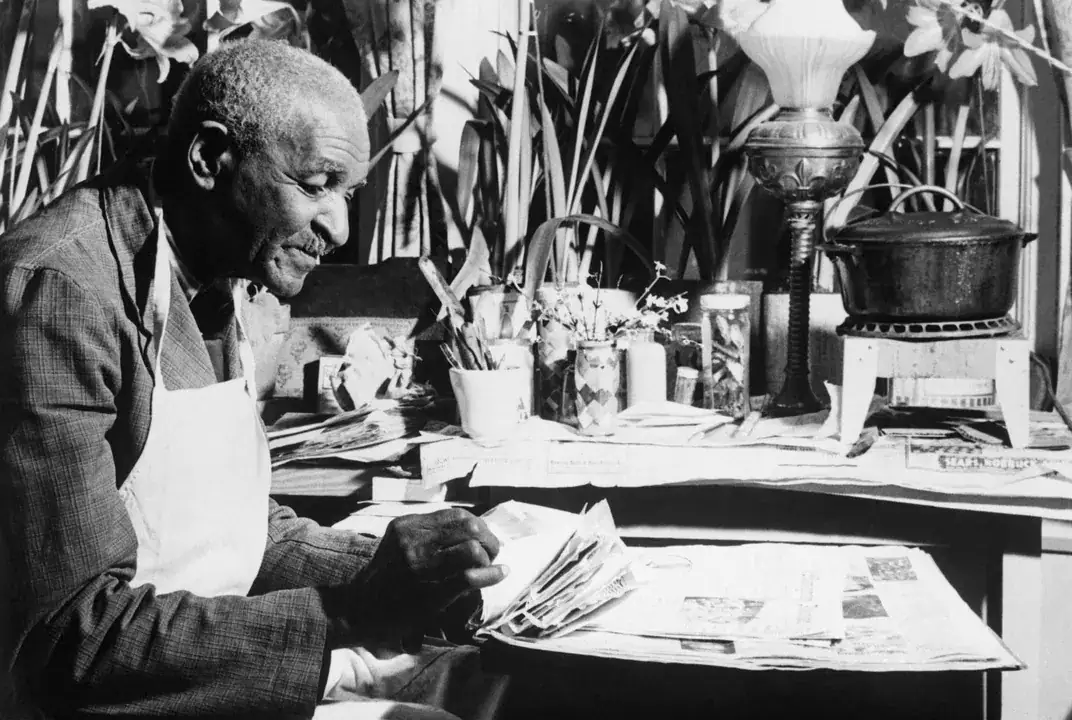
George Washington Carver was born in a slave’s shack on a cotton farm. You know his story. He became a member of the Royal Academy, distinguished himself in science and helped discover countless uses of the peanut and sweet potato which helped salvage the economy of cotton-growing areas with depleted soil. Dr. Carver was not only a distinguished scientist, a

Two more characteristics of the saints I want us to explore as we wrestle with the question, “Will I finish well?” Closely akin to the issue of obedience is a third characteristic of the saints: they didn’t seek ecstasy, but surrender to the will of the Lord. The Meaning of Surrender in Christian Leadership In her strange and beautiful book
If we want to finish well in our ministry, we do well to look to those who have walked before us. In my studies and conversations I have noticed several I wish to elaborate for these articles. First, they practiced discipline, at the heart of which was prayer. Sister Marie Bonaventura was living a relaxed life as a nun in

It is not enough to recognize that the fruit and progress that result from our leadership are based on strong character. We must practice the disciplines that build that character and make us the prophet/priest God calls us to be. Why Character Matters in Christian Leadership Some of you will remember Frank Harrington. He was the long-time minister of Peachtree

Christians talk about HEAVEN as the place where they will live for eternity. ETERNAL LIFE is the life that is a gift of God which comes to those who accept Christ as God’s gift of salvation. Paul uses the phrase eternal life to describe the goal of the process of salvation. We normally think of eternal life as what happens