Tragedy, Community, and Action by Kim Reisman
The Wesleyan Methodist tradition is one that puts actions with intentions.

When we are teachable, we come with simple, trusting hearts, ready to gain insight from another.
We sing and play instruments, we paint and sketch, we enact and perform, and all of these are triumphant expressions of the truth of our faith.
Metanoia will be a place where we can hear God’s dream, see it with our own eyes, touch it and be touched by it – and then go declare it to all the world. I hope you’ll join me!
We must walk with people for a long time if they are to come into a life-transforming relationship with Jesus Christ.
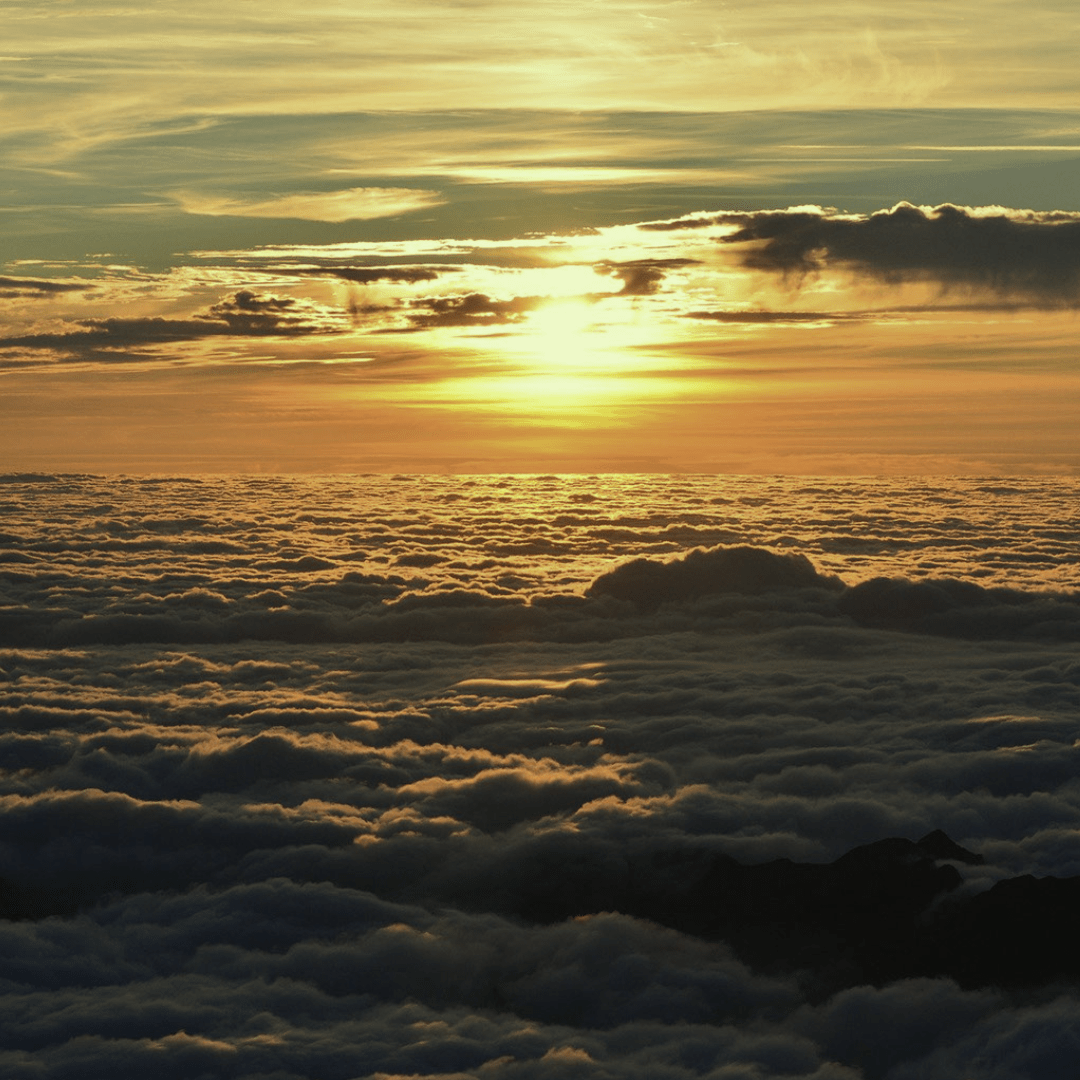
The heavens declare the glory of God.
We share the grace of God through word, deed, and sign, whether anybody notices or not.
I will do whatever it takes so that God can work in me and through me.
Embracing the pain of the crucifixion in order to experience the power of the resurrection involves right living, not easy living.
Jesus was full of passion, which makes following in the Jesus way a passionate endeavor.
We are called to be “strong but gentle,” called to “strive to make the right prevail,” through the light of God who is with us, who does not abandon us midday, whose purpose will not fail or crumble, who trains us to serve “a higher will.”
Every month, on the day the gate opens, the Methodist Church is present – on both sides of the wall. There is conversation. There is prayer.
And there is Holy Communion.
And everything that is hurt, everything
That seemed to us dark, harsh, shameful,
Maimed, ugly, irreparably damaged
Is in Him transformed.
The question remains. Do we really know the High God? How would our lives change if we really understood the fact that the God made real in Jesus Christ – the God of the world – loves each tribe and nation equally? How would that understanding change how we looked at other tribes and clans – even in our own
Now that we’ve celebrated God’s decision to put on flesh and bone and move into the neighborhood, we’re left with the question, what do we do now?
The word became flesh and lived among us.
The King of all creation was born as a lowly, disregarded nobody-baby. In part, that was because Mary and Joseph were nobodies. Joseph was a craftsman from the small town of Nazareth in Galilee. Mary was a young woman with an apparently questionable character. Still, they were the nobodies God wanted to use, and that was a surprise.
God creates. God redeems. Christian faith is deepened and enriched when we get the order right. This is especially true in the arena of evangelism, where our focus is often on individuals and our fervent hope that they might come into relationship with Jesus Christ. There is no doubt this is an extremely important focus. Yet something significant is lost
Maybe as we proclaim the good news that will bring great joy to all people, we ought also to recall the words of our Prince of Peace, who told us that God blesses peacemakers. Maybe in this season of peace and beyond, we need to ask how might we become more active in our peacemaking?
Word and deed come together, as intimately entwined as breathing in and breathing out. Deciding which is more important depends on which you did last.
Get articles delivered directly to your inbox as soon as they come out.