The Beautiful Gate by Kim Reisman
Why did they leave him at the gate? Why not take him all the way in? Did they not understand that he had spiritual needs as well?

Why did they leave him at the gate? Why not take him all the way in? Did they not understand that he had spiritual needs as well?
Wesley leads us to the heart of Lent and to the heart of every day of seeking the fullness of life in Christ: such a longing to please our Lord that we want the Holy Spirit to check us at the first sense of pride, wrong desire, or the wandering will — anything, that is, that might “quench the kindling

“The mission of the Church is to make disciples of Jesus Christ for the transformation of the world.” The Mission Statement of the United Methodist Church. I am an ordained United Methodist clergy and I have a confession to make. I have a love-hate relationship with the United Methodist mission statement. As a Wesleyan, I love it because it is
On Ash Wednesday, we recall through word and ritual, and even rejoice in, the fact that the Lord our God can bring new life out of the ashes of our brokenness.
A celebration of Easter without a prior descent into the grave is dishonest and naïve, just as observing Lent without the uncompromising proclamation of the Resurrection is hopeless.

Compassion comes from a deliberate identification with another person until we see things as he sees them, and feel things as she feels them. That’s the place to which God seeks to bring all of us.

Around the time the Methodist revival in England completed its first decade, John Wesley penned an essay called A Plain Account of the People Called Methodists. His aim is to explain the Methodist movement to the larger world, which he does by describing the various internal components of the revival that had developed during Methodism’s first ten years. One of

I’m a Yankee. Specifically, I was born in central Michigan, where the air is scented with pine needles and damp sand. I live in northeastern Texas – a region known for its own Piney Woods – but a world away from the cornfields of the Midwest, where I grew up. It may seem like a small question, but how does

I frequently lead workshops on prayer, which I always find kind of odd because I’ve never felt myself to be much of an expert on that kind of thing. Prayer is hard work for me; it’s meaningful, but it’s hard. During my workshops I always focus at some point on intercessory prayer – prayer for needs beyond our own –
Charles Wesley wrote songs for sinners. For those who were lost in sin, his hymns promised salvation, and for those who had come to Christ they were hymns that celebrated the day when it happened… These hymns are as true as ever and it is only our spiritual and doctrinal naivete that keeps us from seeing it.

Acts 17:16-34 contains Paul’s message to the Athenians at the Areopagus. Athens was considered the intellectual capital of the world. It was home to Socrates, Plato and Aristotle. Paul came to Athens during his second mission trip, seeking refuge. Earlier, he had been run out of Thessalonica by the synagogue crowd. He found a more congenial reception in Beroea, until
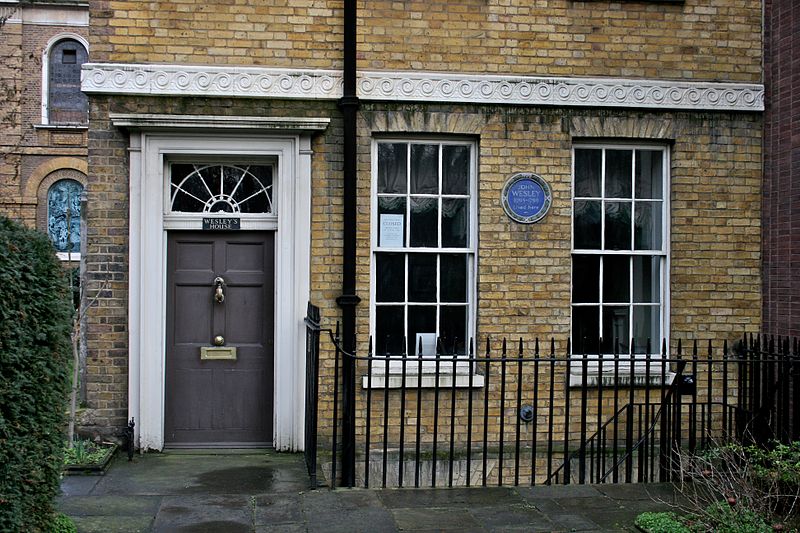
The good news is that we already have a basic blueprint for how to help people embrace faith in Jesus and become his apprentices. Methodist discipline, or the method that gave Methodism its name, was focused on helping people become deeply committed Christians, to become mature followers of Jesus Christ … The biggest challenge contemporary Wesleyans may face is our
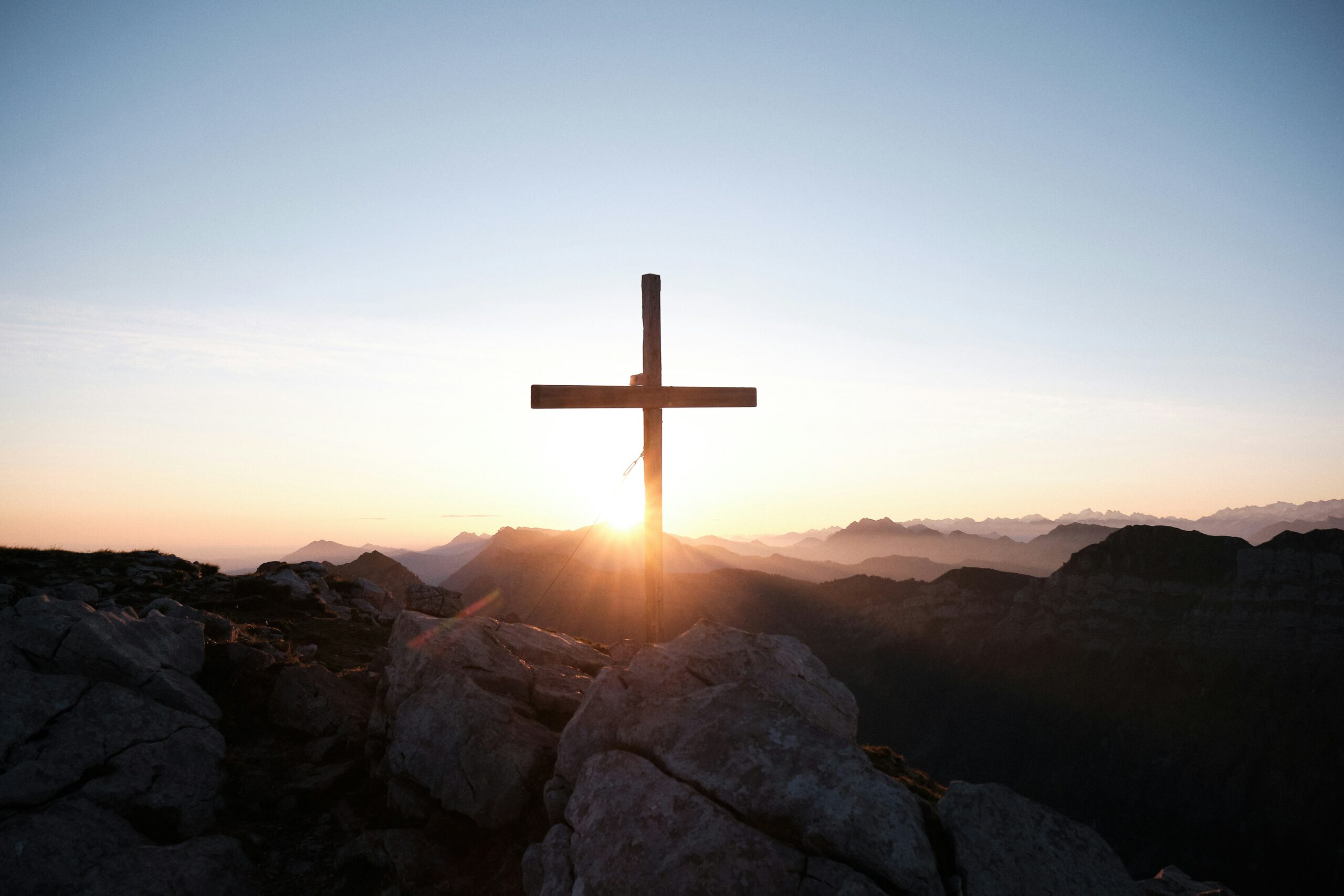
This is a portion of the sermon preached on December 27, 2013, at the funeral service for Bishop McAlilly’s nephew Gale Stauffer, who was killed in the line of duty December 23, serving on the Police Force of the city of Tupelo, Mississippi. … little did we know that on this day of days, we would find ourselves moving so

Prevenient grace does not depend on any power or merit in man; no, not in any degree, neither in whole, nor in part. It does not in any wise depend either on the good works or righteousness of the receiver; not on anything he has done or anything he is. It does not depend on his endeavors. It does not

I received an e-mail from a pastor in Tennessee a few days ago posing this question: A church member asked me to recommend a biography on John Wesley, and I didn’t know what to suggest. Wondering if you could suggest something? That’s not an infrequent request to get for a seminary professor who teaches Methodist history. When I get an

I was thirty-two years old when a woman took my advice on how to die. Sitting in her low living room banked with windows that overlooked butterfly-laden bushes, I watched her shallow breaths. She had lost strength and energy: her frame seemed diminished, as if her soul were clinging to her body by mere tendrils. While disease sapped her vitality,
The weight of Christian worship history testifies that the Sunday service is primarily a gathering of, and for, the faithful. This is not to say that we shouldn’t consider how our worship services can best speak in the language of our local contexts. It isn’t to say that we shouldn’t consider if our gatherings are marked with radical hospitality and
Wesley knew how to be abased and how to abound. He intended, as did his brother John, to live all of life under God’s hand, whatever the circumstances of any given day.
Though it may seem to be the most difficult to define of the three, Wesley insists on including spirit with doctrine and discipline because right doctrine (belief) and right discipline (practice) are not enough in themselves.

There is a phrase in Wesleyan theology that holds the key to understanding most everything about present salvation. The phrase is “holiness of heart and life.” This is one of those terms that seems simple at first glance and yet is packed with meaning on multiple levels. It’s also a term worth exploring, and I want to explore it here.

“Nehemiah is faced with the news that the walls and gates of Jerusalem have been destroyed, leaving the city’s inhabitants vulnerable. What are some things in your life that need to be rebuilt? Are you ready to ask God to show you something that is in need of repair?”
A crucial source of guidance for WME comes from our Regional Secretaries who are located across Africa, Asia, Eurasia, Europe, North America, Pacifica, and South America. These global leaders help us identify the challenges facing the church in their part of the world. We recently gathered the WME Regional Secretaries in Seoul, South Korea to create strategies for WME’s ongoing

“I’ve discovered that there is a tremendous difference between easiness and simplicity.”

“More than just building a tower, the people of Babel wanted to build a reputation for themselves. They wanted others to recognize their intelligence and skill and to admire them. Abraham, on the other hand, didn’t seem that interested in making a name for himself. He was happy to follow God, to obey God’s calling, and to entrust his reputation

God fulfills his promises. We know this. But we often struggle to see how. Because the promises God makes and the promises we would like aren’t always the same. His wisdom is not ours.

“God’s strength becomes available to us when we are rooted and established in his love. In what other things are you tempted to root yourself? What in your life makes you feel secure and established?”
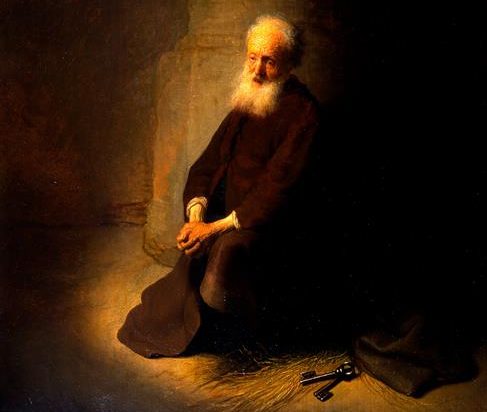
“This is the second difficulty of praying ‘Thy will be done’ – that God’s will for one moment will become our idol in the next.”
Some years ago, I learned that a name is a powerful thing. For example, while working to complete my undergraduate degree in education, on various occasions my professor would observe us as we taught lessons in classrooms at nearby schools as we prepared for the time when we would have our own classrooms. On one particular occasion, I was teaching

Where will you go this week that you will be grateful to have God’s presence with you? What difference will it make to have God with you in that place or situation? When you are discouraged or terrified, how easy is it to make the choice to be strong and courageous?
There is safety in being God-conscious at all times. Before decisions are made, seek the mind of God.

And the soldiers—the protectors of civil order— decide to bury the truth. They take their bribe and the promise of protection from Pilate’s wrath, and they toe the party line. They protect the power of a broken world.But the women—the ones with little influence, the ones who are least likely to be believed—they run from the empty tomb with great

And in our gospel passage, Mary of course – like all of us on this side of death – is not yet fully awake. She makes first contact with the resurrected Jesus, and it’s about as awkward as Peter embarrassing himself by trying to pitch a tent on Mount Tabor. Mary’s problem is that she thinks Jesus is dead, and
In my leadership role with World Methodist Evangelism, I frequently preach and teach in international environments, depending heavily on the skills of translators and interpreters. These are gifted people! I recall teaching on evangelism in Vladivostok, Russia a few years ago. I was trying to make an important point, which in English is not difficult to understand. It’s the idea

At times it seems that people who come from Wesleyan Methodist backgrounds have an “arm’s length” relationship with the idea of providence. At its most basic level, providence is the activity of God working out God’s redemptive plans for his creation. It’s God working out a rescue plan for creation, and the idea that God is working behind the scenes
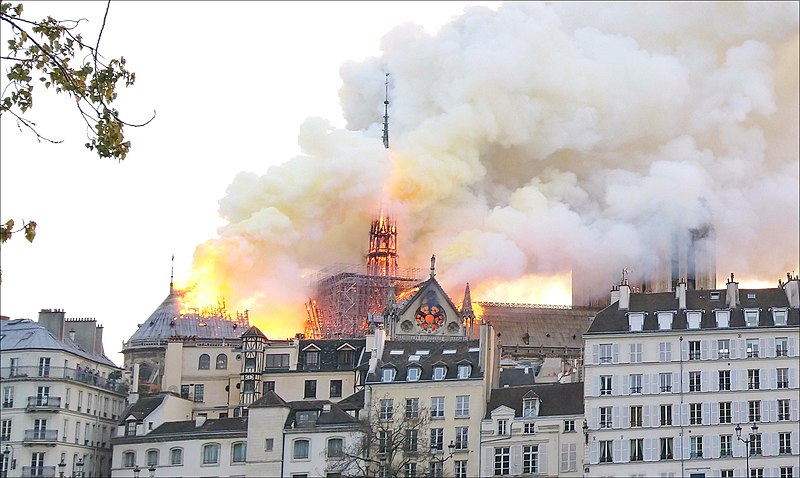
A wise art teacher used to say, “Make art that won’t be burnt up.” He meant, make art that will outlast the last judgment. Make art that will count as one of the “glories of the nations” brought into the New Jerusalem (Rev. 21:26). Beauty attracts us, even when our reasons are unconvinced.

As we practice the disciplines of submission and serving, we are freed from the terrible burden of always needing to get our own way, and we find the freedom to value and serve others.

I wondered how hungry the man was to steal an egg salad sandwich from a convenience store. I also wondered how he would have reacted to the customer’s kindness. He left without knowing his debt was paid. He was free to go. The food belonged to him.

There is a moment you stand on the brink, or the brink stands on you. The inexorable draw pulls you in, like gravity, like the current; at the moment you must fight to get away or be drawn in forever, you are the most tempted to pause with quickened breath as you weigh whether the knowledge of what lies on
With the coming of spring and the anticipation of summer, many churches in the United States are preparing for the Short-Term Mission (STM) “season.” Churches frequently use a domestic or international STM trip as a standard part of regular programming for youth and adults of all ages. STM has been billed as a way for American churches to spread the

Do you like to tell stories? The gospel of Mark tells us Jesus was “never without a story when he spoke.” If the listener’s heart was like good soil, (if they could not only hear but also truly listen) the seeds of those stories would go down deep inside, be protected, nourished, then sprout roots, dig in, hold on, and