
The King of all creation was born as a lowly, disregarded nobody-baby. In part, that was because Mary and Joseph were nobodies. Joseph was a craftsman from the small town of Nazareth in Galilee. Mary was a young woman with an apparently questionable character. Still, they were the nobodies God wanted to use, and that was a surprise.
God creates. God redeems. Christian faith is deepened and enriched when we get the order right. This is especially true in the arena of evangelism, where our focus is often on individuals and our fervent hope that they might come into relationship with Jesus Christ. There is no doubt this is an extremely important focus. Yet something significant is lost

“The will to win is not nearly as important as the will to prepare to win.” – Everyone from Vince Lombardi to Bear Bryant to Bobby Knight is cited as the source of this quote. The wisdom found in it has outlasted the origin. Everyone wants to win. It doesn’t matter how you define winning – career success, relationship goals met,
Maybe as we proclaim the good news that will bring great joy to all people, we ought also to recall the words of our Prince of Peace, who told us that God blesses peacemakers. Maybe in this season of peace and beyond, we need to ask how might we become more active in our peacemaking?
Word and deed come together, as intimately entwined as breathing in and breathing out. Deciding which is more important depends on which you did last.

I have a delicious no-fail sourdough bread recipe! It involves a three-step process spread over one and a half days. The key to the recipe is to give the bread dough time to “yeast” – Sue Monk Kidd’s word for allowing bread to rise. Kidd tells of making the bread with the assistance of her five year old daughter, Ann.
Waiting is hard. Many of us are tempted either to wait passively, like the foolish bridesmaids, or to take over and attempt to save ourselves by our own effort. Advent challenges both our complacency and our self-sufficiency.
Into this climate of fear and apprehension, Christmas enters,
Streaming lights of joy, ringing bells of hope
And singing carols of forgiveness high up in the bright air.
The world is encouraged to come away from rancor,
Come the way of friendship.
So, while we can and should sing of Christ’s return throughout the year, Advent presents a key opportunity to declare with clarity this crucial doctrine in our faith. And as Wesleyans we have a gem in Charles’ hymn, “Lo! He Comes With Clouds, Descending.”
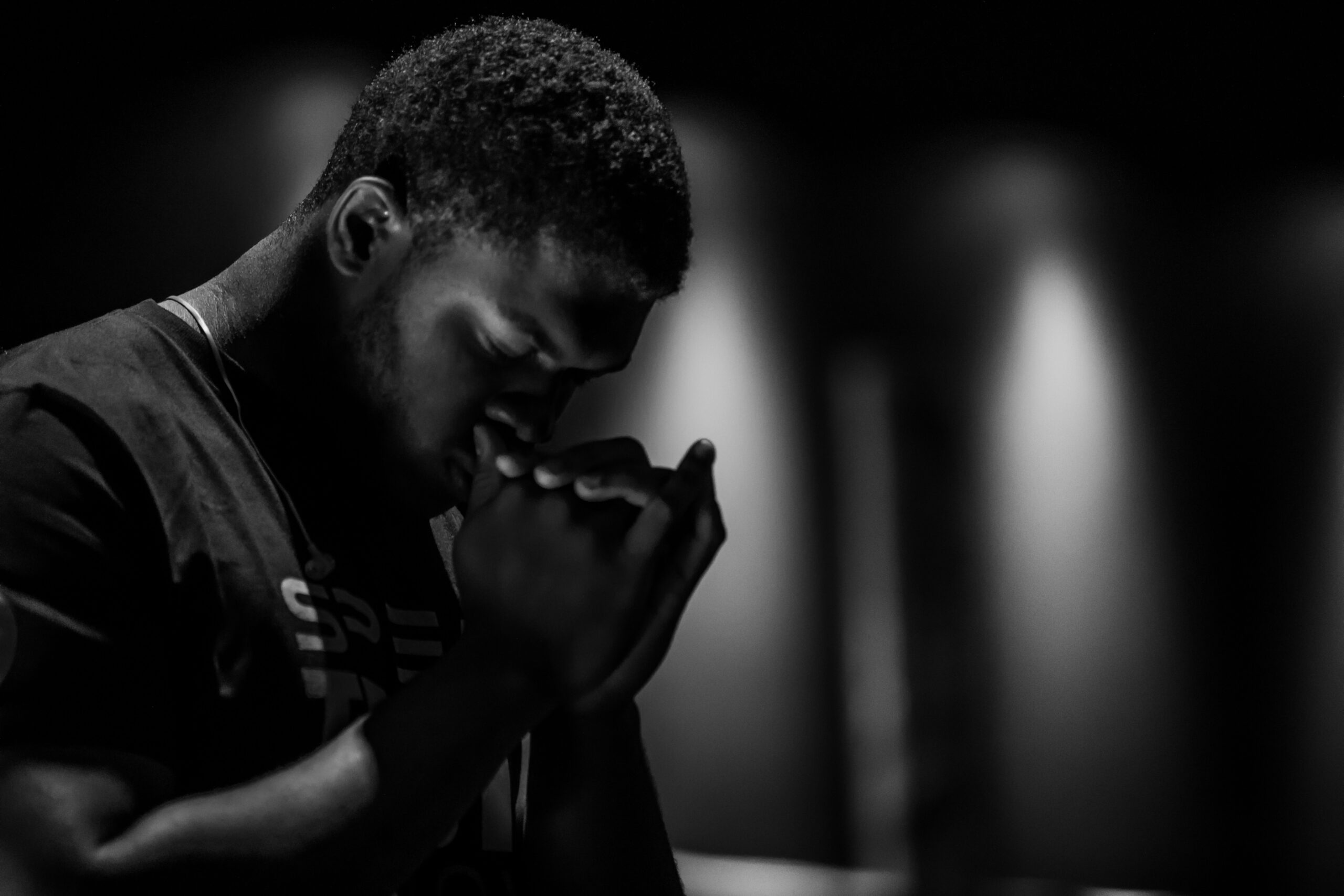
What is the difference between praying and living a life of prayer? Practically everyone prays now and then — even atheists, when they end up in foxholes. Offering an occasional prayer is much different than living a life of prayer, though. Biblical teaching suggests that a fully formed faith will express itself in a prayerful life. “Rejoice always,” the Apostle
And when you’re on death row, you’re not really concerned with trivial pursuits, are you? Paul wasn’t dwelling on trivialities; he was dialed into eternities. That’s why it was particularly devastating for Demas to desert him. Because look at what Demas did: he loved this present world – its comfort, safety, and reputation – and in so doing ignored the
Our story can be one of experiencing God’s transforming presence in our lives as we recognize the depths of our need for Christ, and Jesus’s ability and willingness to meet that great need. We can move forward with confidence, knowing that the Lord will sustain the church one way or another. And as we move into the future, we will
Well, the Christian doctrine of the afterlife is simply integral to Christian doctrine, period, and indeed, the faith as a whole makes no sense if the life to come is ignored or trivialized. The heart of the Christian faith is the incarnation, death and resurrection of Christ, which provides salvation and redemption for God’s whole fallen creation.
I believe
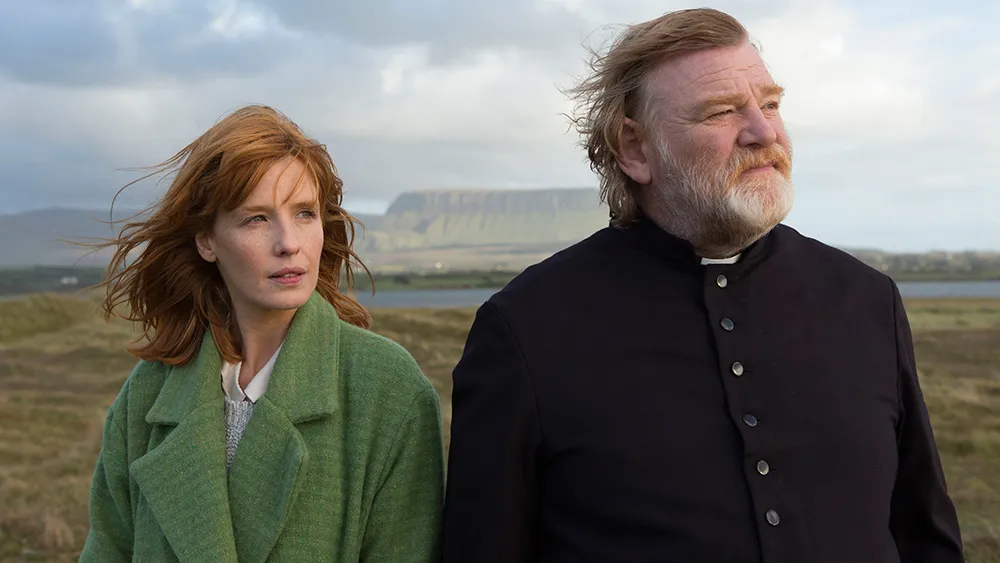
Note from the Editor: This film is rated “R” and therefore is not advised for all audiences. You are encouraged to use your own discernment in your viewing choices. “Calvary” is not for the faint of heart. This movie is audaciously candid and ruthlessly palpable. Replete with memorable dialogues and unforgettable characters, its core message is both timeless and timely.
The bells that tolled, according to John Donne, were a sign to those who heard that we are all mortal and meet the same end known as death; that when one dies a part of all of us dies. The stone that rolled, according to Matthew, was a sign to those who witness it that the end known as death

“Saul, Saul, why do you persecute me?” On the road, an interesting question is posed. First of all, consider what we know of Saul in the early portion of the book of Acts. He watched the coats of the witnesses who approved the men creating the first Christian martyr, stoning Stephen. Later Saul “breathes murderous threats” against the followers of
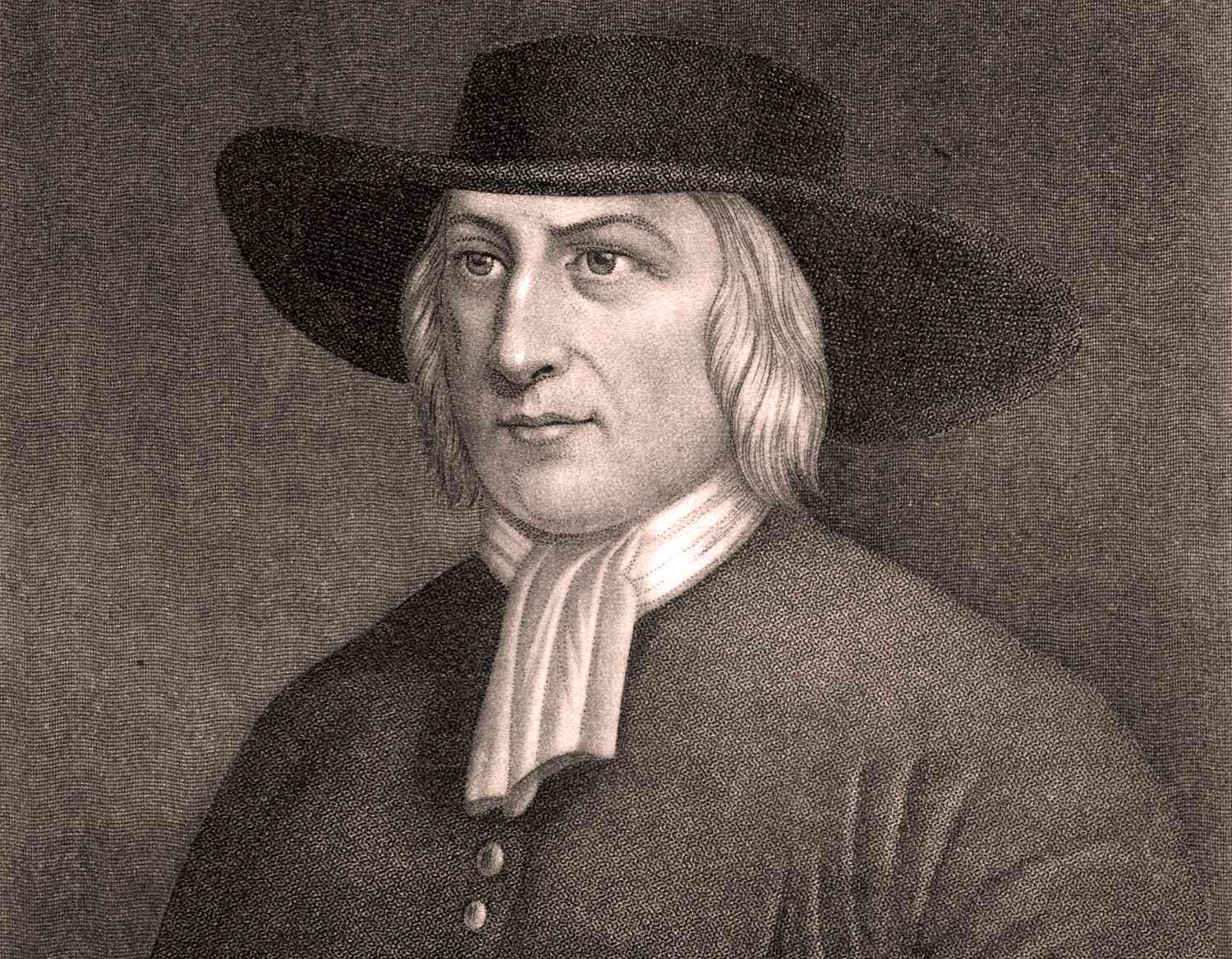
The “clearness committee” was established by Quakers. Initially, focus persons were seeking clearness about marriage. Invited friends would gather to offer communal spiritual guidance. Eventually, reasons for calling a clearness committee were expanded. I was told by a friend that the Quaker clearness committee is currently used over a variety of subjects. When considering prayerful discernment, reflect on this model

The next day Jesus decided to go to Galilee. He found Philip and said to him, “Follow me.” Now Philip was from Bethsaida, the city of Andrew and Peter. Philip found Nathanael and said to him, “We have found him about whom Moses in the law and also the prophets wrote, Jesus son of Joseph from Nazareth.” Nathanael said to him, “Can anything
Christ indwells us Christians; the Holy Spirit is his abiding presence in our lives. To the degree that we cultivate an awareness of and are responsive to his Spirit, Christ will guide us.