
The King of all creation was born as a lowly, disregarded nobody-baby. In part, that was because Mary and Joseph were nobodies. Joseph was a craftsman from the small town of Nazareth in Galilee. Mary was a young woman with an apparently questionable character. Still, they were the nobodies God wanted to use, and that was a surprise.
God creates. God redeems. Christian faith is deepened and enriched when we get the order right. This is especially true in the arena of evangelism, where our focus is often on individuals and our fervent hope that they might come into relationship with Jesus Christ. There is no doubt this is an extremely important focus. Yet something significant is lost

“The will to win is not nearly as important as the will to prepare to win.” – Everyone from Vince Lombardi to Bear Bryant to Bobby Knight is cited as the source of this quote. The wisdom found in it has outlasted the origin. Everyone wants to win. It doesn’t matter how you define winning – career success, relationship goals met,
Maybe as we proclaim the good news that will bring great joy to all people, we ought also to recall the words of our Prince of Peace, who told us that God blesses peacemakers. Maybe in this season of peace and beyond, we need to ask how might we become more active in our peacemaking?
Word and deed come together, as intimately entwined as breathing in and breathing out. Deciding which is more important depends on which you did last.

I have a delicious no-fail sourdough bread recipe! It involves a three-step process spread over one and a half days. The key to the recipe is to give the bread dough time to “yeast” – Sue Monk Kidd’s word for allowing bread to rise. Kidd tells of making the bread with the assistance of her five year old daughter, Ann.
Waiting is hard. Many of us are tempted either to wait passively, like the foolish bridesmaids, or to take over and attempt to save ourselves by our own effort. Advent challenges both our complacency and our self-sufficiency.
Into this climate of fear and apprehension, Christmas enters,
Streaming lights of joy, ringing bells of hope
And singing carols of forgiveness high up in the bright air.
The world is encouraged to come away from rancor,
Come the way of friendship.
So, while we can and should sing of Christ’s return throughout the year, Advent presents a key opportunity to declare with clarity this crucial doctrine in our faith. And as Wesleyans we have a gem in Charles’ hymn, “Lo! He Comes With Clouds, Descending.”
Every morning I start off with the Morning Office. It’s an online version of the morning and evening prayer service found in the Book of Common Prayer. The service has scripture readings, prayers, and other useful tools for focusing on God. Each day’s reading starts off with a hymn. And while I usually focus on one of the scripture readings,
On a cold winter’s evening, whether to toast marshmallows, chat with friends or curl up and read a book, many of us might enjoy the opportunity to cozy up to a brightly burning fire in the hearth. But how many of us depend upon a fireplace—excepting in dire emergencies—to heat up our homes? The reality is, despite whatever scouting skills
Unless we hold God’s will as Christ held his Father’s, our gifts corrupt. They grow into the most sinister of idols, more powerful than the Baals.
It may just be that we don’t make connections between our experience of being in relationship with Jesus Christ and the experience of the rest of the world through massive efforts and structures. It may just be that it’s about the intimacy of crossing a footbridge to meet another in the middle.
We are called to be “strong but gentle,” called to “strive to make the right prevail,” through the light of God who is with us, who does not abandon us midday, whose purpose will not fail or crumble, who trains us to serve “a higher will.”

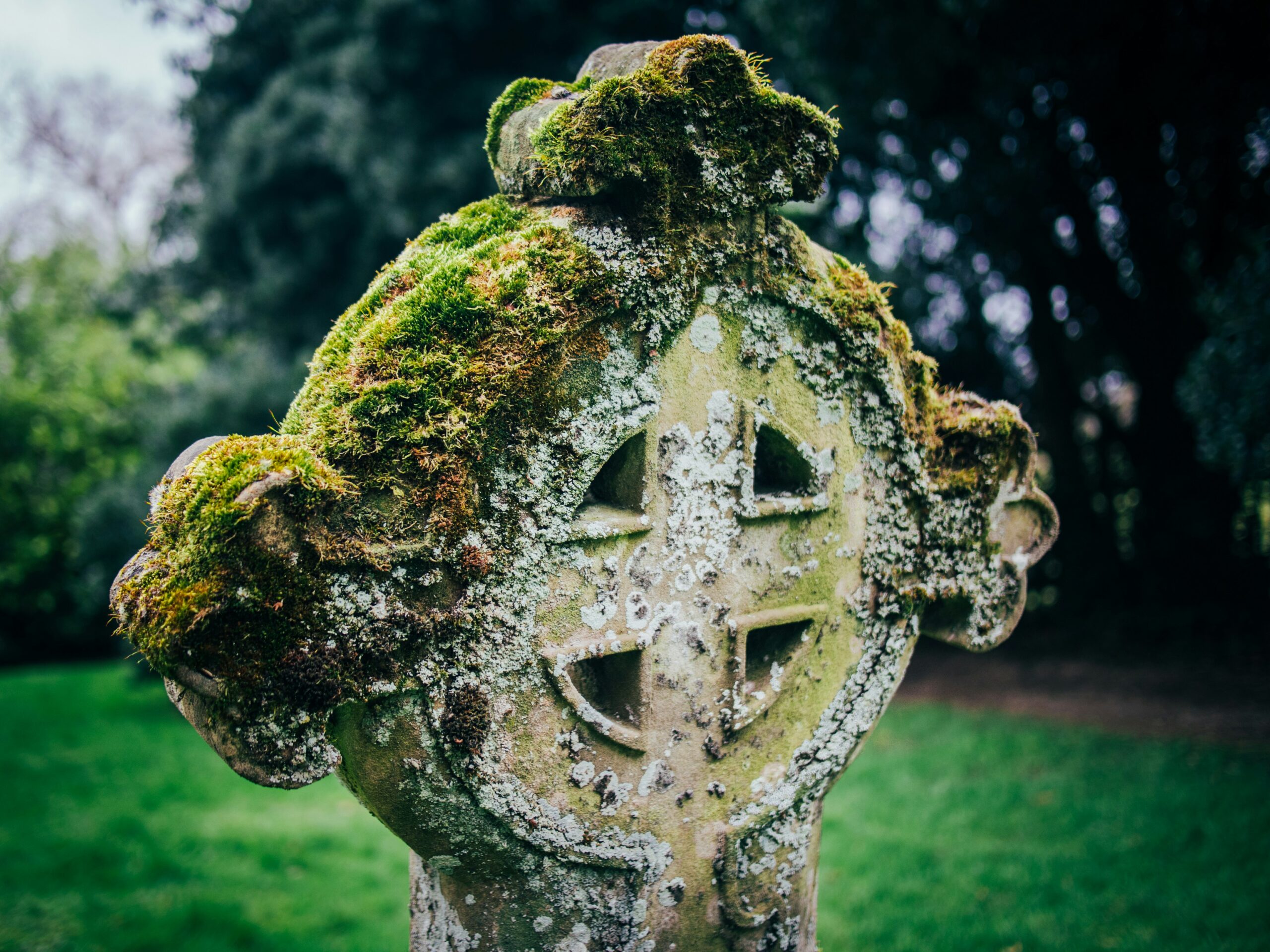
For my shield this day A mighty power: The Holy Trinity! Affirming threeness, Confessing oneness, In the making of all Through love… The breastplate of St. Patrick features this refrain at both the beginning and the end of its poem. St. Patrick’s invocation of the Trinitarian Godhead—Father, Son and Holy Spirit—is emblematic of Celtic Christianity. St. Patrick may be famously
Politicians have interests from which Christians may be joyously free. Our faith family is not contained by state lines or party lines, by skin color or culture, by language or ethnicity.
We are free to love each other. And we are free to love others.
What a gift.

Chances are, you or someone you know gave or received a coloring book for adults in the last year. With titles as catchy as “Color Me Stress Free” or “The Art of Relaxation,” the coloring craze has swept the nation. Whether the book contains images of floral gardens, mandalas or other graphic patterns, the idea behind coloring therapy is to

“Jesus has a body but the Father and Spirit do not. Discuss.” One of my acquaintances posted this on social networking recently, provoking a number of responses. One person wondered if Christ had always had physical form. The discussion spun and doubled back, spiraled and swung. And, as it happens, it matters. Frequently theology – especially Trinitarian theology – is

Yet another acquaintance lost his life to depression over the holidays. Such loss leaves everyone devastated on multiple levels. When devastations like suicide drop into our lives, we’re left with far more questions than answers, not to mention the guilt and so often, such a sense of powerlessness. Stretching to make sense of a tragic event, we tend to grab