
The King of all creation was born as a lowly, disregarded nobody-baby. In part, that was because Mary and Joseph were nobodies. Joseph was a craftsman from the small town of Nazareth in Galilee. Mary was a young woman with an apparently questionable character. Still, they were the nobodies God wanted to use, and that was a surprise.
God creates. God redeems. Christian faith is deepened and enriched when we get the order right. This is especially true in the arena of evangelism, where our focus is often on individuals and our fervent hope that they might come into relationship with Jesus Christ. There is no doubt this is an extremely important focus. Yet something significant is lost

“The will to win is not nearly as important as the will to prepare to win.” – Everyone from Vince Lombardi to Bear Bryant to Bobby Knight is cited as the source of this quote. The wisdom found in it has outlasted the origin. Everyone wants to win. It doesn’t matter how you define winning – career success, relationship goals met,
Maybe as we proclaim the good news that will bring great joy to all people, we ought also to recall the words of our Prince of Peace, who told us that God blesses peacemakers. Maybe in this season of peace and beyond, we need to ask how might we become more active in our peacemaking?
Word and deed come together, as intimately entwined as breathing in and breathing out. Deciding which is more important depends on which you did last.

I have a delicious no-fail sourdough bread recipe! It involves a three-step process spread over one and a half days. The key to the recipe is to give the bread dough time to “yeast” – Sue Monk Kidd’s word for allowing bread to rise. Kidd tells of making the bread with the assistance of her five year old daughter, Ann.
Waiting is hard. Many of us are tempted either to wait passively, like the foolish bridesmaids, or to take over and attempt to save ourselves by our own effort. Advent challenges both our complacency and our self-sufficiency.
Into this climate of fear and apprehension, Christmas enters,
Streaming lights of joy, ringing bells of hope
And singing carols of forgiveness high up in the bright air.
The world is encouraged to come away from rancor,
Come the way of friendship.
So, while we can and should sing of Christ’s return throughout the year, Advent presents a key opportunity to declare with clarity this crucial doctrine in our faith. And as Wesleyans we have a gem in Charles’ hymn, “Lo! He Comes With Clouds, Descending.”
Piero della Francesca gets thunderingly right what so many Christians get so stunning wrong. Raised on the first day of the week – a day any faithful Jew would understand as the first day of creation – God in Christ has begun the re-creation of this world. This work of making all things new is not complete, but it has
Someone living with an anxiety disorder (or any medical condition) that makes being in loud, dark areas or separated from family unendurable does not feel welcomed. This is not a commentary on the theology or religiosity of the “turn up the volume and dim the lights, no children allowed” movement. The concern here is how the Body of Christ meets

With its distinctive orb that surrounds the intersecting arms that form the right angles of the Latin cross, most of us recognize the shape and design of the traditional Celtic cross. No matter our level of familiarity with the prayers, traditions and other customs of the medieval Celtic Christians, the iconic artwork of the cross is no ancient relic relegated
These hymns, like the psalms, come from or speak to different experiences – some quite specific, others more general – and they express a wide variety of feelings toward God, ranging from thanksgiving and adoration to supplication to bitter grief. The hymn I came upon that had a reference to Jesus weeping was under the heading of “For a Child
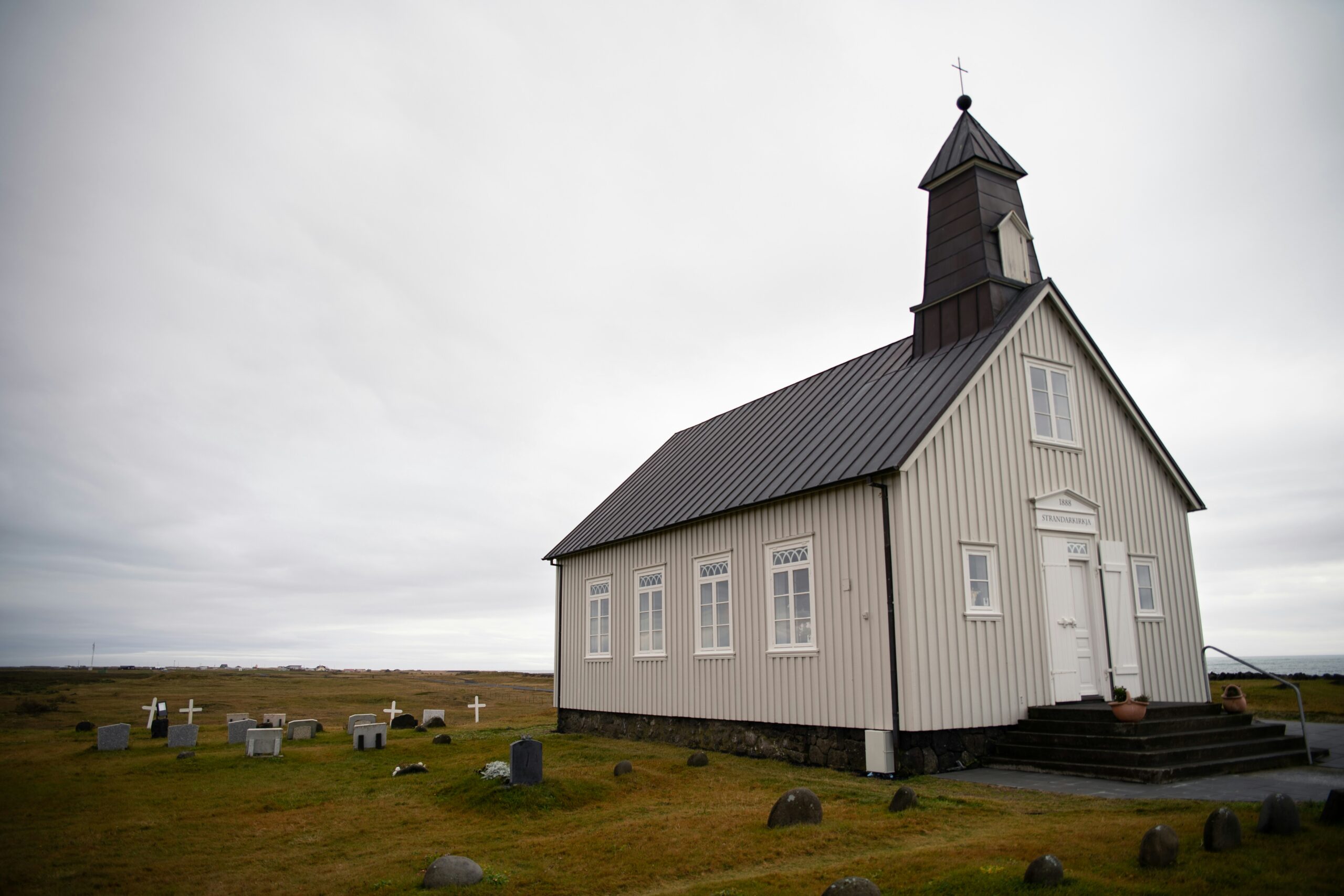
Most churches aren’t big. Most churches say they want to grow. Many pastors hope to serve at big or growing churches. Most pastors won’t. It’s simply a matter of numbers in the United States: there aren’t that many megachurches. If you happen to be the pastor of one, you can sell a lot of books to pastors who want to
Seminar participants are so committed to faith and evangelism. If you want to be Christian here you have to be incredibly committed.

I am “old school.” I freely admit it. When it comes to writing, whether it be drafting a letter or revising a doctoral thesis (and I have done both in the last year) I would rather sit down with paper and pencil than a laptop or tablet. Turns out, studies indicate, I am not alone; there is something about the mind-body
And so, among other things I’m giving up for Lent, I’m trying to give up the search to find some other hidden meaning. Perhaps I won’t get anything out of it. We don’t enter into the Lenten season practicing disciplines in order to achieve a particular return. It’s not an investment. Fasting and praying are not disciplines that we engage

I’m supposed to be sitting here writing something brilliant and thought-provoking. You (my audience) are well-versed in theology, social ethics, and various philosophies. You have high expectations, or you wouldn’t be here. Don’t get me wrong, I enjoy a good theological debate and I am passionate about the current social crises, but right now, I’m just really loving the font

“What’s for dinner?” It might be the most dreaded daily question an adult can be asked. If only there was a simple answer that did not hinge on a barrage of underlying questions: Who’s making dinner? What time are we eating? How many for dinner? Will there be any dislikes or allergies represented at the table? What’s in the cupboard?