And Now We Begin by Kim Reisman
Now that we’ve celebrated God’s decision to put on flesh and bone and move into the neighborhood, we’re left with the question, what do we do now?

Now that we’ve celebrated God’s decision to put on flesh and bone and move into the neighborhood, we’re left with the question, what do we do now?

At our downtown ministry this week, I watched a precious soul rock an invisible baby while “Away in a Manger” was being sung and I was overwhelmed by the values of God and his preference for the poor. It is completely antithetical to our human nature to seek after and invest in the hidden places where the poorest of the
“The Good, the Bad and the Ugly.” We all have something in each list. Tonight, I want to remind you that life is a complex mixture of all three kinds of experiences…good to celebrate, bad to grieve, and ugly to heal.
The King of all creation was born as a lowly, disregarded nobody-baby. In part, that was because Mary and Joseph were nobodies. Joseph was a craftsman from the small town of Nazareth in Galilee. Mary was a young woman with an apparently questionable character. Still, they were the nobodies God wanted to use, and that was a surprise.
God creates. God redeems. Christian faith is deepened and enriched when we get the order right. This is especially true in the arena of evangelism, where our focus is often on individuals and our fervent hope that they might come into relationship with Jesus Christ. There is no doubt this is an extremely important focus. Yet something significant is lost

“The will to win is not nearly as important as the will to prepare to win.” – Everyone from Vince Lombardi to Bear Bryant to Bobby Knight is cited as the source of this quote. The wisdom found in it has outlasted the origin. Everyone wants to win. It doesn’t matter how you define winning – career success, relationship goals met,
Maybe as we proclaim the good news that will bring great joy to all people, we ought also to recall the words of our Prince of Peace, who told us that God blesses peacemakers. Maybe in this season of peace and beyond, we need to ask how might we become more active in our peacemaking?
Word and deed come together, as intimately entwined as breathing in and breathing out. Deciding which is more important depends on which you did last.

I have a delicious no-fail sourdough bread recipe! It involves a three-step process spread over one and a half days. The key to the recipe is to give the bread dough time to “yeast” – Sue Monk Kidd’s word for allowing bread to rise. Kidd tells of making the bread with the assistance of her five year old daughter, Ann.

Christians talk about HEAVEN as the place where they will live for eternity. ETERNAL LIFE is the life that is a gift of God which comes to those who accept Christ as God’s gift of salvation. Paul uses the phrase eternal life to describe the goal of the process of salvation. We normally think of eternal life as what happens

Back in January of this year, media channels were flooded with accounts and commentary regarding the immigration enforcement actions taken in Minneapolis by the current presidential administration. Everyone agrees that two people were killed by federal officers. There are videos of each incident. What is striking about the videos, however, is that they do not seem to have changed anyone’s
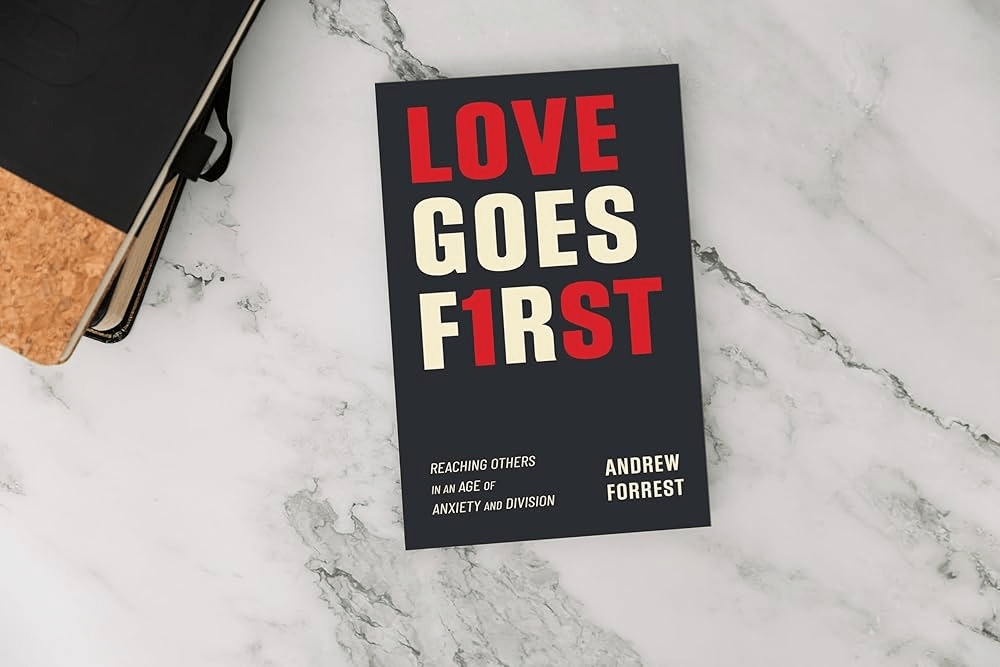
Many news outlets have picked up the story of the decline of the church. Many strategies have been crafted to counterbalance this dataset. What if there has always been a way to not only prevent the decline but to engage the world around us well? How to Respond to Church Decline in a Changing Culture In Love Goes F1rst, Andrew
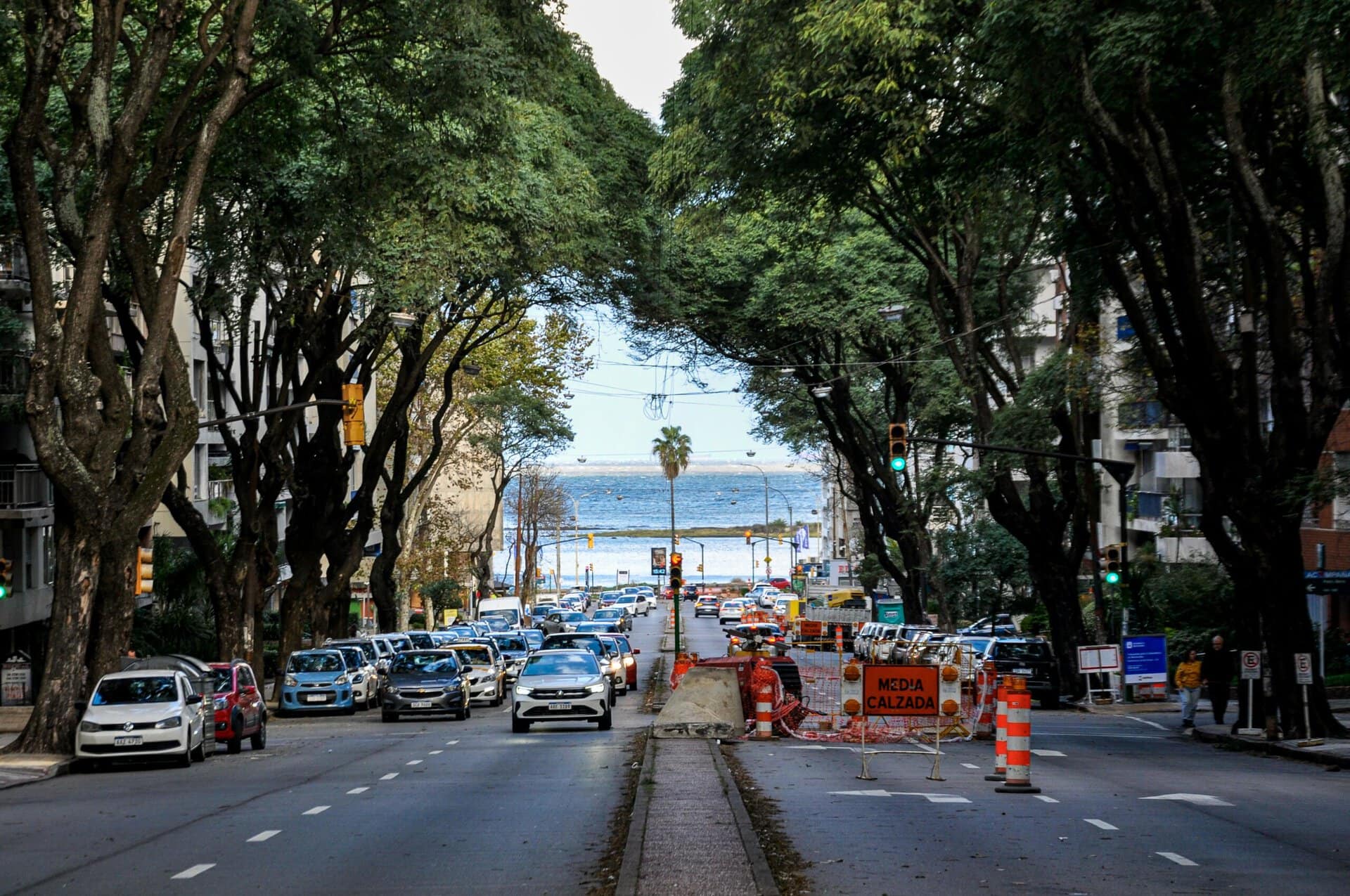
official website Members 0 K+ Congregations 0 + The Methodist story in Uruguay is one of historic pioneering. In 1969, the Iglesia Metodista en el Uruguay (IMU) became the first Methodist church in Latin America to become autonomous. Today, under the leadership of President Raul Sosa, the church consists of approximately 1,000 members across 20 congregations. In a nation often
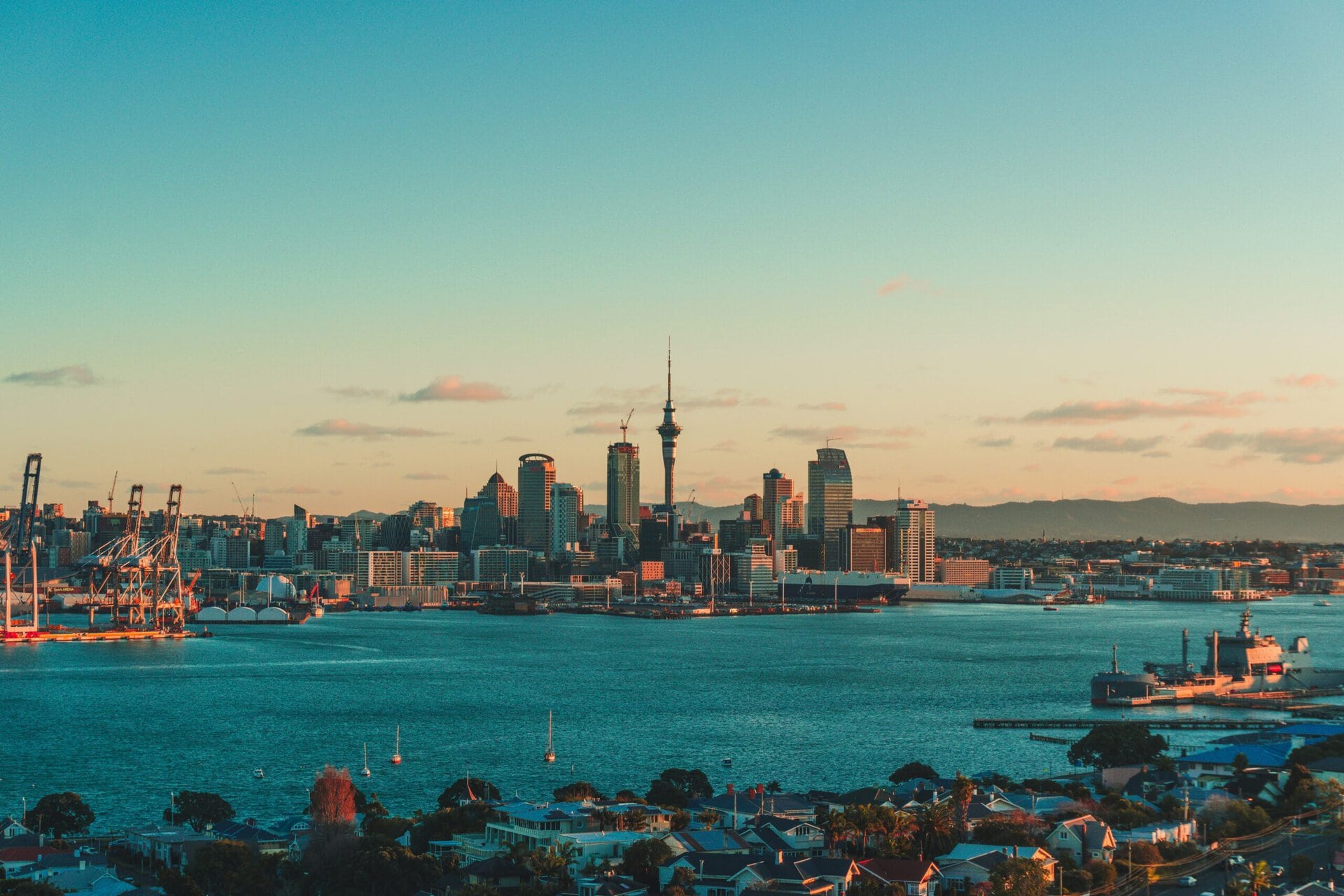
official website Members 0 K+ Congregations 0 + The Methodist Church of New Zealand (Te Hāhi Weteriana o Aotearoa) is a diverse and multicultural church shaped by both Māori and Pākehā (European) traditions, as well as Pacific and immigrant communities. Officially established in 1822, it is now led by President Rev. Peter Taylor and Vice President TeRito Peyroux-Semu. The church

official website Members 0 K+ Congregations 0 + It is by the Andes where the Iglesia Metodista del Perú faithfully proclaims the gospel and serves communities across diverse cultural and geographic landscapes. The Methodist story in Peru is one of “Holistic Mission” — a beautiful blend of high-quality education and a fearless witness for social justice. Today, under the leadership
official website Members 0 K+ In South America, the Comunidad Evangélica Metodista del Paraguay (CEMP) represents a growing Methodist witness led by Bishop Eligio Genes Fernández. The Evangelical Methodist Church of Paraguay grew out of missionary work in the 1940’s, and the first Methodist worship gathering in Paraguay was held in 1988. Since then, the church as an autonomous body
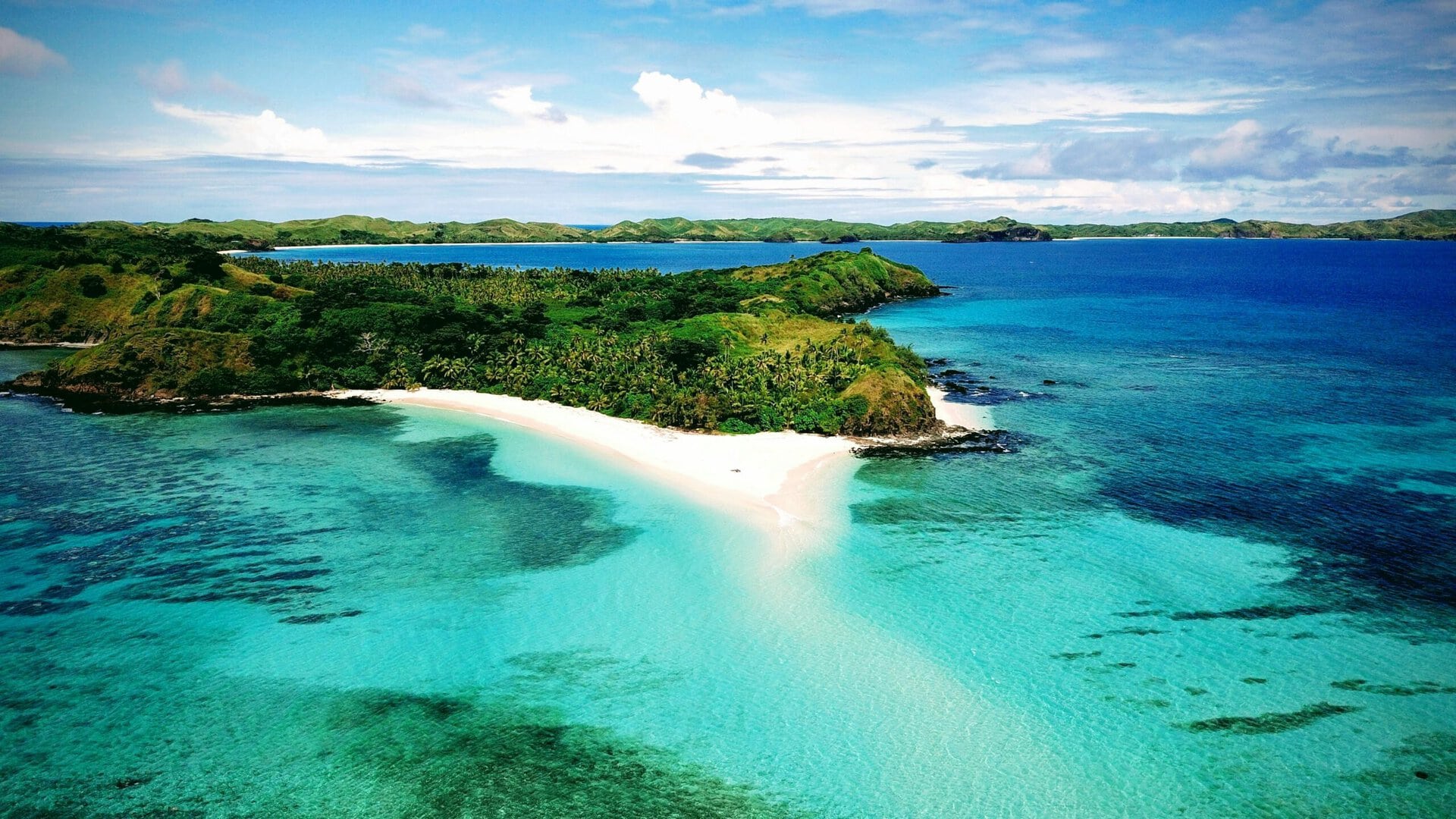
official website Members 0 K+ Congregations 0 K+ The Methodist Church in Fiji and Rotuma is the largest Christian denomination in the country, shaping the spiritual and cultural life of the nation. It grew out of the Wesleyan movement in Australia and became autonomous in 1964. The Church has held significant influence and is considered one of the three “pillars”
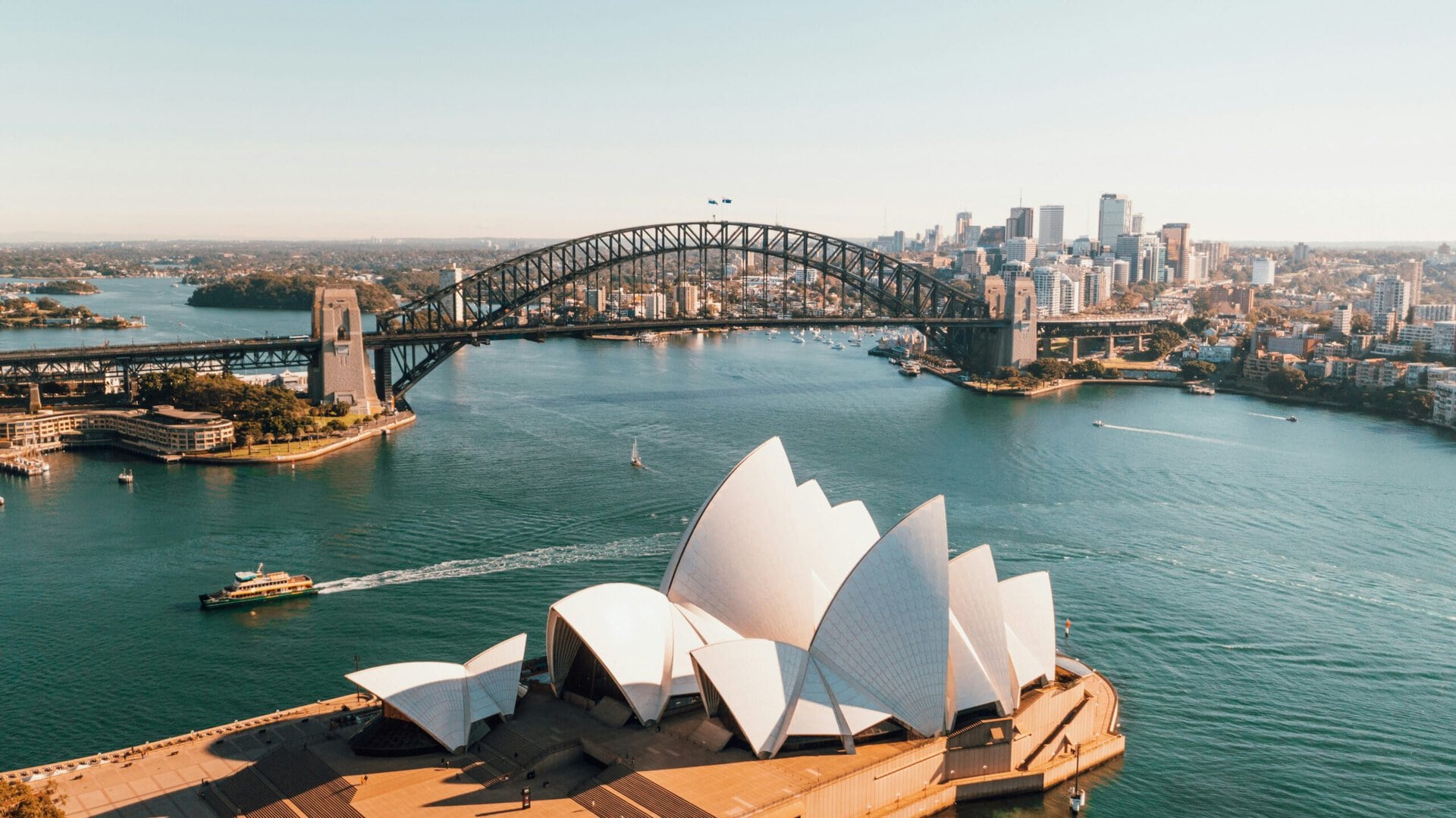
official website Members 0 K+ Congregations 0 K+ Formed in 1977 through the union of the Congregational Union in Australia, the Methodist Church of Australasia, and the Presbyterian Church of Australia, the Uniting Church in Australia is a uniquely Australian expression of the “Global Parish.” It is currently led by Rev. Charissa Suli, the youngest person and first person of color
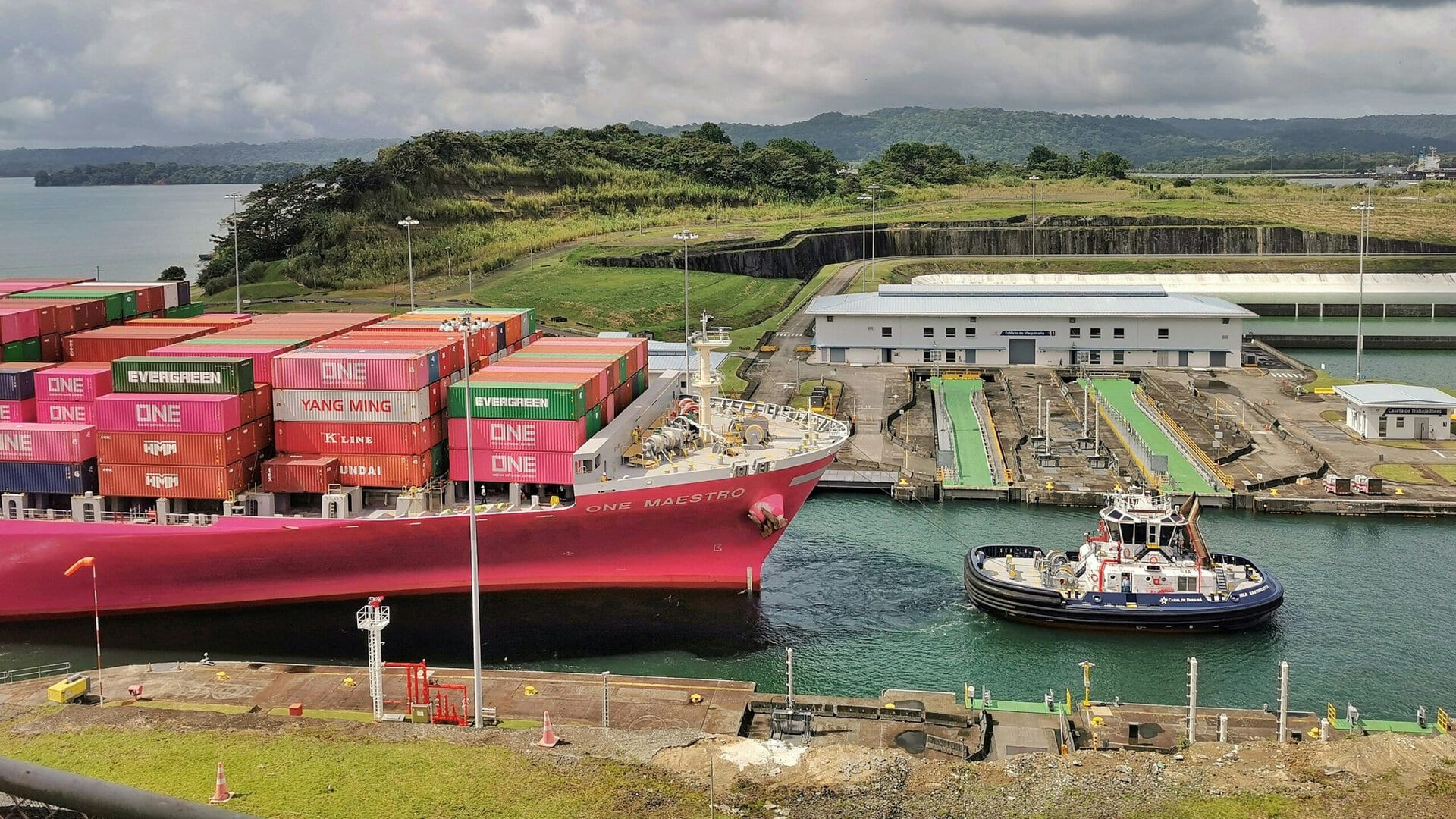
official website Members 0 K+ Congregations 0 + Methodist work in Panama was initiated by a laywoman “Madre Abel” between 1811 and 1821; however, the Church was officially established in 1906 through the work of missionaries from the United States. The Iglesia Evangélica Metodista de Panamá became autonomous in the early 1970’s. Today it is a small but faithful community