And Now We Begin by Kim Reisman
Now that we’ve celebrated God’s decision to put on flesh and bone and move into the neighborhood, we’re left with the question, what do we do now?

Now that we’ve celebrated God’s decision to put on flesh and bone and move into the neighborhood, we’re left with the question, what do we do now?

At our downtown ministry this week, I watched a precious soul rock an invisible baby while “Away in a Manger” was being sung and I was overwhelmed by the values of God and his preference for the poor. It is completely antithetical to our human nature to seek after and invest in the hidden places where the poorest of the
“The Good, the Bad and the Ugly.” We all have something in each list. Tonight, I want to remind you that life is a complex mixture of all three kinds of experiences…good to celebrate, bad to grieve, and ugly to heal.
The King of all creation was born as a lowly, disregarded nobody-baby. In part, that was because Mary and Joseph were nobodies. Joseph was a craftsman from the small town of Nazareth in Galilee. Mary was a young woman with an apparently questionable character. Still, they were the nobodies God wanted to use, and that was a surprise.
God creates. God redeems. Christian faith is deepened and enriched when we get the order right. This is especially true in the arena of evangelism, where our focus is often on individuals and our fervent hope that they might come into relationship with Jesus Christ. There is no doubt this is an extremely important focus. Yet something significant is lost

“The will to win is not nearly as important as the will to prepare to win.” – Everyone from Vince Lombardi to Bear Bryant to Bobby Knight is cited as the source of this quote. The wisdom found in it has outlasted the origin. Everyone wants to win. It doesn’t matter how you define winning – career success, relationship goals met,
Maybe as we proclaim the good news that will bring great joy to all people, we ought also to recall the words of our Prince of Peace, who told us that God blesses peacemakers. Maybe in this season of peace and beyond, we need to ask how might we become more active in our peacemaking?
Word and deed come together, as intimately entwined as breathing in and breathing out. Deciding which is more important depends on which you did last.

I have a delicious no-fail sourdough bread recipe! It involves a three-step process spread over one and a half days. The key to the recipe is to give the bread dough time to “yeast” – Sue Monk Kidd’s word for allowing bread to rise. Kidd tells of making the bread with the assistance of her five year old daughter, Ann.
The first name given in creation was Adam. It means humanity.
The Scripture story tells us that God, through Jesus Christ, created all of humanity in his image and breathed into us the breath of life.
I thought of Adam when I saw the first hashtag given to Aylan’s story: Humanity Washed Ashore.

I can still see them. More than that, I can still sense them: The images from the first horror movie I encountered, unwittingly, at five or six years of age. This is more than a little disconcerting considering the images are rooted in the organ with which I make life’s major decisions. My brain is shaped, literally, with these images.

“Conduct yourselves wisely toward outsiders, making the most of the time. Let your speech always be gracious, seasoned with salt, so that you may know how you ought to answer everyone.” Colossians 4:5-6 “Now who will harm you if you are eager to do what is good? But even if you do suffer for doing what is right, you are blessed.
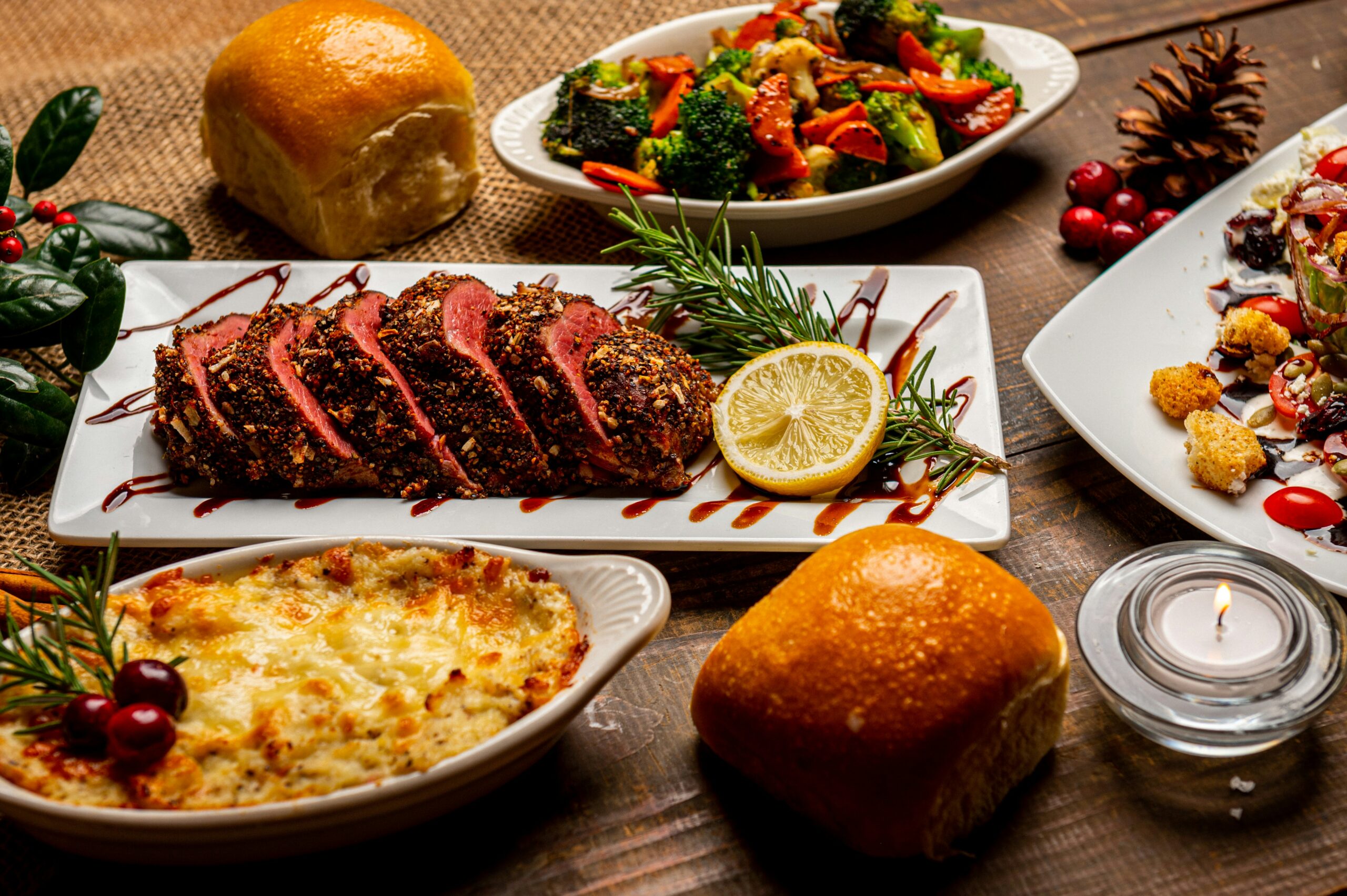
“What’s that song you’re humming?” my five-year-old asked as we sat parked in the ATM line. “I’m gonna feast at the table of the Lord…” I sang more loudly. “FEAST? What does THAT mean?” “It means to eat a of really nice food as a celebration, like a party,” came my made-up-on-the-spot-parenting reply. What does it mean to feast at the
He says that “in Christ,” through what Christ has done for us in his life, death and resurrection, through his empowering Spirit and inspiring example and our relationship with Christ, God is recreating, restoring us to what he originally intended us to be. The Greek word that Paul uses literally means a “masterpiece.”
Sociologist, historians, and theologians suggest that we are living in the midst of a paradigm shift. Young adults inhabit a different world than that of their parents.
The Lord took Peter, James, and John to a high mountain apart. It was essential, for their effectiveness, that He reveal facts about Him they did not yet know. It is important to note that they were separated from the others and it is not by accident that they journeyed to a high mountain apart. He had something to show

The global West’s current fundamental battle of narratives is whether or not there is a context to being human. The Christian (and Jewish) narrative, of course, affirms a theological context: human beings are made in God’s image. The conflicting contemporary narrative, growing with uncritical acceptance, is the denial of God’s image—or any image. Instead, this competing narrative argues that human

“Read everything.” Rev. Steve DeNeff, a pastor and well-known preacher and speaker in The Wesleyan Church, said this one day in my undergraduate homiletics class. He is an excellent communicator and taught a fascinating preaching class. At the end of the second semester, he presented students with a print of a pastor in a pulpit, surrounded by shadowy figures –
In the Old Testament book of Exodus we read the account of the Israelites journey out of slavery, through the desert and into the Promised Land. This journey provides the ultimate illustration for our spiritual journey and Moses as their leader, demonstrates that the disciplines provide the access point to God’s Presence.