Becoming Kingdom People: The Shape of the Beatitudes by Kim Reisman
Kingdom-esteem leads to humility, because it involves recognizing that it’s not about us, it’s about what God has done for us.

Kingdom-esteem leads to humility, because it involves recognizing that it’s not about us, it’s about what God has done for us.
Scripture doesn’t describe causal prayer anywhere, but always about prayer that is a person emptying his or her heart to God of whatever emotions are there.

I like placing the deceased person’s story within the broader story God has been writing since the beginning of time.
God’s blessedness is already there, and we experience it when we seek God’s kingdom.

Hell has dispatched some deceivers who are on the loose in your life!
Are our eyes as tuned to spiritual light as they are to physical light?
The Holy Spirit is always at work in the world and in the church regardless of the problems that we face and regardless of the darkness that seems to prevail.
The joy God gives isn’t tied to happenstance, chance, or change. It is deeper, more lasting, and may even have some surprising components.
That is the surprise of the Beatitudes—what appears to be a source of unhappiness, turns out to be a source of joy and blessedness.

The Great Barrier Reef A few months ago, an online news article quickly went viral with its title Obituary: Great Barrier Reef (25 Million BC – 2016). Though not yet factual, it definitely caused consternation and raised awareness of the endangered state of the Great Barrier Reef. This immediately reminded me of renowned consultant Alan Roxburgh’s book Missional: Joining God in the Neighborhood. In the opening chapter, he recounts of a majestic experience
Piero della Francesca gets thunderingly right what so many Christians get so stunning wrong. Raised on the first day of the week – a day any faithful Jew would understand as the first day of creation – God in Christ has begun the re-creation of this world. This work of making all things new is not complete, but it has
Someone living with an anxiety disorder (or any medical condition) that makes being in loud, dark areas or separated from family unendurable does not feel welcomed. This is not a commentary on the theology or religiosity of the “turn up the volume and dim the lights, no children allowed” movement. The concern here is how the Body of Christ meets

With its distinctive orb that surrounds the intersecting arms that form the right angles of the Latin cross, most of us recognize the shape and design of the traditional Celtic cross. No matter our level of familiarity with the prayers, traditions and other customs of the medieval Celtic Christians, the iconic artwork of the cross is no ancient relic relegated
These hymns, like the psalms, come from or speak to different experiences – some quite specific, others more general – and they express a wide variety of feelings toward God, ranging from thanksgiving and adoration to supplication to bitter grief. The hymn I came upon that had a reference to Jesus weeping was under the heading of “For a Child
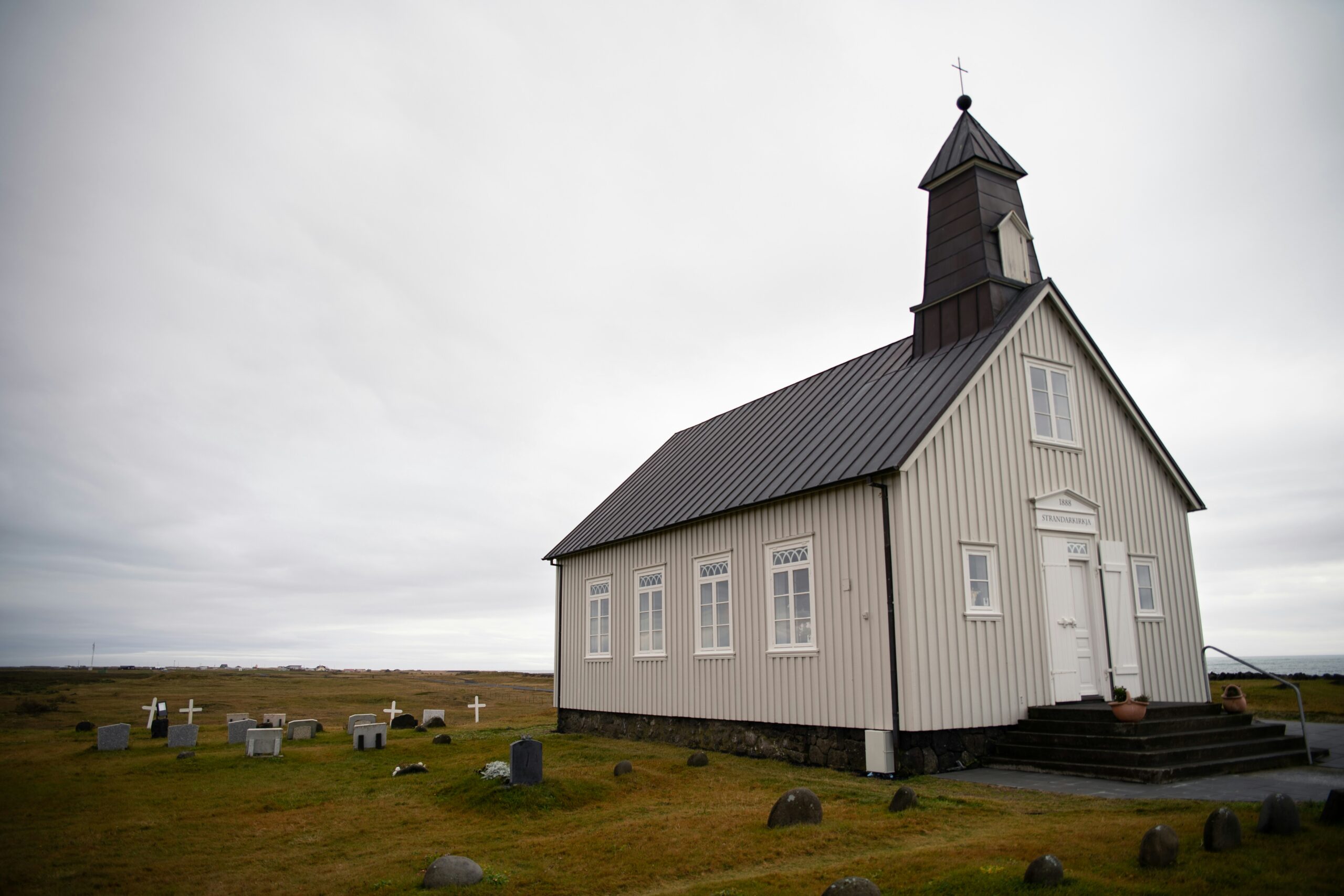
Most churches aren’t big. Most churches say they want to grow. Many pastors hope to serve at big or growing churches. Most pastors won’t. It’s simply a matter of numbers in the United States: there aren’t that many megachurches. If you happen to be the pastor of one, you can sell a lot of books to pastors who want to
Seminar participants are so committed to faith and evangelism. If you want to be Christian here you have to be incredibly committed.

I am “old school.” I freely admit it. When it comes to writing, whether it be drafting a letter or revising a doctoral thesis (and I have done both in the last year) I would rather sit down with paper and pencil than a laptop or tablet. Turns out, studies indicate, I am not alone; there is something about the mind-body
And so, among other things I’m giving up for Lent, I’m trying to give up the search to find some other hidden meaning. Perhaps I won’t get anything out of it. We don’t enter into the Lenten season practicing disciplines in order to achieve a particular return. It’s not an investment. Fasting and praying are not disciplines that we engage

I’m supposed to be sitting here writing something brilliant and thought-provoking. You (my audience) are well-versed in theology, social ethics, and various philosophies. You have high expectations, or you wouldn’t be here. Don’t get me wrong, I enjoy a good theological debate and I am passionate about the current social crises, but right now, I’m just really loving the font
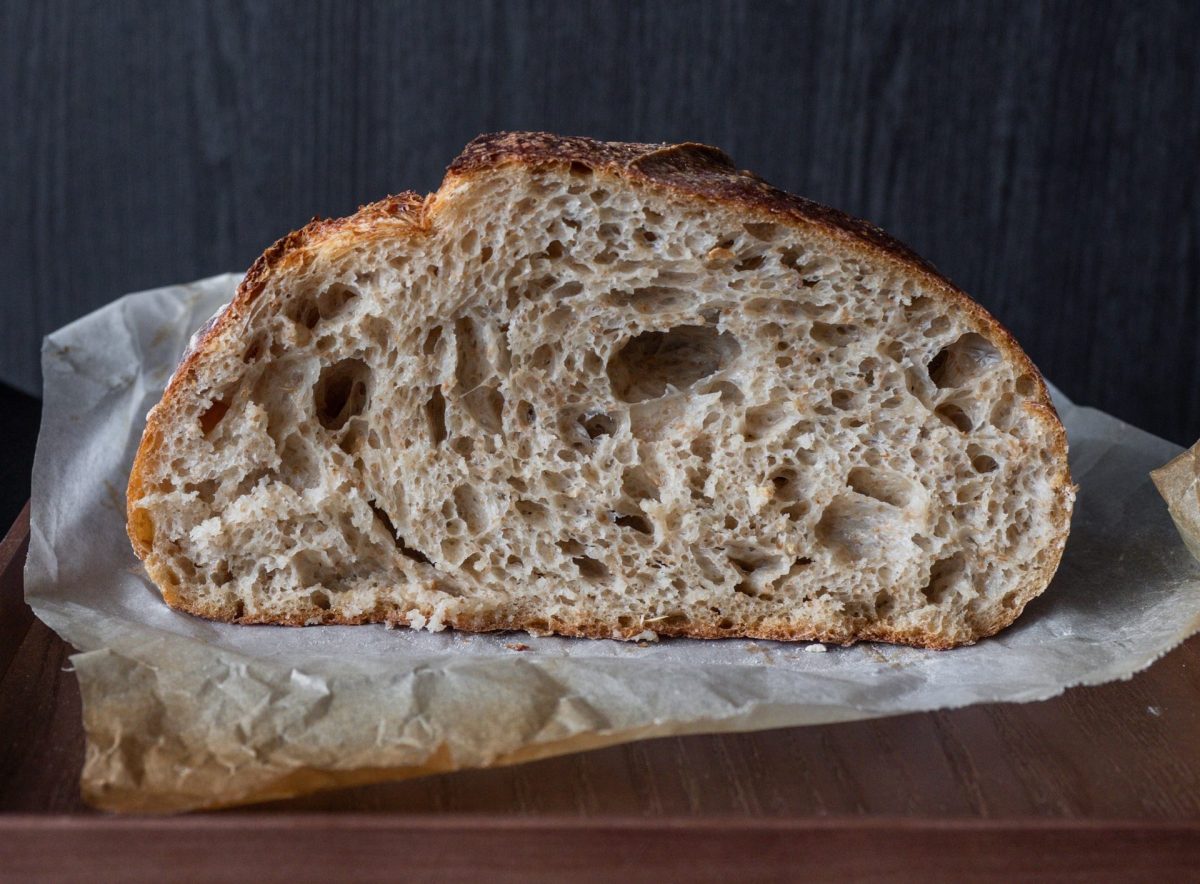
“What’s for dinner?” It might be the most dreaded daily question an adult can be asked. If only there was a simple answer that did not hinge on a barrage of underlying questions: Who’s making dinner? What time are we eating? How many for dinner? Will there be any dislikes or allergies represented at the table? What’s in the cupboard?