
Preaching in Times of Upheaval by Maxie Dunnam
Knowing that your preaching is limited in possible impact, don’t see proclamation as your primary witness.

Knowing that your preaching is limited in possible impact, don’t see proclamation as your primary witness.
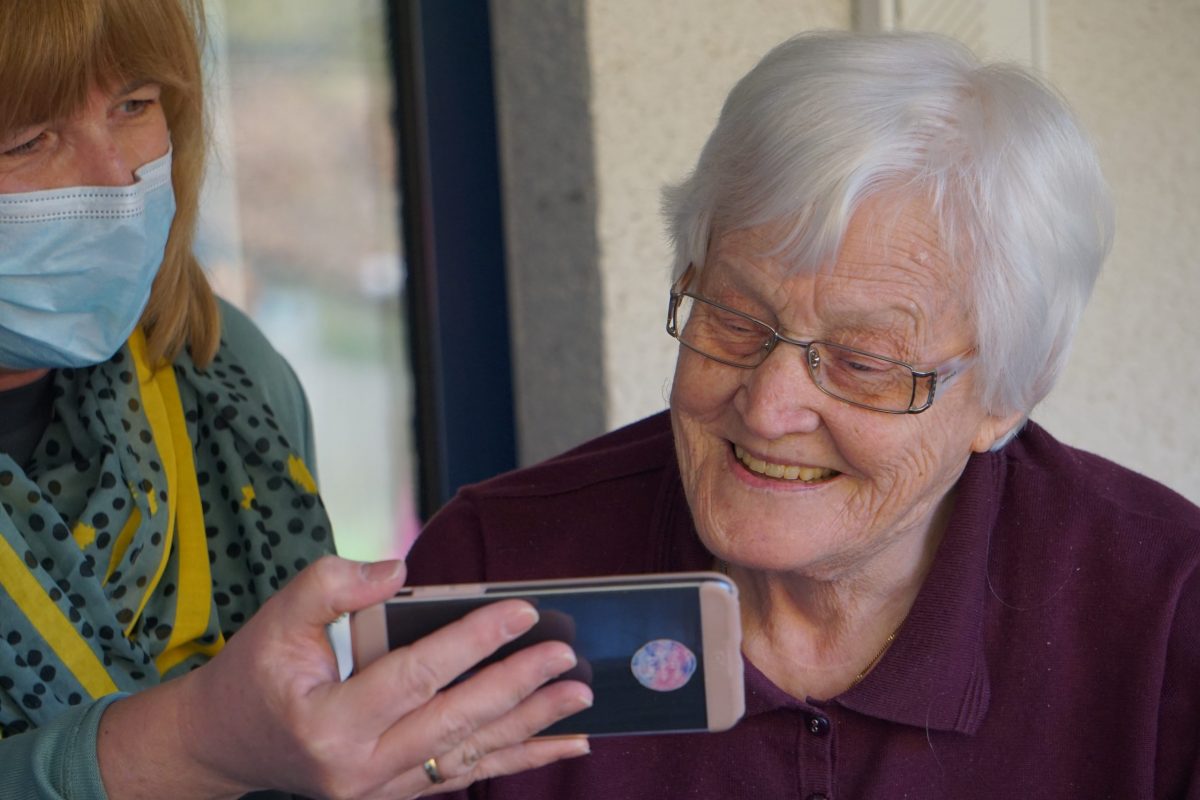
Raise your hand if you are a pastor who inwardly rejoiced when hospitals closed their doors for pastoral visits because of Covid-19. If only a fleeting moment, did you whisper a sigh of relief because Covid regulations meant you did not have to (a) make an already long day even longer with an afternoon stop by the hospital before heading

Note from the editor: I first met Dr. Jackson Lashier when we were both seminary students. Unlike many of the students who were pursuing degrees to become local church pastors, he and I found ourselves in many of the same classes as we worked toward degrees that prepared us for ministries in academic contexts. At the time, I knew him

We need to practice opening the door for the Spirit of God to enter our striving for answers in contradictory times.

In the tug of prolonged strain, physicians, like their patients, are vulnerable. Some corners of the United States remain relatively quiet and unaffected by outbreaks of the coronavirus, Covid-19. In these areas, extra sanitizer, virtual appointments, and doctors’ office face coverings are the cue that something is happening elsewhere. But in other regions, despite the summer months, health care systems
For 400 years, through slavery, lynching, Jim Crow laws, the Civil Rights movement, and institutionalized racism, people of color (especially within the Black community) have been fighting and crying out for justice and equality. Justice is sought because they have been oppressed and abused for centuries; equality, because that is the underlying cause of their unjust treatment: they have been

God’s compassion needs to be experienced and expressed: experienced by us as his people and expressed to the people around us.
In my previous article, I talked about some ways the newly distanced church can think about worship, discipleship, and outreach in the still-developing COVID-19 crisis. Ministry in the Newly Distanced Church Part 1. In this article, I offer some practical steps to consider for discipleship and outreach as churches reopen and move into a new way of doing church. Don’t
Abide in me as I abide in you. Just as the branch cannot bear fruit by itself unless it abides in the vine, neither can you unless you abide in me. I am the vine, you are the branches. Those who abide in me and I in them bear much fruit, because apart from me you can do nothing. John 15:4-5
Events in the United States often impact the rest of the world. Though World Methodist Evangelism is a global organization working through a network of 80 million Methodist Wesleyans in over 130 countries; I feel it is important to speak out on the current unrest unfolding in the US. I have been trying to mentally and emotionally process what has
“The grace of redemption can come upon us all at once like a crashing wave. It can reveal itself over a season of life similar to how the autumn leaves move from green to vivid orange, red, and yellow. It can even be relentless in how it floods our souls over and over again.”
“Now some Calvinists clearly understand the logic of their position, and do not shrink from this implication. Classic Calvinist theologian Arthur W. Pink wrote: ‘when we say God is sovereign in the exercise of His love, we mean that He loves whom He chooses. God does not love everybody.’”
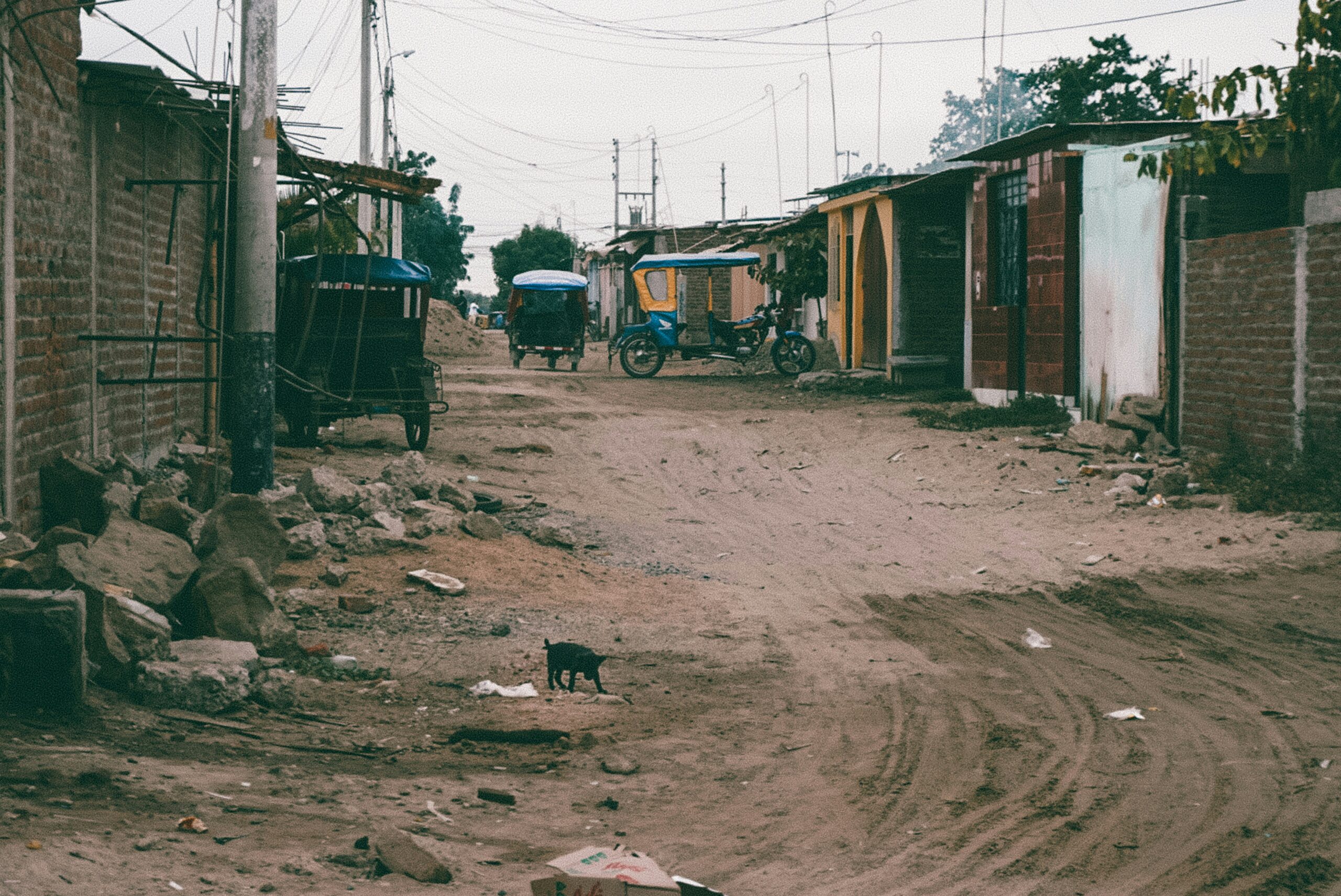
I encountered Jesus on a trip to a mercy ministry in Bangalore. The people at this particular place were a mix of old, disabled, infirm and insane. But in some pairs of eyes, I could see what Mother Teresa talked about: Jesus in his most distressing disguise. I sat by a woman who was skin and bones. Half-naked and not fully
Each season has its ebb and flow, its ups and downs. Why is it, then, that we are still wrapping our minds around change management and leading change within local congregations? Think of change like you think of the seasons.
“Like divine sovereignty, predestination is not a Calvinist doctrine, it is a biblical doctrine. And indeed, as a theologian steeped in Scripture, Wesley not only affirmed the doctrine, he affirmed a very strong version of it…”

Prayer. It is as natural as breathing. Most of us, regardless of faith, will find ourselves praying instinctively at some point in our lives. Typically, the prayer that flows unbidden from our heart is a prayer formed in our soul that expresses our deep distress as a plea of boldness for help or guidance. Or the prayer might be one

How can a loving God send people to hell? The text comes from John 3:16-21: “For God so loved the world that he gave his one and only Son, that whoever believes in him shall not perish but have eternal life. For God did not send his Son into the world to condemn the world, but to save the world through him. Whoever believes in him is not

Intuition is a direct knowledge or awareness of something without conscious attention or reasoning; it is non-intellectual perception. Nothing innately spiritual is either stated or implied in that definition. When a person allows the Holy Spirit to take control of his or her natural intuition, the result is spiritual intuition. Discernment through spiritual intuition provides deeper understanding and expands the
“I was headed in the wrong direction, even though the church was headed in the right direction.”
The sovereignty of God is a vitally important truth Wesleyans badly need to recover. This is not only because it is crucial for understanding the biblical drama, but also because many Wesleyans have tended to neglect it because Calvinists often give the impression that it is one of their distinctive doctrines. But the sovereignty of God is not a Calvinist