
Preaching in Times of Upheaval by Maxie Dunnam
Knowing that your preaching is limited in possible impact, don’t see proclamation as your primary witness.

Knowing that your preaching is limited in possible impact, don’t see proclamation as your primary witness.
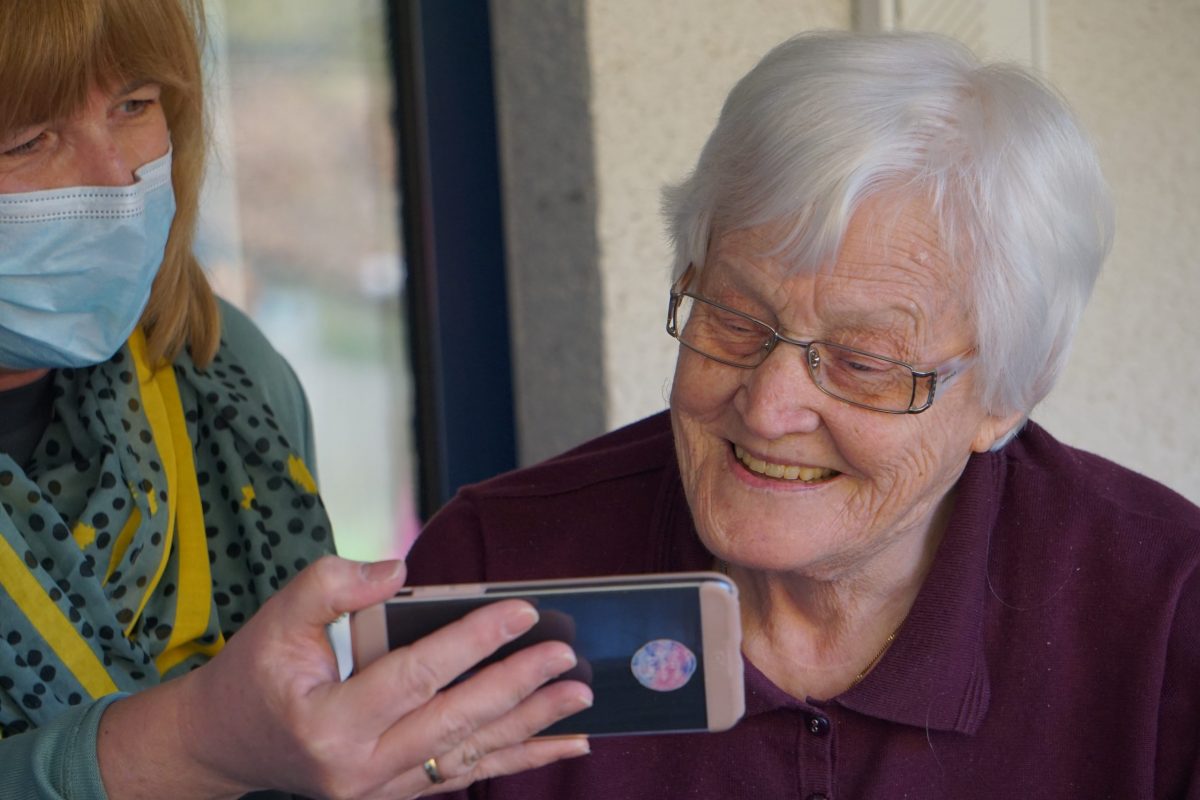
Raise your hand if you are a pastor who inwardly rejoiced when hospitals closed their doors for pastoral visits because of Covid-19. If only a fleeting moment, did you whisper a sigh of relief because Covid regulations meant you did not have to (a) make an already long day even longer with an afternoon stop by the hospital before heading

Note from the editor: I first met Dr. Jackson Lashier when we were both seminary students. Unlike many of the students who were pursuing degrees to become local church pastors, he and I found ourselves in many of the same classes as we worked toward degrees that prepared us for ministries in academic contexts. At the time, I knew him

We need to practice opening the door for the Spirit of God to enter our striving for answers in contradictory times.

In the tug of prolonged strain, physicians, like their patients, are vulnerable. Some corners of the United States remain relatively quiet and unaffected by outbreaks of the coronavirus, Covid-19. In these areas, extra sanitizer, virtual appointments, and doctors’ office face coverings are the cue that something is happening elsewhere. But in other regions, despite the summer months, health care systems
For 400 years, through slavery, lynching, Jim Crow laws, the Civil Rights movement, and institutionalized racism, people of color (especially within the Black community) have been fighting and crying out for justice and equality. Justice is sought because they have been oppressed and abused for centuries; equality, because that is the underlying cause of their unjust treatment: they have been

God’s compassion needs to be experienced and expressed: experienced by us as his people and expressed to the people around us.
In my previous article, I talked about some ways the newly distanced church can think about worship, discipleship, and outreach in the still-developing COVID-19 crisis. Ministry in the Newly Distanced Church Part 1. In this article, I offer some practical steps to consider for discipleship and outreach as churches reopen and move into a new way of doing church. Don’t
Abide in me as I abide in you. Just as the branch cannot bear fruit by itself unless it abides in the vine, neither can you unless you abide in me. I am the vine, you are the branches. Those who abide in me and I in them bear much fruit, because apart from me you can do nothing. John 15:4-5
Events in the United States often impact the rest of the world. Though World Methodist Evangelism is a global organization working through a network of 80 million Methodist Wesleyans in over 130 countries; I feel it is important to speak out on the current unrest unfolding in the US. I have been trying to mentally and emotionally process what has
God is in the midst of the normal – not just the fantastic, chocolate and sprinkled covered parts of life. God’s presence is made real when we take simple elements, like bread, and share it. This is why we should stick to what He invites us to do – offer the bread.
We ought to sing it more! Sing it, indeed, until we re-discover the power of this Name. Sing it until, as Charles Wesley urged, “Happy, if with my latest breath/ I may but gasp his name, / preach him to all and cry in death, / ‘Behold, behold the Lamb!’”

For some, it looks like gathering clouds. For others, a black hole. For some, it feels like dread or fear or hopelessness. For others, it feels more like guilt — the kind that won’t go away. It may feel like shame, or like anxiety that never eases up. It can leave one with questions, unable to function, and another unable

I bind unto myself today the strong name of the Trinity, the Three in One and One in Three – the space-maker who is the source of my freedom, the one who empowers me to defy the forces that seek to restrict me to unbending characterizations or rigid roles.
If contemporary Methodists are serious about robust catechesis, we must broaden our concept of the term. We must understand that baptism is a moment that shapes our entire life—a journey in holiness. We must break free from an approach to catechesis that is merely didactic and understand that the process of catechesis is anchored in the worshipping community. And we
I believe that Wesley can help us steer clear of the problem of moralistic therapeutic deism, as well as other barriers to renewal, so we stay on track in providing solid biblical teaching and preaching. He can do this with his robust vision of the Christian life, at once grace-filled and rigorous, communal and personal, leading to the goal of

When is it time for ______? I googled that question and my search engine finished the question in these ways: When is it time for a divorce? When is it time for a nursing home? When is it time for hospice care? To buy a new car? To break up? To let go? To move on? When is it time
Our Lord’s ascension is, as I like to phrase it, “Easter’s exclamation point.” It tells us that the resurrection of our Lord is not simply a miracle, something to astonish us as with thousands of other miracles; it is a re-shaping of the order of the universe; it is the death of death. It is not simply a lengthening of
Jesus left His disciples. Jesus said, “I am with you always even to the end of the age.” (Matt. 28:20). It wasn’t much long after that He was taken up into the air. He leaves. What is the most common question or statement made by a person in crisis? Where is God in this? Some days I look around and
So, you spend all your time obsessing with others’ expectations of you. The simple truth is this: a life filled with others’ expectations is a life empty of God’s realities. The apostle Paul said it first in Galatians 1:10, “Am I now seeking human approval, or God’s approval? Or am I trying to please people? If I were still pleasing