The Beautiful Gate by Kim Reisman
Why did they leave him at the gate? Why not take him all the way in? Did they not understand that he had spiritual needs as well?

Why did they leave him at the gate? Why not take him all the way in? Did they not understand that he had spiritual needs as well?
Wesley leads us to the heart of Lent and to the heart of every day of seeking the fullness of life in Christ: such a longing to please our Lord that we want the Holy Spirit to check us at the first sense of pride, wrong desire, or the wandering will — anything, that is, that might “quench the kindling

“The mission of the Church is to make disciples of Jesus Christ for the transformation of the world.” The Mission Statement of the United Methodist Church. I am an ordained United Methodist clergy and I have a confession to make. I have a love-hate relationship with the United Methodist mission statement. As a Wesleyan, I love it because it is
On Ash Wednesday, we recall through word and ritual, and even rejoice in, the fact that the Lord our God can bring new life out of the ashes of our brokenness.
A celebration of Easter without a prior descent into the grave is dishonest and naïve, just as observing Lent without the uncompromising proclamation of the Resurrection is hopeless.

Compassion comes from a deliberate identification with another person until we see things as he sees them, and feel things as she feels them. That’s the place to which God seeks to bring all of us.

Around the time the Methodist revival in England completed its first decade, John Wesley penned an essay called A Plain Account of the People Called Methodists. His aim is to explain the Methodist movement to the larger world, which he does by describing the various internal components of the revival that had developed during Methodism’s first ten years. One of

I’m a Yankee. Specifically, I was born in central Michigan, where the air is scented with pine needles and damp sand. I live in northeastern Texas – a region known for its own Piney Woods – but a world away from the cornfields of the Midwest, where I grew up. It may seem like a small question, but how does

I frequently lead workshops on prayer, which I always find kind of odd because I’ve never felt myself to be much of an expert on that kind of thing. Prayer is hard work for me; it’s meaningful, but it’s hard. During my workshops I always focus at some point on intercessory prayer – prayer for needs beyond our own –
Charles Wesley wrote songs for sinners. For those who were lost in sin, his hymns promised salvation, and for those who had come to Christ they were hymns that celebrated the day when it happened… These hymns are as true as ever and it is only our spiritual and doctrinal naivete that keeps us from seeing it.

Acts 17:16-34 contains Paul’s message to the Athenians at the Areopagus. Athens was considered the intellectual capital of the world. It was home to Socrates, Plato and Aristotle. Paul came to Athens during his second mission trip, seeking refuge. Earlier, he had been run out of Thessalonica by the synagogue crowd. He found a more congenial reception in Beroea, until
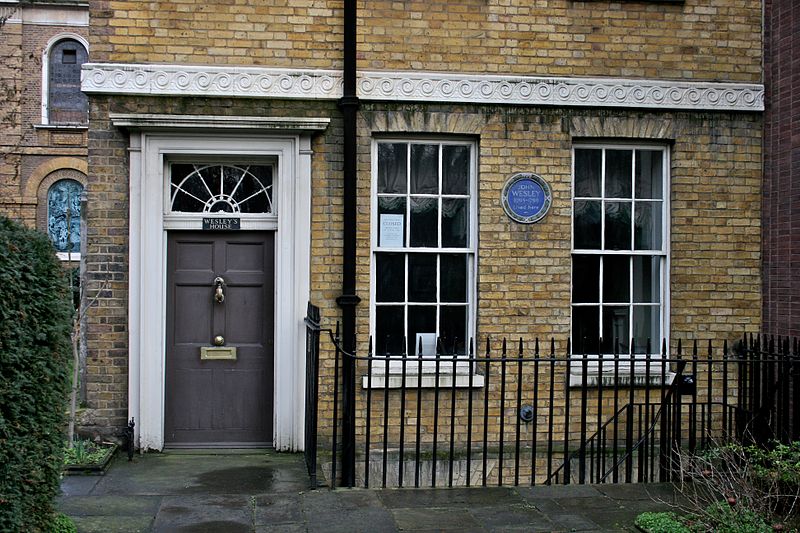
The good news is that we already have a basic blueprint for how to help people embrace faith in Jesus and become his apprentices. Methodist discipline, or the method that gave Methodism its name, was focused on helping people become deeply committed Christians, to become mature followers of Jesus Christ … The biggest challenge contemporary Wesleyans may face is our
This is a portion of the sermon preached on December 27, 2013, at the funeral service for Bishop McAlilly’s nephew Gale Stauffer, who was killed in the line of duty December 23, serving on the Police Force of the city of Tupelo, Mississippi. … little did we know that on this day of days, we would find ourselves moving so

Prevenient grace does not depend on any power or merit in man; no, not in any degree, neither in whole, nor in part. It does not in any wise depend either on the good works or righteousness of the receiver; not on anything he has done or anything he is. It does not depend on his endeavors. It does not

I received an e-mail from a pastor in Tennessee a few days ago posing this question: A church member asked me to recommend a biography on John Wesley, and I didn’t know what to suggest. Wondering if you could suggest something? That’s not an infrequent request to get for a seminary professor who teaches Methodist history. When I get an

I was thirty-two years old when a woman took my advice on how to die. Sitting in her low living room banked with windows that overlooked butterfly-laden bushes, I watched her shallow breaths. She had lost strength and energy: her frame seemed diminished, as if her soul were clinging to her body by mere tendrils. While disease sapped her vitality,
The weight of Christian worship history testifies that the Sunday service is primarily a gathering of, and for, the faithful. This is not to say that we shouldn’t consider how our worship services can best speak in the language of our local contexts. It isn’t to say that we shouldn’t consider if our gatherings are marked with radical hospitality and
Wesley knew how to be abased and how to abound. He intended, as did his brother John, to live all of life under God’s hand, whatever the circumstances of any given day.
Though it may seem to be the most difficult to define of the three, Wesley insists on including spirit with doctrine and discipline because right doctrine (belief) and right discipline (practice) are not enough in themselves.

There is a phrase in Wesleyan theology that holds the key to understanding most everything about present salvation. The phrase is “holiness of heart and life.” This is one of those terms that seems simple at first glance and yet is packed with meaning on multiple levels. It’s also a term worth exploring, and I want to explore it here.
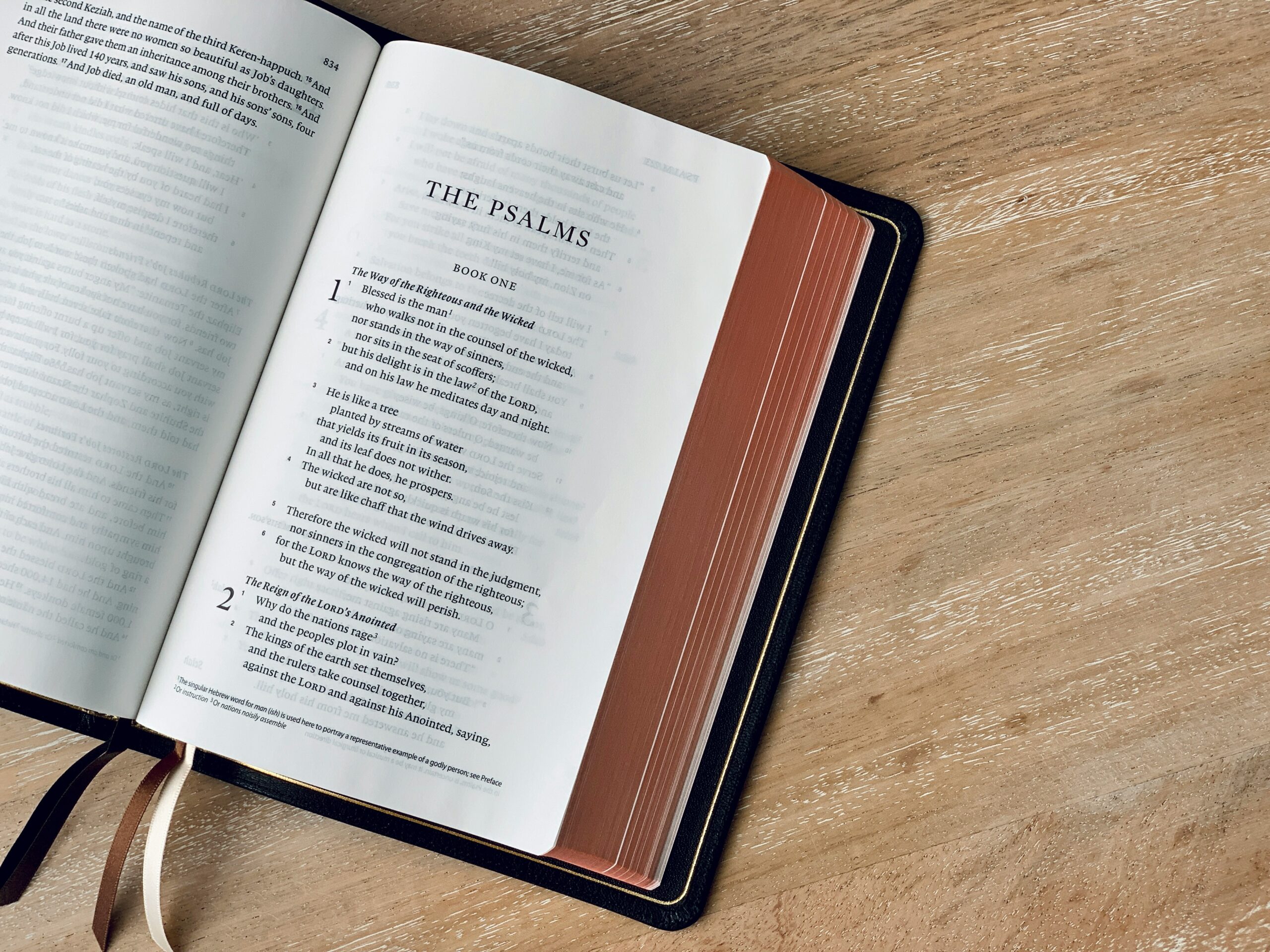
I didn’t immediately fall in love with the Psalms. I found them to be hard to understand and a little dusty. Then some hard things happened in my life and I landed on a few Psalms that became prayers when I didn’t know what to pray. When my mother died, Psalm 42 became my lifeline. Psalm 116 was my testimony in a season when
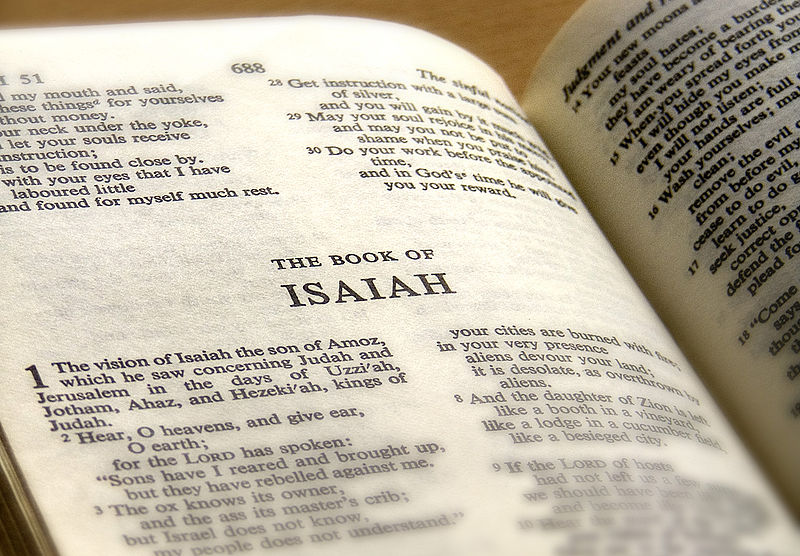
It happens to all of us. An old song or movie comes on, and somewhere, out of the depths of your dusty brain, a reflex kicks in. Before you know it, you’re singing words you didn’t know you remembered, or you’re quoting a line right before the actor says it. It’s like muscle memory, hidden deep beneath years of doctor

What damage can be done if people exercise their spiritual gifts without love?

Lent is a season of clarity. We already sit among the ashes. We already sit in cities made in our own image.

Simcha Bunim was a Jewish rabbi who lived in Poland in the 1700s. He is best known for what might be called the parable of the two pockets. The parable begins with two slips of paper. On one slip is written, “I am dust and ashes.” On the other slip is written, “For my sake the world was created.” These

As we prepare to enter into the season of Lent, there is always a call to fasting. That is one of the definitive features of this time of Lent. It is a time to pull back from all the abundance of our life, particularly for those of us in the West, and to refocus ourselves upon God, on our great

As the Church, it would be foolish to believe we have not participated or contributed in some way. We can confess the ways we have corporately and personally upheld this power dynamic, repent and seek to turn it upside down.
Men who object to women taking central roles in the church might want to remember what place the women took in the gospels: at the foot of the cross, present with Christ, at the moment when God himself was pierced and blood and water flowed.

I’ve seen a lot of death. Not just because my husband has a full-time pastoral calling, but also because my parents never shielded me from the reality of death. Many parents today hesitate to take their children to funerals because, “they wouldn’t understand,” and that is true, but only to an extent. As a parent, it is my duty (privilege?)

Curiosity is underrated. In the past one hundred years, many North Americans have undergone a shift in how they’re described and in how they see themselves. We have gone from citizens to consumers. A few years back the hit drama “Mad Men” followed the lives of people in a booming advertising industry in post-World War II America. Citizens may benefit
Recently I read an article by seminary professor Kate Bowler that had me staring wide-eyed at the computer screen, alternately barking bursts of laughter, fist-pumping the air, and feeling tears sting the corners of my eyes. She walked up to the elephant in the room, reached out, touched it, gave it a treat, made friends with it, and sat down
We live in a culture marked by a dramatic lack of trust, and the Church is not exempt as a target for those feelings of suspicion. As the Body of Christ, we have some restorative work to do as we witness for the kingdom.

It’s Monday when most clergy members attempt to hide, read, or decompress. A few with churches large enough to afford a staff prefer post-game analysis on Mondays, parceling out Sabbath follow-up’s and sketching the week ahead. Many pastors enter Monday with a need to refuel – even the extroverts. And while the calendar reads January 29th, it can feel like
God, when we grow tired and weary, when we stumble and fall, lift our eyes to heaven and remind us to find our hope and strength in You.

Let’s explore how we are called to engage in the mission Dei through a Trinitarian lens. Lesslie Newbigin uses the theology of the Trinity to offer a theological ground for the understanding and practicing of the missio Dei. He explains, “He is the Son, sent by the Father and anointed by the Spirit to be the bearer of God’s kingdom
Close your eyes and imagine God turning towards you. What do you see? What might God see?

What sort of questions does the Resurrected Jesus ask? We’ve already seen that before the crucifixion, Jesus liked asking a question multiple times in different scenarios. In many cases we see his dialogues often contain a rapid succession of questions. In the final chapter of John we see the resurrected Jesus posing the same question multiple times to an old
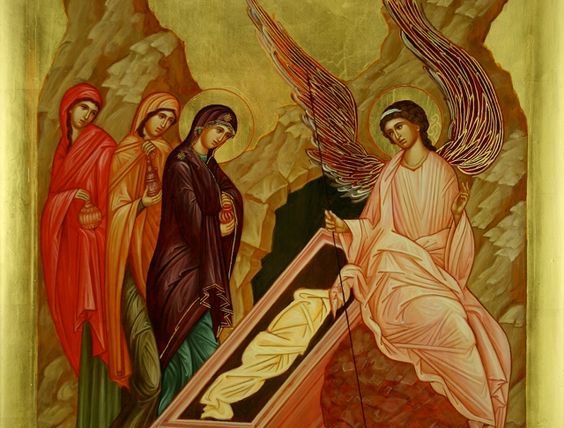
We need to regularly preach these stories (and others) to remind our congregations that the most important qualification for leading God’s people is not a Y-chromosome, but a faithful heart.
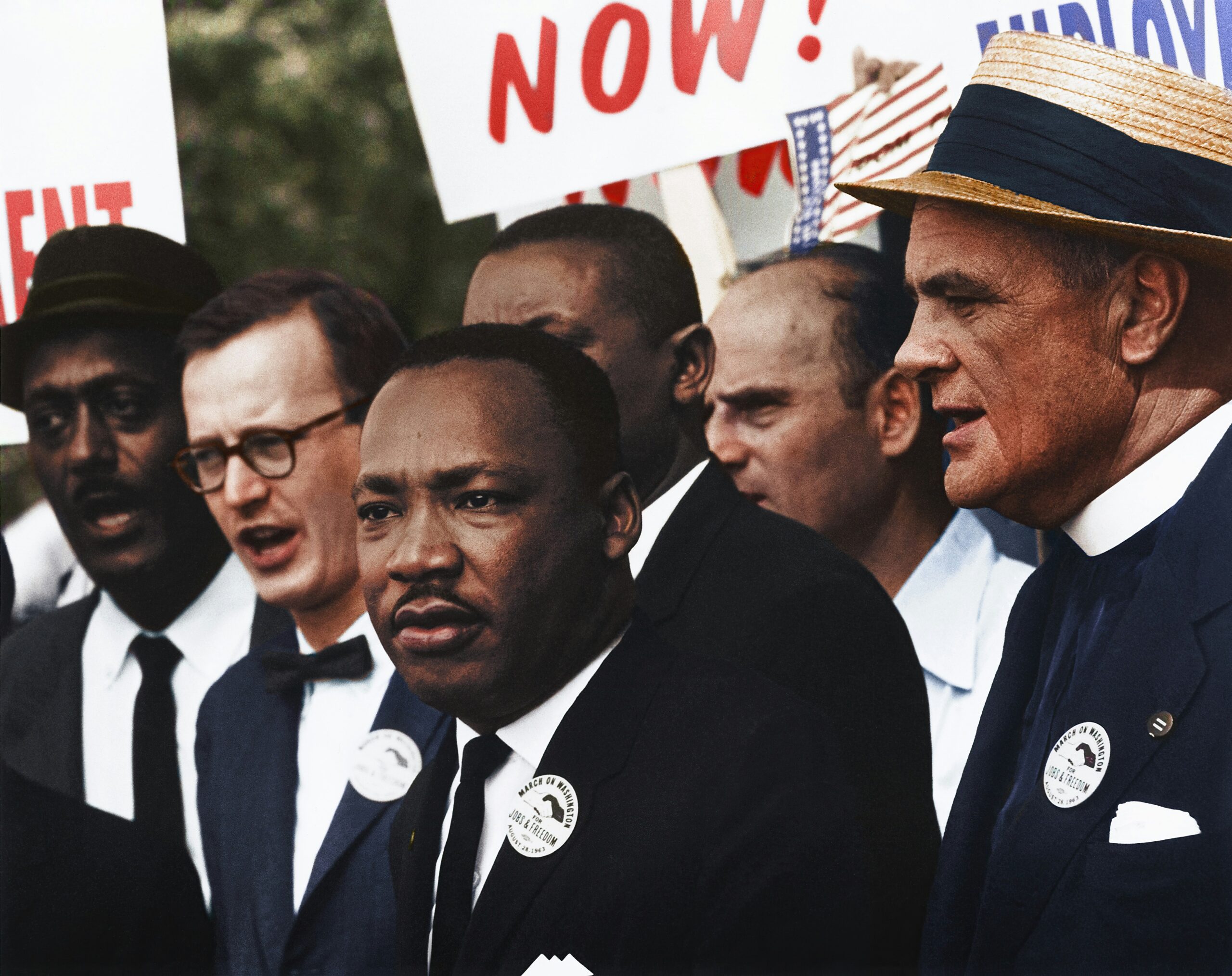
A Note from the Editor: Wesleyan Accent is pleased to share a rich chorus of voices who have answered questions posed in honor of Martin Luther King, Jr Day. Elizabeth Glass Turner In the United States, today we celebrate Dr. Martin Luther King, Jr Day. Many within our Wesleyan Methodist family observe this holiday in a variety of ways.

It’s that time of the year again. Usually, we pump ourselves up, decide to set goals or resolutions, and…end up failing, or not even beginning. Despite our defeats, good intentions are behind this resolution setting, with introspective, purposeful questions guiding the way. Who am I? What do I desire? What do I want to change about myself? Who do I