Flesh and Blood by Kim Reisman
Word and deed come together, as intimately entwined as breathing in and breathing out. Deciding which is more important depends on which you did last.

Word and deed come together, as intimately entwined as breathing in and breathing out. Deciding which is more important depends on which you did last.

I have a delicious no-fail sourdough bread recipe! It involves a three-step process spread over one and a half days. The key to the recipe is to give the bread dough time to “yeast” – Sue Monk Kidd’s word for allowing bread to rise. Kidd tells of making the bread with the assistance of her five year old daughter, Ann.
Waiting is hard. Many of us are tempted either to wait passively, like the foolish bridesmaids, or to take over and attempt to save ourselves by our own effort. Advent challenges both our complacency and our self-sufficiency.
Into this climate of fear and apprehension, Christmas enters,
Streaming lights of joy, ringing bells of hope
And singing carols of forgiveness high up in the bright air.
The world is encouraged to come away from rancor,
Come the way of friendship.
So, while we can and should sing of Christ’s return throughout the year, Advent presents a key opportunity to declare with clarity this crucial doctrine in our faith. And as Wesleyans we have a gem in Charles’ hymn, “Lo! He Comes With Clouds, Descending.”
By establishing the habits of observing other people’s sufferings, of taking time to notice the pain and fear around them, we teach our children a genuinely Christian ethic. And in this, my hope is that they become adults who care about justice and equality for everyone. My hope in conversations like this is to sensitize my children to the lived
Following Jesus is always easier when there are angels around. We have a significant spiritual experience. We make a commitment. We’re bold and excited. We think, I can do this. I believe this.
There may be others around us who are feeling that same way. They’ve taken on a new spiritual challenge. Made a new commitment. Maybe even their initial

One of the things that I love most about God is how God can take our small efforts, the things in our life that we don’t believe are good enough, and make them truly amazing. He can take our small, human efforts, and perform divine miracles with them. He can make the impossible, possible. Listen to what happens in John 6:
It’s so easy to forget. It’s so easy to lose touch with the source of life…how we got to where we are; all the blessing that have been poured out upon us. It’s easy to think that we are where we are today because of our own efforts.
As in every age, there is a need to speak truth to power. There is a need to reflect Jesus into the lives of others. There is a need for Christians everywhere to more fully become Godbearers, making the kingdom life visible, tangible and real.
Wisdom is not just an intelligence bomb that God drops on us one day when we get our first gray hair. It’s not an intellectual realization that hits us one day simply because we’re aged. We’ve all known older folks who are foolish. No, wisdom has less to do with gray hair and more to do with the experience of

You can look at some of the big picture issues of location and context and fear within Mark 5:1-19. Today I want to look at little bit a the people involved in this story: Jesus Heals the Gerasene Demoniac They came to the other side of the sea, to the country of the Gerasenes. And when he had stepped out
The first name given in creation was Adam. It means humanity.
The Scripture story tells us that God, through Jesus Christ, created all of humanity in his image and breathed into us the breath of life.
I thought of Adam when I saw the first hashtag given to Aylan’s story: Humanity Washed Ashore.

I can still see them. More than that, I can still sense them: The images from the first horror movie I encountered, unwittingly, at five or six years of age. This is more than a little disconcerting considering the images are rooted in the organ with which I make life’s major decisions. My brain is shaped, literally, with these images.

“Conduct yourselves wisely toward outsiders, making the most of the time. Let your speech always be gracious, seasoned with salt, so that you may know how you ought to answer everyone.” Colossians 4:5-6 “Now who will harm you if you are eager to do what is good? But even if you do suffer for doing what is right, you are blessed.
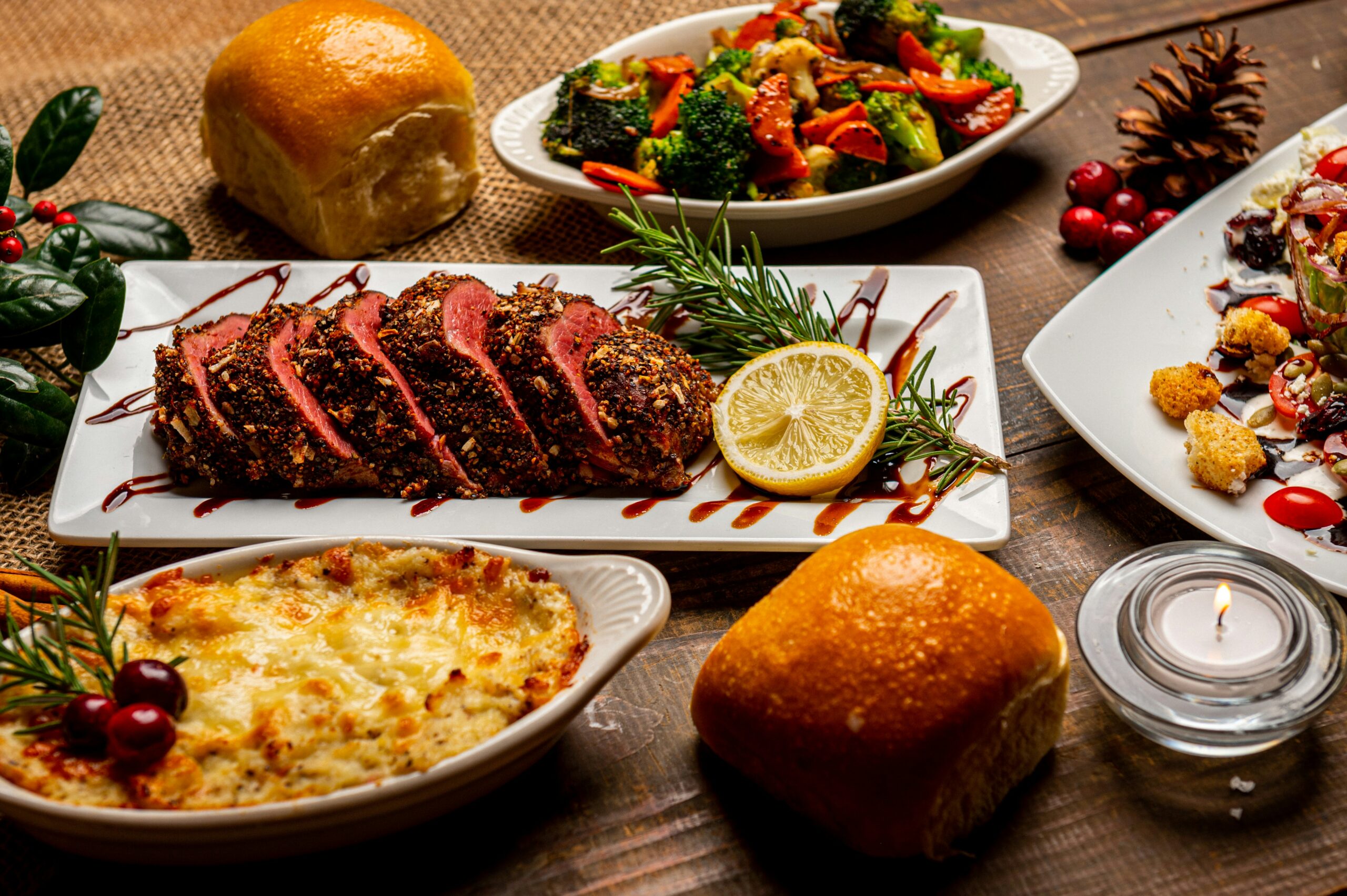
“What’s that song you’re humming?” my five-year-old asked as we sat parked in the ATM line. “I’m gonna feast at the table of the Lord…” I sang more loudly. “FEAST? What does THAT mean?” “It means to eat a of really nice food as a celebration, like a party,” came my made-up-on-the-spot-parenting reply. What does it mean to feast at the
He says that “in Christ,” through what Christ has done for us in his life, death and resurrection, through his empowering Spirit and inspiring example and our relationship with Christ, God is recreating, restoring us to what he originally intended us to be. The Greek word that Paul uses literally means a “masterpiece.”
Sociologist, historians, and theologians suggest that we are living in the midst of a paradigm shift. Young adults inhabit a different world than that of their parents.
The Lord took Peter, James, and John to a high mountain apart. It was essential, for their effectiveness, that He reveal facts about Him they did not yet know. It is important to note that they were separated from the others and it is not by accident that they journeyed to a high mountain apart. He had something to show

The global West’s current fundamental battle of narratives is whether or not there is a context to being human. The Christian (and Jewish) narrative, of course, affirms a theological context: human beings are made in God’s image. The conflicting contemporary narrative, growing with uncritical acceptance, is the denial of God’s image—or any image. Instead, this competing narrative argues that human