My Joshua Tree by Steve Beard
Through all this, Bono remains rock ‘n’ roll’s most effective spiritual provocateur. He sees every stage as a pulpit and every coliseum as a cathedral.

Through all this, Bono remains rock ‘n’ roll’s most effective spiritual provocateur. He sees every stage as a pulpit and every coliseum as a cathedral.

The church seems to be obsessed with numbers. We account for professions of faith, baptisms, membership and worship attendance, and these statistics for church health point to a crisis in the present and increasingly dismal view of the future. We seem to count everything. Even the founder of Methodism, John Wesley, made sure that every Methodist could be counted. However, it is my conviction
Scripture doesn’t describe causal prayer anywhere, but always about prayer that is a person emptying his or her heart to God of whatever emotions are there.
Kingdom-esteem leads to humility, because it involves recognizing that it’s not about us, it’s about what God has done for us.
God’s blessedness is already there, and we experience it when we seek God’s kingdom.

I like placing the deceased person’s story within the broader story God has been writing since the beginning of time.

Hell has dispatched some deceivers who are on the loose in your life!
Are our eyes as tuned to spiritual light as they are to physical light?
The joy God gives isn’t tied to happenstance, chance, or change. It is deeper, more lasting, and may even have some surprising components.
The Holy Spirit is always at work in the world and in the church regardless of the problems that we face and regardless of the darkness that seems to prevail.
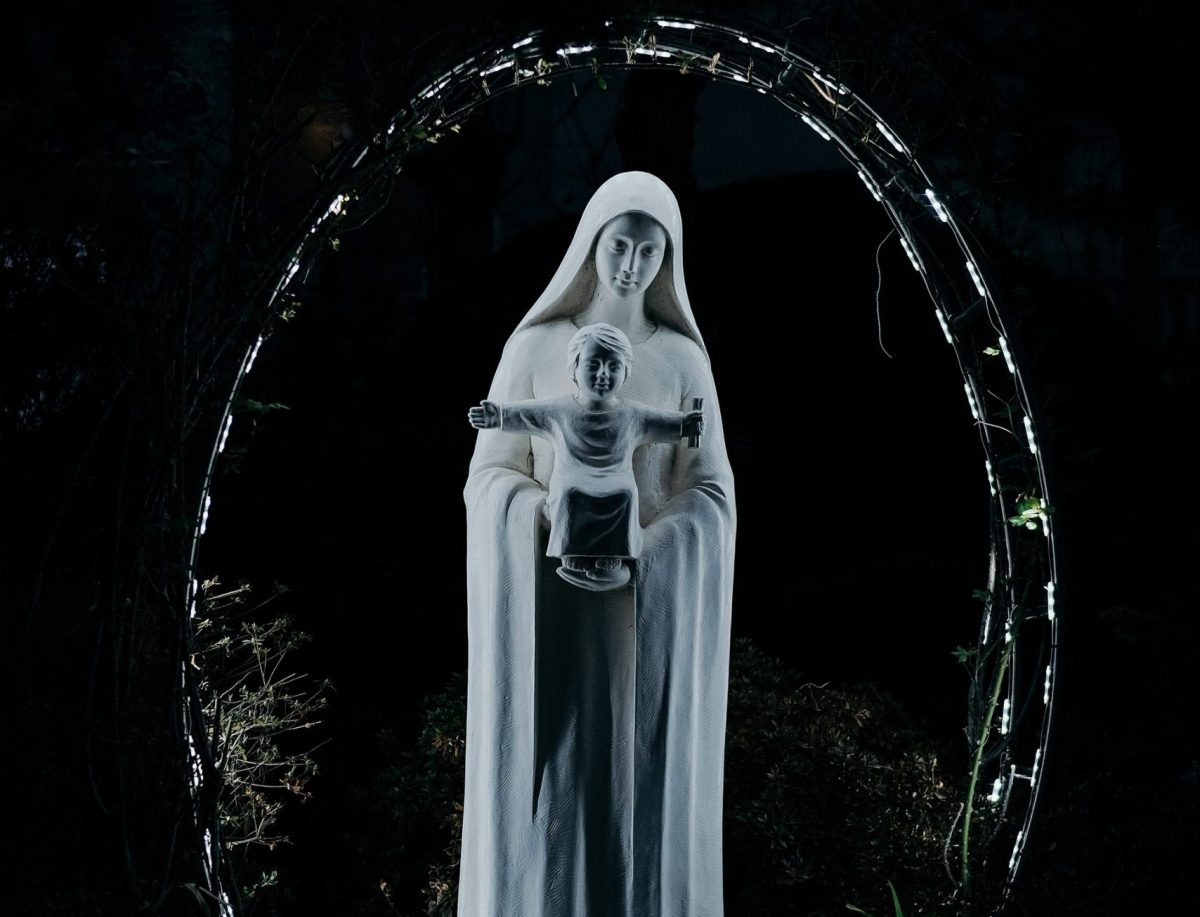
Here is a reality check as we move forward from the Christmas event: Mary may have been the first Godbearer. She may have been the ultimate Godbearer. But if you are in relationship with Jesus Christ, then you are a Godbearer too. Everyone who follows in the Jesus way is called to be a Godbearer. That is a huge part

The twelve days of Christmas are upon us at last! Advent, the church’s liturgical season of waiting and anticipation is over and the liturgical police can no longer write citations for early Christmas carols singing. For the past three and a half weeks, Christians following the liturgical calendar, have been singing hymns about waiting, expecting, anticipating the coming of Christ.
An intriguing commonality between those who follow the Jesus way and non believers is a general distaste for evangelism. Certainly this dislike doesn’t apply to everyone, believer or not; nor does it stem from an accurate understanding of what evangelism is all about. But the dislike is there…The negative image of the televangelist looms large in all our consciences.
The first verse of “Hark! the Herald Angels Sing” is an invitation to join the angels who announced Christ’s birth. In fact, Wesley wants all nations to rise and “join the triumph of the skies” in the tumultuous news, “Christ is born in Bethlehem!” Notice the exclamation point. Wesley was inclined that way. It’s hard to end all your sentences
There aren’t many times in the life of the church where people sit down and say, “Please teach me doctrine.” As a theology nerd, I wish it would happen more. But it just doesn’t happen that much.
Advent is primarily about looking through the baby in the manger to see Christ the King coming on the clouds in glory. The problem for Methodists is that, for decades, we did not have a single hymn in the Methodist hymnal that explicitly referenced the Lord’s physical return.
When I was in 8th grade, my family lived for a bit in some low income apartments. The apartment complex was formed in a square with a decent sized courtyard in the middle. In the courtyard was where all the dramatic action was – this is where kids got in fistfights with each other, where drug deals happened after dark,

Wesleyan Accent is excited to welcome Ellsworth Kalas who will be contributing regular reflections on Wesleyan hymns. His first highlights Charles Wesley’s wonderful Advent hymn, “Come, Thou Long-Expected Jesus.”
Familiarity sometimes breeds dullness. It’s true in the whole of life; it is especially true in the way we hear things and reflect on what we hear. The hymns we sing are a great example of this. If we have sung them often, we are so familiar with the tunes that we sing the words by rote. Not only do

How should we “read” John Wesley? And why is he important for people today? These are important questions for Methodists, most of whom consider themselves to be Wesleyans in some sense. Focusing on the actual theology of John Wesley has not always been emphasized in American Methodism. For much of the 19th and 20th centuries, Wesley was treated in “hagiographic”