Facing the Pain of Passionate Faith by Kim Reisman
Jesus was full of passion, which makes following in the Jesus way a passionate endeavor.

Jesus was full of passion, which makes following in the Jesus way a passionate endeavor.

Everybody goes through seasons of spiritual “stuckness,” days or weeks or sometimes even months when you just can’t seem to get out of your spiritual bad mood. If you’ve had that experience or are there now, you’re not alone. This is a normal part of the spiritual journey. It is not a sign of weakness; to the contrary, it may well

You and I are called to be personally engaged in making disciples of Jesus Christ.
To follow Jesus up close, rather than at a distance, we must base our lives on the reality of faith rather than the reality of fear.

It’s not a time to micromanage, but it is a time to glance at the big picture and identify potential trouble spots and retrain the growth to expand in the direction you’re aiming for.
The book is called ”The Book of Everyday Prayer,” and it’s for everyone who, like me, needs more than what comes off the top of their head.
If we are to hear the voice of God, and thus have an understanding of what it means to follow Jesus in real time, we must surround ourselves with the language and voice of God.
As we rehearse our vision of faith over and over, keeping it ever before us, it strengthens and sustains us, remaining intact as a source of strength during times of crisis and resistance.

Recovery is characterized by relapse. I wish someone had told me this a long time ago, before I lost patience with people who desperately need my patience. Relapse is what happens when people give up a powerfully magnetic addiction only to find themselves at some point giving into the temptation to try it again. It happens. Relapse doesn’t mean a

God offers Elijah, and us, three specific spiritual resources: visioning, speaking, and acting.

It’s Monday when most clergy members attempt to hide, read, or decompress. A few with churches large enough to afford a staff prefer post-game analysis on Mondays, parceling out Sabbath follow-up’s and sketching the week ahead. Many pastors enter Monday with a need to refuel – even the extroverts. And while the calendar reads January 29th, it can feel like
God, when we grow tired and weary, when we stumble and fall, lift our eyes to heaven and remind us to find our hope and strength in You.

Let’s explore how we are called to engage in the mission Dei through a Trinitarian lens. Lesslie Newbigin uses the theology of the Trinity to offer a theological ground for the understanding and practicing of the missio Dei. He explains, “He is the Son, sent by the Father and anointed by the Spirit to be the bearer of God’s kingdom
Close your eyes and imagine God turning towards you. What do you see? What might God see?

What sort of questions does the Resurrected Jesus ask? We’ve already seen that before the crucifixion, Jesus liked asking a question multiple times in different scenarios. In many cases we see his dialogues often contain a rapid succession of questions. In the final chapter of John we see the resurrected Jesus posing the same question multiple times to an old
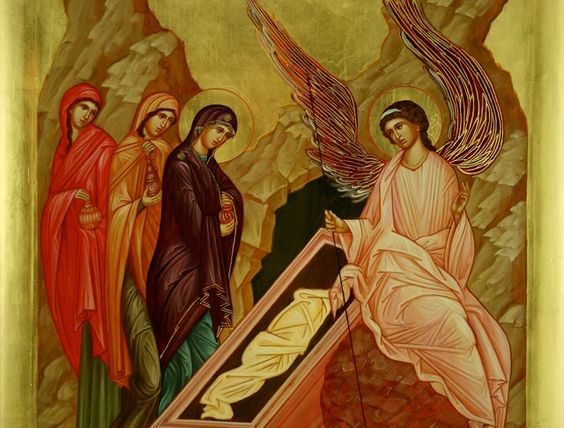
We need to regularly preach these stories (and others) to remind our congregations that the most important qualification for leading God’s people is not a Y-chromosome, but a faithful heart.
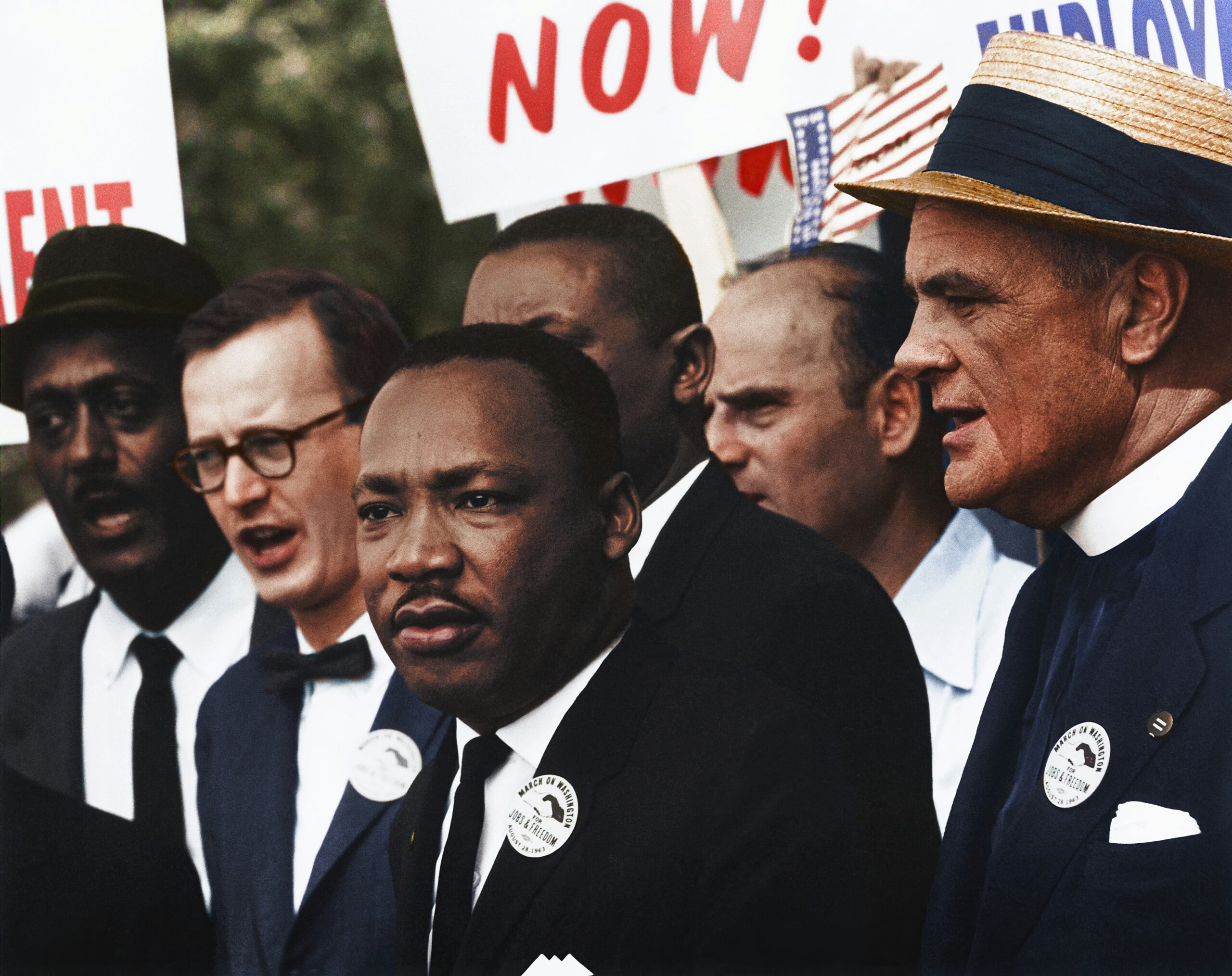
A Note from the Editor: Wesleyan Accent is pleased to share a rich chorus of voices who have answered questions posed in honor of Martin Luther King, Jr Day. Elizabeth Glass Turner In the United States, today we celebrate Dr. Martin Luther King, Jr Day. Many within our Wesleyan Methodist family observe this holiday in a variety of ways.

It’s that time of the year again. Usually, we pump ourselves up, decide to set goals or resolutions, and…end up failing, or not even beginning. Despite our defeats, good intentions are behind this resolution setting, with introspective, purposeful questions guiding the way. Who am I? What do I desire? What do I want to change about myself? Who do I
It is not perfection that makes a love great, it is its willingness to persevere through the hardship, challenge, and pain.
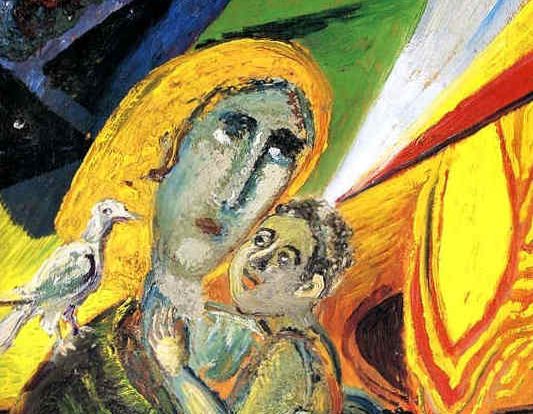
If there is one aspect of Jesus’ life that can help us gain insight into his mission, it is when he said: “My peace I [give] to you.” (Jn. 14:27) After his resurrection, this was a very particular way in which Jesus greeted the disciples: by saying “peace be with you.” Note John 20:21, when Jesus said, “Peace be with