
Lent: There Is a River and There Is a City by Justus Hunter
Lent is a season of clarity. We already sit among the ashes. We already sit in cities made in our own image.

Lent is a season of clarity. We already sit among the ashes. We already sit in cities made in our own image.

Simcha Bunim was a Jewish rabbi who lived in Poland in the 1700s. He is best known for what might be called the parable of the two pockets. The parable begins with two slips of paper. On one slip is written, “I am dust and ashes.” On the other slip is written, “For my sake the world was created.” These

As we prepare to enter into the season of Lent, there is always a call to fasting. That is one of the definitive features of this time of Lent. It is a time to pull back from all the abundance of our life, particularly for those of us in the West, and to refocus ourselves upon God, on our great

As the Church, it would be foolish to believe we have not participated or contributed in some way. We can confess the ways we have corporately and personally upheld this power dynamic, repent and seek to turn it upside down.
Men who object to women taking central roles in the church might want to remember what place the women took in the gospels: at the foot of the cross, present with Christ, at the moment when God himself was pierced and blood and water flowed.

I’ve seen a lot of death. Not just because my husband has a full-time pastoral calling, but also because my parents never shielded me from the reality of death. Many parents today hesitate to take their children to funerals because, “they wouldn’t understand,” and that is true, but only to an extent. As a parent, it is my duty (privilege?)
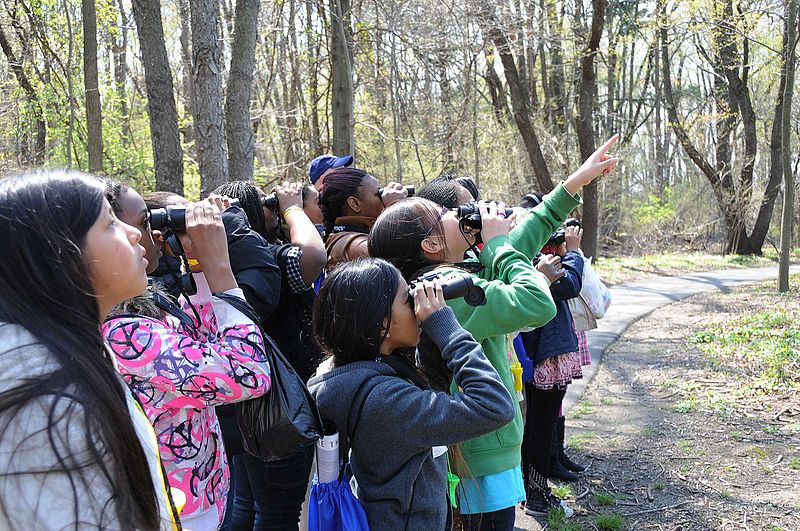
Curiosity is underrated. In the past one hundred years, many North Americans have undergone a shift in how they’re described and in how they see themselves. We have gone from citizens to consumers. A few years back the hit drama “Mad Men” followed the lives of people in a booming advertising industry in post-World War II America. Citizens may benefit

Recently I read an article by seminary professor Kate Bowler that had me staring wide-eyed at the computer screen, alternately barking bursts of laughter, fist-pumping the air, and feeling tears sting the corners of my eyes. She walked up to the elephant in the room, reached out, touched it, gave it a treat, made friends with it, and sat down
We live in a culture marked by a dramatic lack of trust, and the Church is not exempt as a target for those feelings of suspicion. As the Body of Christ, we have some restorative work to do as we witness for the kingdom.

It’s Monday when most clergy members attempt to hide, read, or decompress. A few with churches large enough to afford a staff prefer post-game analysis on Mondays, parceling out Sabbath follow-up’s and sketching the week ahead. Many pastors enter Monday with a need to refuel – even the extroverts. And while the calendar reads January 29th, it can feel like

I have a delicious no-fail sourdough bread recipe! It involves a three-step process spread over one and a half days. The key to the recipe is to give the bread dough time to “yeast” – Sue Monk Kidd’s word for allowing bread to rise. Kidd tells of making the bread with the assistance of her five year old daughter, Ann.
Waiting is hard. Many of us are tempted either to wait passively, like the foolish bridesmaids, or to take over and attempt to save ourselves by our own effort. Advent challenges both our complacency and our self-sufficiency.
Into this climate of fear and apprehension, Christmas enters,
Streaming lights of joy, ringing bells of hope
And singing carols of forgiveness high up in the bright air.
The world is encouraged to come away from rancor,
Come the way of friendship.
So, while we can and should sing of Christ’s return throughout the year, Advent presents a key opportunity to declare with clarity this crucial doctrine in our faith. And as Wesleyans we have a gem in Charles’ hymn, “Lo! He Comes With Clouds, Descending.”
By establishing the habits of observing other people’s sufferings, of taking time to notice the pain and fear around them, we teach our children a genuinely Christian ethic. And in this, my hope is that they become adults who care about justice and equality for everyone. My hope in conversations like this is to sensitize my children to the lived
Following Jesus is always easier when there are angels around. We have a significant spiritual experience. We make a commitment. We’re bold and excited. We think, I can do this. I believe this.
There may be others around us who are feeling that same way. They’ve taken on a new spiritual challenge. Made a new commitment. Maybe even their initial

One of the things that I love most about God is how God can take our small efforts, the things in our life that we don’t believe are good enough, and make them truly amazing. He can take our small, human efforts, and perform divine miracles with them. He can make the impossible, possible. Listen to what happens in John 6:
It’s so easy to forget. It’s so easy to lose touch with the source of life…how we got to where we are; all the blessing that have been poured out upon us. It’s easy to think that we are where we are today because of our own efforts.
As in every age, there is a need to speak truth to power. There is a need to reflect Jesus into the lives of others. There is a need for Christians everywhere to more fully become Godbearers, making the kingdom life visible, tangible and real.
The land where I did not want to be was becoming the land of my blessing.