
When Are We Most Like God? by Maxie Dunnam
Compassion comes from a deliberate identification with another person until we see things as he sees them, and feel things as she feels them. That’s the place to which God seeks to bring all of us.

Compassion comes from a deliberate identification with another person until we see things as he sees them, and feel things as she feels them. That’s the place to which God seeks to bring all of us.

Around the time the Methodist revival in England completed its first decade, John Wesley penned an essay called A Plain Account of the People Called Methodists. His aim is to explain the Methodist movement to the larger world, which he does by describing the various internal components of the revival that had developed during Methodism’s first ten years. One of

I’m a Yankee. Specifically, I was born in central Michigan, where the air is scented with pine needles and damp sand. I live in northeastern Texas – a region known for its own Piney Woods – but a world away from the cornfields of the Midwest, where I grew up. It may seem like a small question, but how does

I frequently lead workshops on prayer, which I always find kind of odd because I’ve never felt myself to be much of an expert on that kind of thing. Prayer is hard work for me; it’s meaningful, but it’s hard. During my workshops I always focus at some point on intercessory prayer – prayer for needs beyond our own –
Charles Wesley wrote songs for sinners. For those who were lost in sin, his hymns promised salvation, and for those who had come to Christ they were hymns that celebrated the day when it happened… These hymns are as true as ever and it is only our spiritual and doctrinal naivete that keeps us from seeing it.

Acts 17:16-34 contains Paul’s message to the Athenians at the Areopagus. Athens was considered the intellectual capital of the world. It was home to Socrates, Plato and Aristotle. Paul came to Athens during his second mission trip, seeking refuge. Earlier, he had been run out of Thessalonica by the synagogue crowd. He found a more congenial reception in Beroea, until
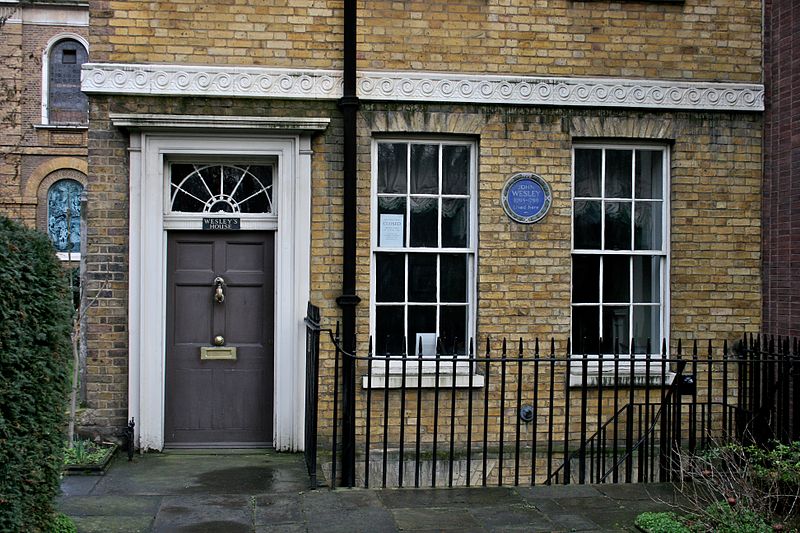
The good news is that we already have a basic blueprint for how to help people embrace faith in Jesus and become his apprentices. Methodist discipline, or the method that gave Methodism its name, was focused on helping people become deeply committed Christians, to become mature followers of Jesus Christ … The biggest challenge contemporary Wesleyans may face is our
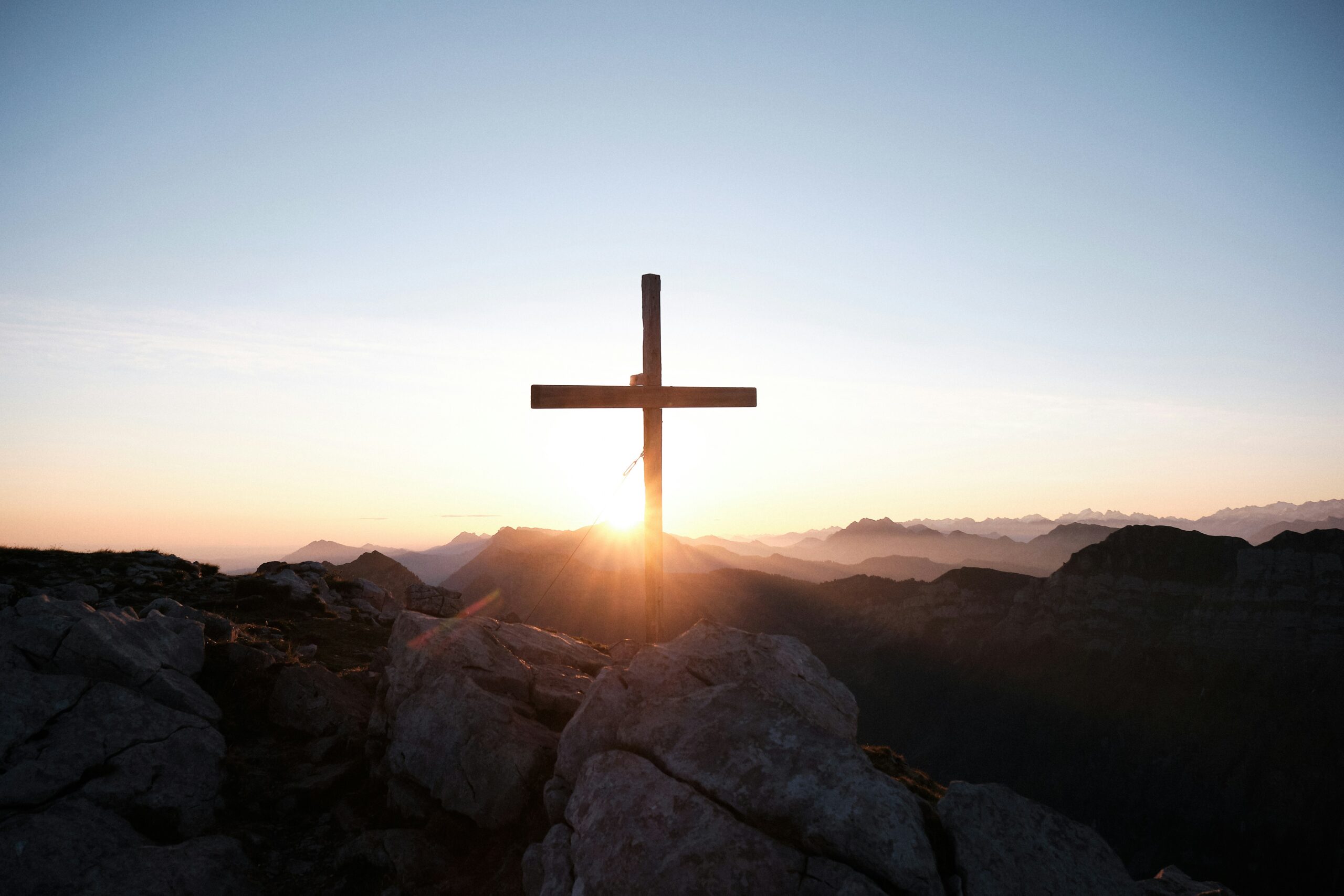
This is a portion of the sermon preached on December 27, 2013, at the funeral service for Bishop McAlilly’s nephew Gale Stauffer, who was killed in the line of duty December 23, serving on the Police Force of the city of Tupelo, Mississippi. … little did we know that on this day of days, we would find ourselves moving so

Prevenient grace does not depend on any power or merit in man; no, not in any degree, neither in whole, nor in part. It does not in any wise depend either on the good works or righteousness of the receiver; not on anything he has done or anything he is. It does not depend on his endeavors. It does not

I received an e-mail from a pastor in Tennessee a few days ago posing this question: A church member asked me to recommend a biography on John Wesley, and I didn’t know what to suggest. Wondering if you could suggest something? That’s not an infrequent request to get for a seminary professor who teaches Methodist history. When I get an

Why didn’t Jesus take up the sword? Why isn’t that the means by which to overcome evil? Walter Wink says something quite remarkable about Jesus’ point here: “Violent revolution fails because it is not revolutionary enough. It changes the rulers but not the rules, the ends but not the means.”

The early Methodists were known as people who died well. They had grace and assurance of God’s love and forgiveness for them, so they did not fear death. Furthermore, Wesley made it a point to share the stories of those who died and went on to glory.

Northumbria. Nether Springs. Lindisfarne. Holy Island. For years I casually entertained the hopes I might visit the Northumbrian Community that produced Celtic Daily Prayer. Inquiries to the community recommended a minimum stay of two nights and three days. Required trips to the United Kingdom for PhD residency never quite afforded the wiggle room on either end to steal away for

One of the prayers I heard a lot growing up was a simple if loaded take on, “thy will be done.” Praying, “thy will be done,” is not only biblical, Jesus himself prayed it in the Garden of Gethsemane, which is a pretty compelling model to follow. The prayer I heard repeatedly was this: “open and close doors as You
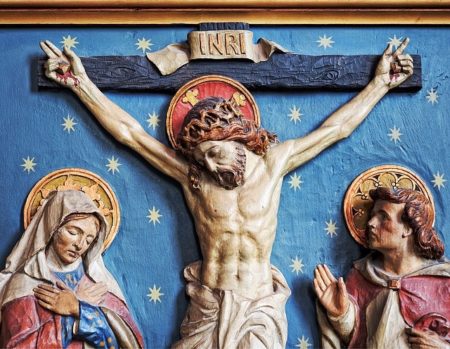
A celebration of Easter without a prior descent into the grave is dishonest and naïve, just as observing Lent without the uncompromising proclamation of the Resurrection is hopeless.
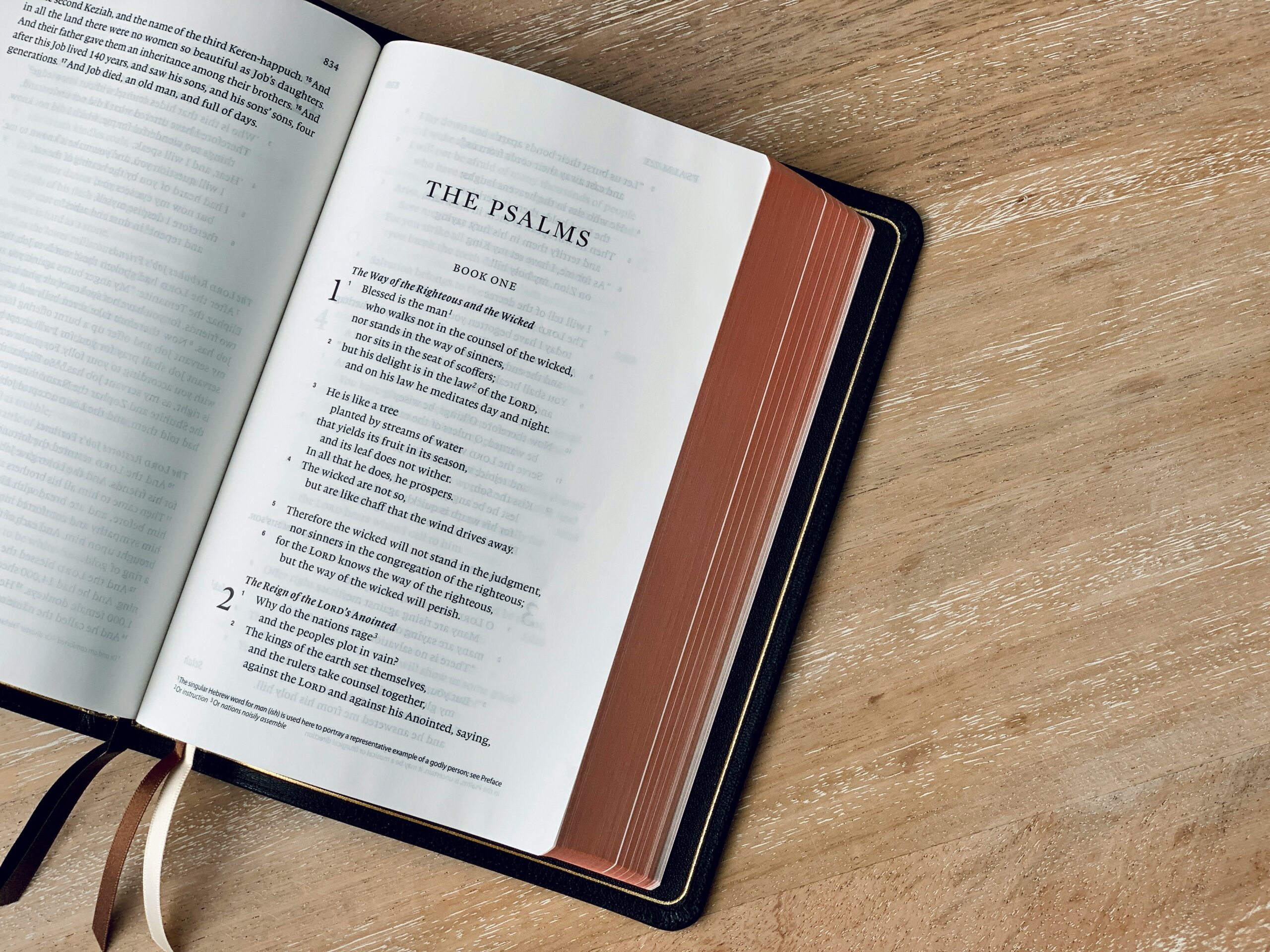
I didn’t immediately fall in love with the Psalms. I found them to be hard to understand and a little dusty. Then some hard things happened in my life and I landed on a few Psalms that became prayers when I didn’t know what to pray. When my mother died, Psalm 42 became my lifeline. Psalm 116 was my testimony in a season when
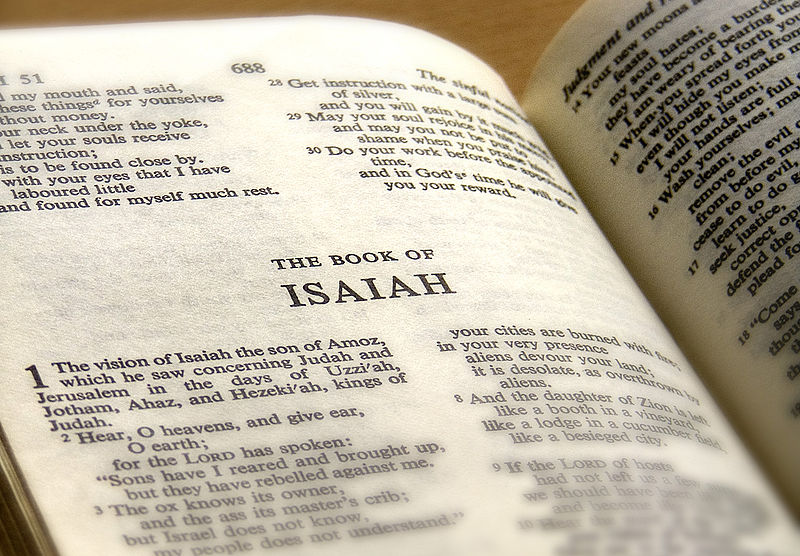
It happens to all of us. An old song or movie comes on, and somewhere, out of the depths of your dusty brain, a reflex kicks in. Before you know it, you’re singing words you didn’t know you remembered, or you’re quoting a line right before the actor says it. It’s like muscle memory, hidden deep beneath years of doctor

What damage can be done if people exercise their spiritual gifts without love?

Lent is a season of clarity. We already sit among the ashes. We already sit in cities made in our own image.

Simcha Bunim was a Jewish rabbi who lived in Poland in the 1700s. He is best known for what might be called the parable of the two pockets. The parable begins with two slips of paper. On one slip is written, “I am dust and ashes.” On the other slip is written, “For my sake the world was created.” These