The Methodist Band Meeting: Confession Is For Protestants Too by Kevin Watson
Methodists gathered together because they were convinced that growth in holiness was most likely to happen in community.

Methodists gathered together because they were convinced that growth in holiness was most likely to happen in community.
We know that what we do here in Holy Communion is look forward to that day when life will finally be the way God wants it to be.

This is not an anti-technology diatribe. There are enough diatribes in the world, I think: talking heads, Facebook rants, raised fists and honking horns etching anger for a permanent moment of rush hour that hangs now in the universe reflecting our contorted faces back to us. What if I died in that moment? The moment of my life when my
God’s word is better delivered in obscurity than by celebrity. The greatest impact usually happens when no one notices.
It’s a mistake to criticize questioning by and in itself. An unexamined life is not worth living, and an unexamined faith will last about as long as Farrah Fawcett hair, Hammer pants, beanie babies, MySpace, “Gangnam Style” and every other grass that withers and flower that doth fade away.
Beginning at the point of our believing that it is God’s desire to forgive, confession becomes not a morbid discipline, not a dark groveling in the mud and mire of life, not a fearful response to a wrathful, angry God who is out to get us if we don’t shape up. Rather, confession becomes an act of anticipation, a response
New is unknown, and often we are afraid of the “what if” questions in our lives. But new is happening every day.

It began with Jesus, who invited twelve guys to quit their day jobs and enroll in a three-year intensive, seminary-level program. By following Jesus, these guys learned Hebrew Bible, pastoral care, prayer and healing, theology, missions and evangelism, preaching and economics. At the end of three years, Jesus declared them ready (in fact, he called them his peers) and commissioned
When we refuse to be silent we are saying that we have nothing left to learn or that God has nothing left to say to us.
By the time most of us get to be adults, we have accumulated a great deal of stuff. We’ve learned so many wrong things, stored up so much misinformation, learned to respond in so many destructive ways, adopted all the biting, snarling, snippy styles of relating, become secretive and cynical. We carry a lot of stuff around, and it burdens
Close your eyes and imagine God turning towards you. What do you see? What might God see?

What sort of questions does the Resurrected Jesus ask? We’ve already seen that before the crucifixion, Jesus liked asking a question multiple times in different scenarios. In many cases we see his dialogues often contain a rapid succession of questions. In the final chapter of John we see the resurrected Jesus posing the same question multiple times to an old
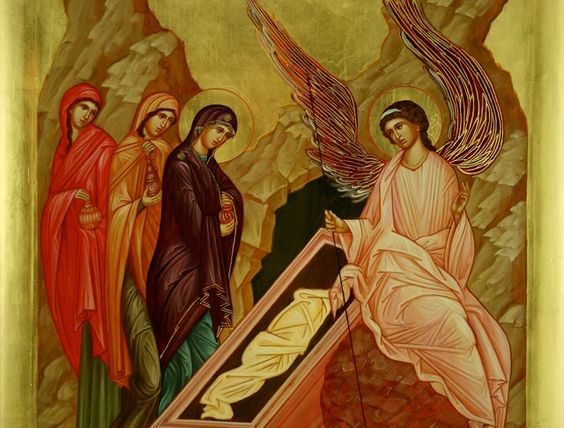
We need to regularly preach these stories (and others) to remind our congregations that the most important qualification for leading God’s people is not a Y-chromosome, but a faithful heart.
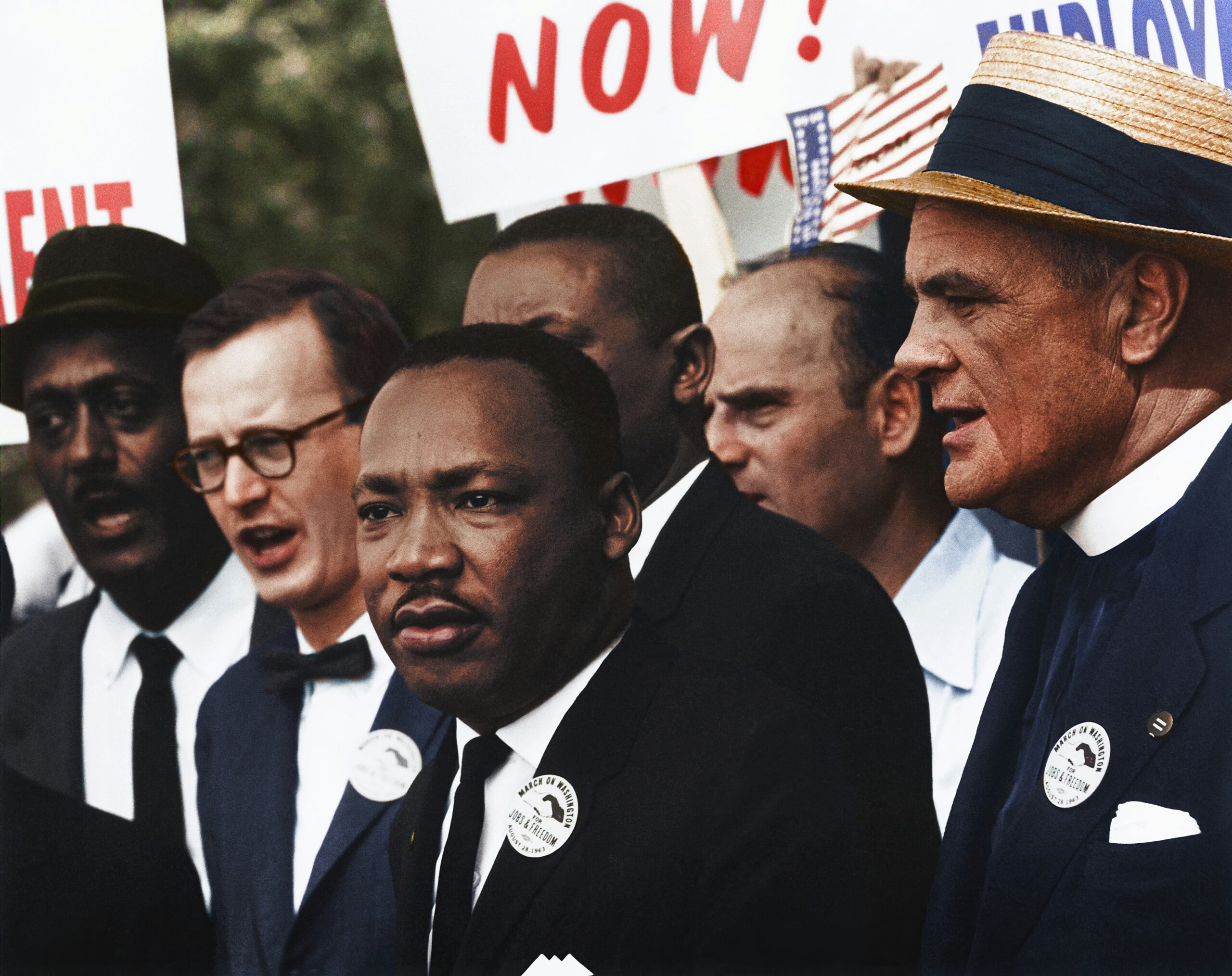
A Note from the Editor: Wesleyan Accent is pleased to share a rich chorus of voices who have answered questions posed in honor of Martin Luther King, Jr Day. Elizabeth Glass Turner In the United States, today we celebrate Dr. Martin Luther King, Jr Day. Many within our Wesleyan Methodist family observe this holiday in a variety of ways.

It’s that time of the year again. Usually, we pump ourselves up, decide to set goals or resolutions, and…end up failing, or not even beginning. Despite our defeats, good intentions are behind this resolution setting, with introspective, purposeful questions guiding the way. Who am I? What do I desire? What do I want to change about myself? Who do I
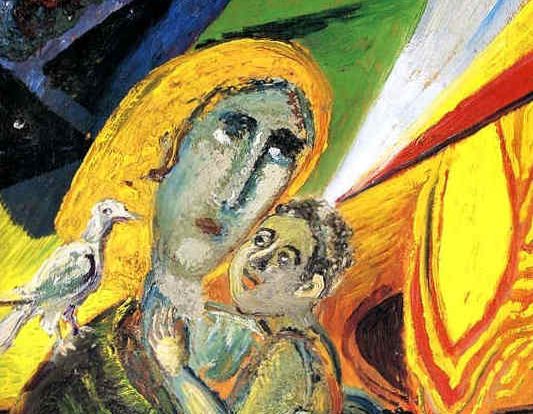
If there is one aspect of Jesus’ life that can help us gain insight into his mission, it is when he said: “My peace I [give] to you.” (Jn. 14:27) After his resurrection, this was a very particular way in which Jesus greeted the disciples: by saying “peace be with you.” Note John 20:21, when Jesus said, “Peace be with
It is not perfection that makes a love great, it is its willingness to persevere through the hardship, challenge, and pain.

The problem with assuming we know the details is that often reality differs significantly. Then it becomes easy to question our calling.

It is the time of year when resolutions abound. Or if not resolutions, goals. Maybe goals are too weighty a burden: maybe wishes. It is the time of year when wishes abound. Despite the popularity of making “New Year’s Resolutions” – and despite the popularity of articles detailing how to make resolutions “stick” – most people know that lasting life

How do we understand and define what the church is constituted to be? To answer this question, one must first ask: what is the mission of the church? The Missio Dei The first thing to notice in this question is the assumption that the mission is of the church. Here lies significant misunderstanding and misplaced value: the mission is not