The Methodist Band Meeting: Confession Is For Protestants Too by Kevin Watson
Methodists gathered together because they were convinced that growth in holiness was most likely to happen in community.

Methodists gathered together because they were convinced that growth in holiness was most likely to happen in community.
We know that what we do here in Holy Communion is look forward to that day when life will finally be the way God wants it to be.

This is not an anti-technology diatribe. There are enough diatribes in the world, I think: talking heads, Facebook rants, raised fists and honking horns etching anger for a permanent moment of rush hour that hangs now in the universe reflecting our contorted faces back to us. What if I died in that moment? The moment of my life when my
God’s word is better delivered in obscurity than by celebrity. The greatest impact usually happens when no one notices.
It’s a mistake to criticize questioning by and in itself. An unexamined life is not worth living, and an unexamined faith will last about as long as Farrah Fawcett hair, Hammer pants, beanie babies, MySpace, “Gangnam Style” and every other grass that withers and flower that doth fade away.
Beginning at the point of our believing that it is God’s desire to forgive, confession becomes not a morbid discipline, not a dark groveling in the mud and mire of life, not a fearful response to a wrathful, angry God who is out to get us if we don’t shape up. Rather, confession becomes an act of anticipation, a response
New is unknown, and often we are afraid of the “what if” questions in our lives. But new is happening every day.

It began with Jesus, who invited twelve guys to quit their day jobs and enroll in a three-year intensive, seminary-level program. By following Jesus, these guys learned Hebrew Bible, pastoral care, prayer and healing, theology, missions and evangelism, preaching and economics. At the end of three years, Jesus declared them ready (in fact, he called them his peers) and commissioned
When we refuse to be silent we are saying that we have nothing left to learn or that God has nothing left to say to us.
By the time most of us get to be adults, we have accumulated a great deal of stuff. We’ve learned so many wrong things, stored up so much misinformation, learned to respond in so many destructive ways, adopted all the biting, snarling, snippy styles of relating, become secretive and cynical. We carry a lot of stuff around, and it burdens
Why didn’t Jesus take up the sword? Why isn’t that the means by which to overcome evil? Walter Wink says something quite remarkable about Jesus’ point here: “Violent revolution fails because it is not revolutionary enough. It changes the rulers but not the rules, the ends but not the means.”

The early Methodists were known as people who died well. They had grace and assurance of God’s love and forgiveness for them, so they did not fear death. Furthermore, Wesley made it a point to share the stories of those who died and went on to glory.

Northumbria. Nether Springs. Lindisfarne. Holy Island. For years I casually entertained the hopes I might visit the Northumbrian Community that produced Celtic Daily Prayer. Inquiries to the community recommended a minimum stay of two nights and three days. Required trips to the United Kingdom for PhD residency never quite afforded the wiggle room on either end to steal away for

One of the prayers I heard a lot growing up was a simple if loaded take on, “thy will be done.” Praying, “thy will be done,” is not only biblical, Jesus himself prayed it in the Garden of Gethsemane, which is a pretty compelling model to follow. The prayer I heard repeatedly was this: “open and close doors as You
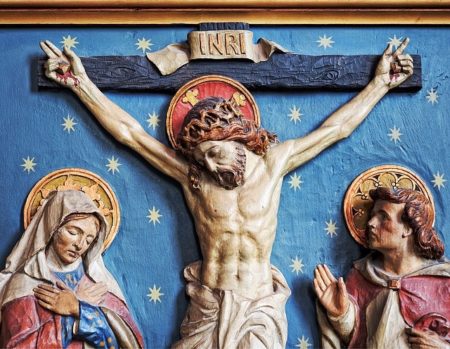
A celebration of Easter without a prior descent into the grave is dishonest and naïve, just as observing Lent without the uncompromising proclamation of the Resurrection is hopeless.
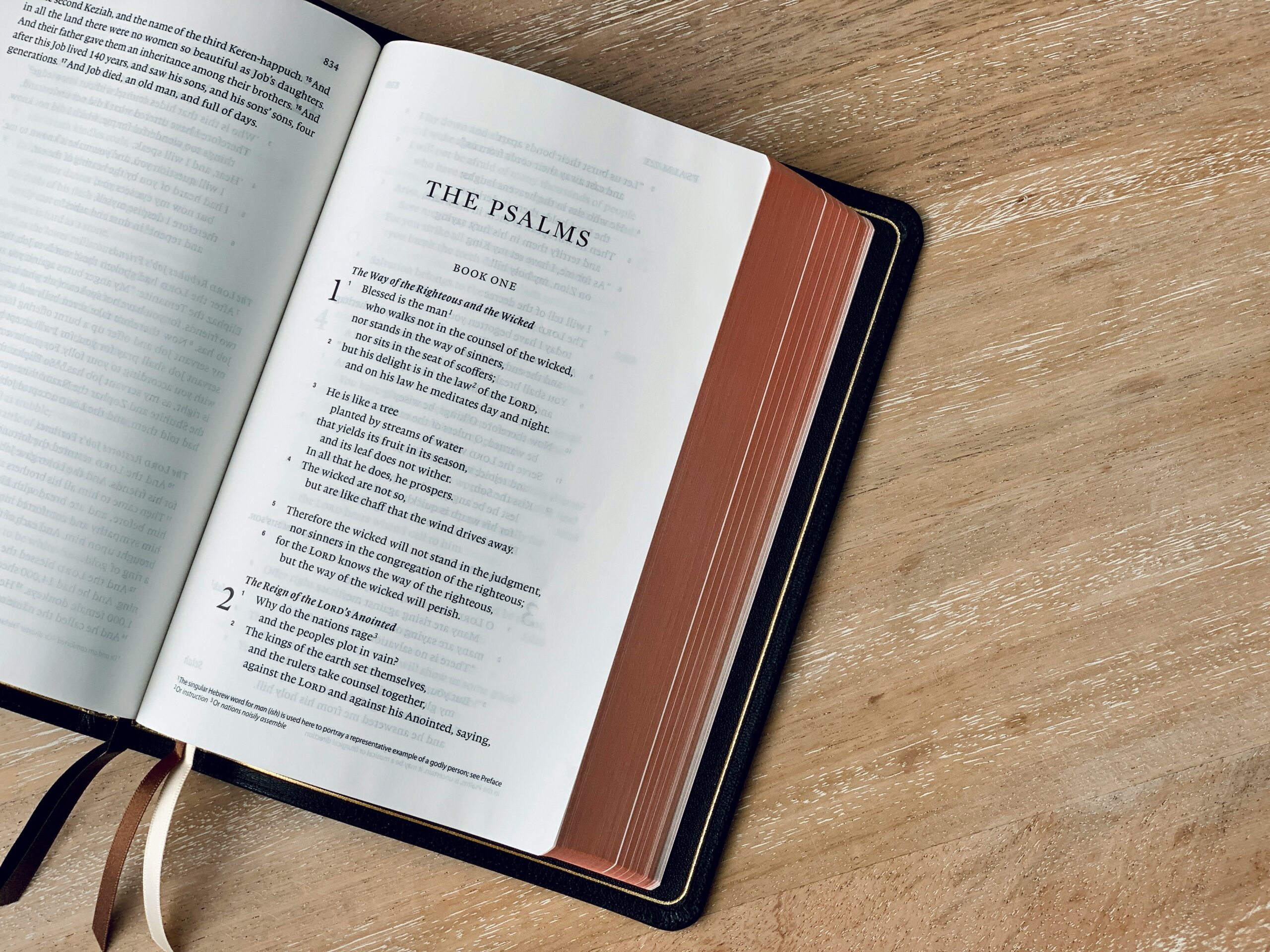
I didn’t immediately fall in love with the Psalms. I found them to be hard to understand and a little dusty. Then some hard things happened in my life and I landed on a few Psalms that became prayers when I didn’t know what to pray. When my mother died, Psalm 42 became my lifeline. Psalm 116 was my testimony in a season when
It happens to all of us. An old song or movie comes on, and somewhere, out of the depths of your dusty brain, a reflex kicks in. Before you know it, you’re singing words you didn’t know you remembered, or you’re quoting a line right before the actor says it. It’s like muscle memory, hidden deep beneath years of doctor

What damage can be done if people exercise their spiritual gifts without love?

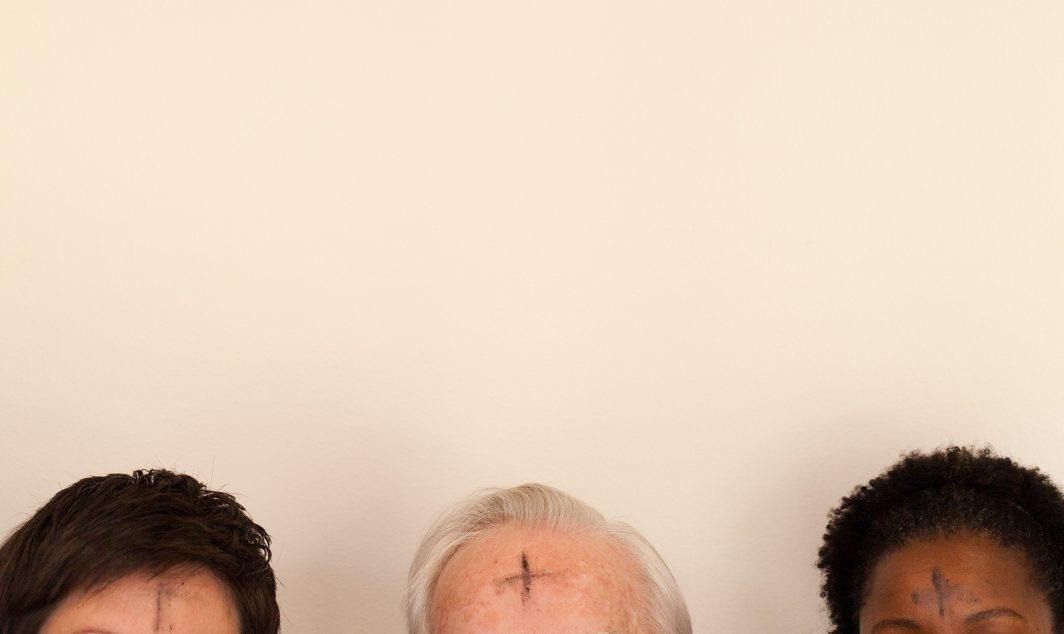
Lent is a season of clarity. We already sit among the ashes. We already sit in cities made in our own image.
Simcha Bunim was a Jewish rabbi who lived in Poland in the 1700s. He is best known for what might be called the parable of the two pockets. The parable begins with two slips of paper. On one slip is written, “I am dust and ashes.” On the other slip is written, “For my sake the world was created.” These