Two (More) Ways to Integrate the Arts into the Church’s Mission by Philip Tallon
A ministry that sees the arts as intrinsic, rather than instrumental, will already be two steps ahead in fruitfully integrating the arts in ministry.

A ministry that sees the arts as intrinsic, rather than instrumental, will already be two steps ahead in fruitfully integrating the arts in ministry.
As we seek to follow in the Jesus way, we need to recognize that more often than not, rather than being rooted in common sense, the Jesus way defies common sense.
You see, we must realize that organizations, and in this case the body of Christ, can only reflect the sum of the people who are part of them.
The disciples were transformed into messengers by the presence of Jesus in real time, through the power of the Holy Spirit.

If your church is sending youth to summer camp this year, how can you continue foster the lessons of their pilgrimage?
When Wesley spoke of the possibility of perfection in love, he didn’t mean that we are capable of this on our own power or merit, but rather he meant to challenge anyone daring to say that God can’t do it in us.
It’s dangerous to live your life with a past focus, with a two-dimensional Jesus, because you may end up following a tradition instead of following Jesus, God’s living Word.

Recently Wesleyan Accent Editor Elizabeth Glass Turner chatted with Rev. Zach Szmara, the founder of one of the first immigration legal clinics within a church building, about sanctuary, immigration law, and cross-cultural ministry at home. Rev. Szmara is the Lead Pastor of The Bridge in Logansport, Indiana, a congregation within The Wesleyan Church. He is the National Director of Immigrant Connection – a growing
Jesus wasn’t about hanging out on the “healthy” side of the river, the side of the “haves.”
It’s happened again and again. Do they give out “Webby Awards” for“Best Social Networking Campaign Aimed at Disenfranchised Young Men Searching for Meaning and Manhood in a Post-Religious Context”? In the 90’s, radicalization looked like bored, angry, white, oddball suburban teenagers shooting up their classmates as they latched onto whatever Nihilistic philosophy made sense of their bullied, middle-class ennui. Now
Close your eyes and imagine God turning towards you. What do you see? What might God see?

What sort of questions does the Resurrected Jesus ask? We’ve already seen that before the crucifixion, Jesus liked asking a question multiple times in different scenarios. In many cases we see his dialogues often contain a rapid succession of questions. In the final chapter of John we see the resurrected Jesus posing the same question multiple times to an old
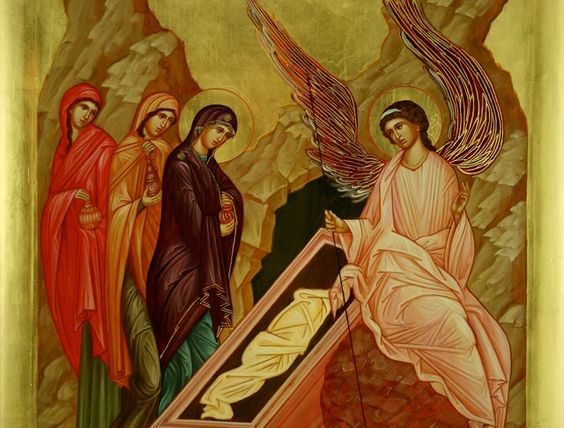
We need to regularly preach these stories (and others) to remind our congregations that the most important qualification for leading God’s people is not a Y-chromosome, but a faithful heart.
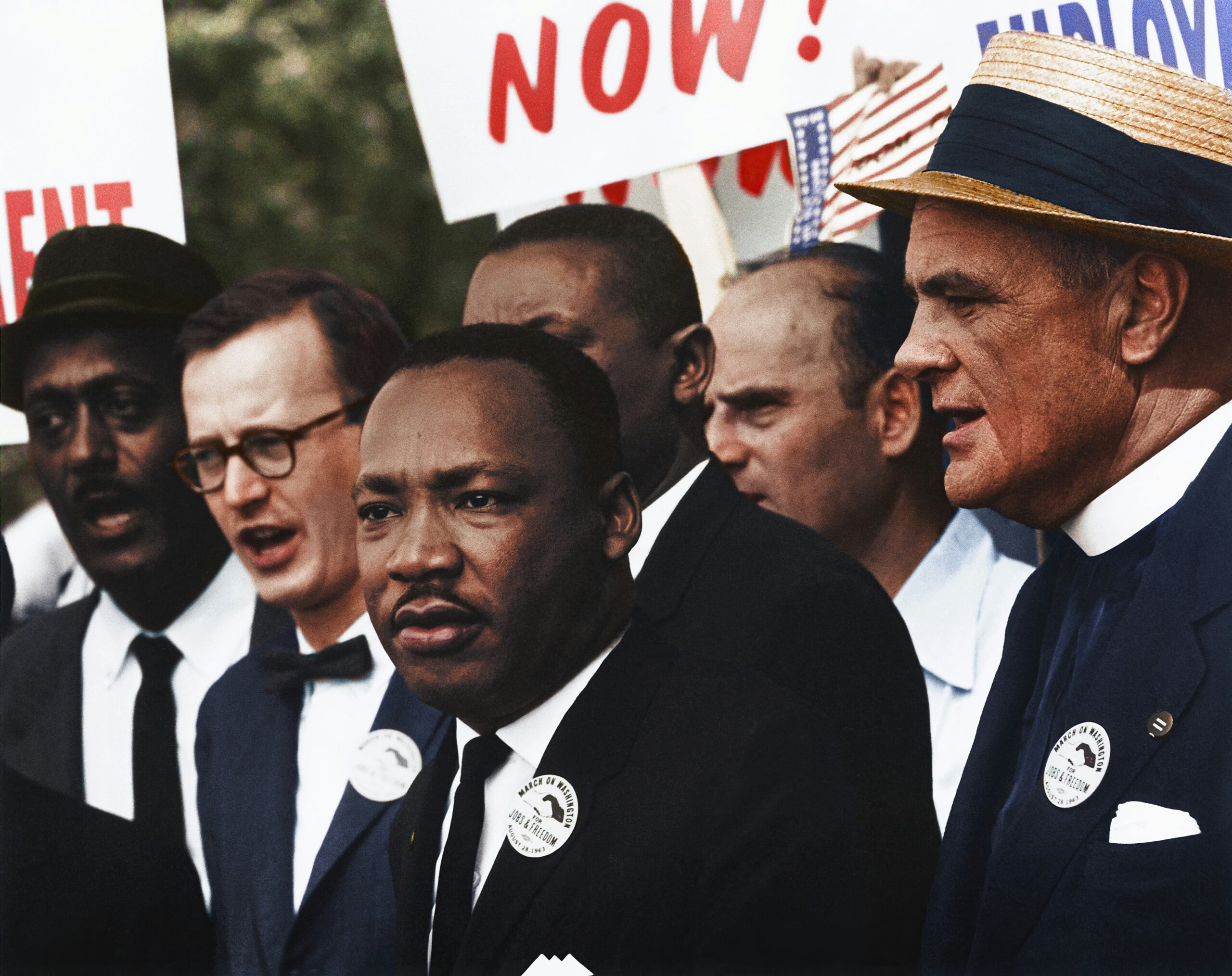
A Note from the Editor: Wesleyan Accent is pleased to share a rich chorus of voices who have answered questions posed in honor of Martin Luther King, Jr Day. Elizabeth Glass Turner In the United States, today we celebrate Dr. Martin Luther King, Jr Day. Many within our Wesleyan Methodist family observe this holiday in a variety of ways.
It’s that time of the year again. Usually, we pump ourselves up, decide to set goals or resolutions, and…end up failing, or not even beginning. Despite our defeats, good intentions are behind this resolution setting, with introspective, purposeful questions guiding the way. Who am I? What do I desire? What do I want to change about myself? Who do I
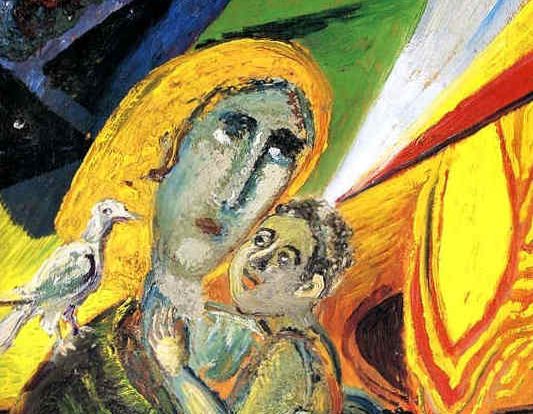
If there is one aspect of Jesus’ life that can help us gain insight into his mission, it is when he said: “My peace I [give] to you.” (Jn. 14:27) After his resurrection, this was a very particular way in which Jesus greeted the disciples: by saying “peace be with you.” Note John 20:21, when Jesus said, “Peace be with
It is not perfection that makes a love great, it is its willingness to persevere through the hardship, challenge, and pain.

The problem with assuming we know the details is that often reality differs significantly. Then it becomes easy to question our calling.

It is the time of year when resolutions abound. Or if not resolutions, goals. Maybe goals are too weighty a burden: maybe wishes. It is the time of year when wishes abound. Despite the popularity of making “New Year’s Resolutions” – and despite the popularity of articles detailing how to make resolutions “stick” – most people know that lasting life

How do we understand and define what the church is constituted to be? To answer this question, one must first ask: what is the mission of the church? The Missio Dei The first thing to notice in this question is the assumption that the mission is of the church. Here lies significant misunderstanding and misplaced value: the mission is not