Being Our Whole Self
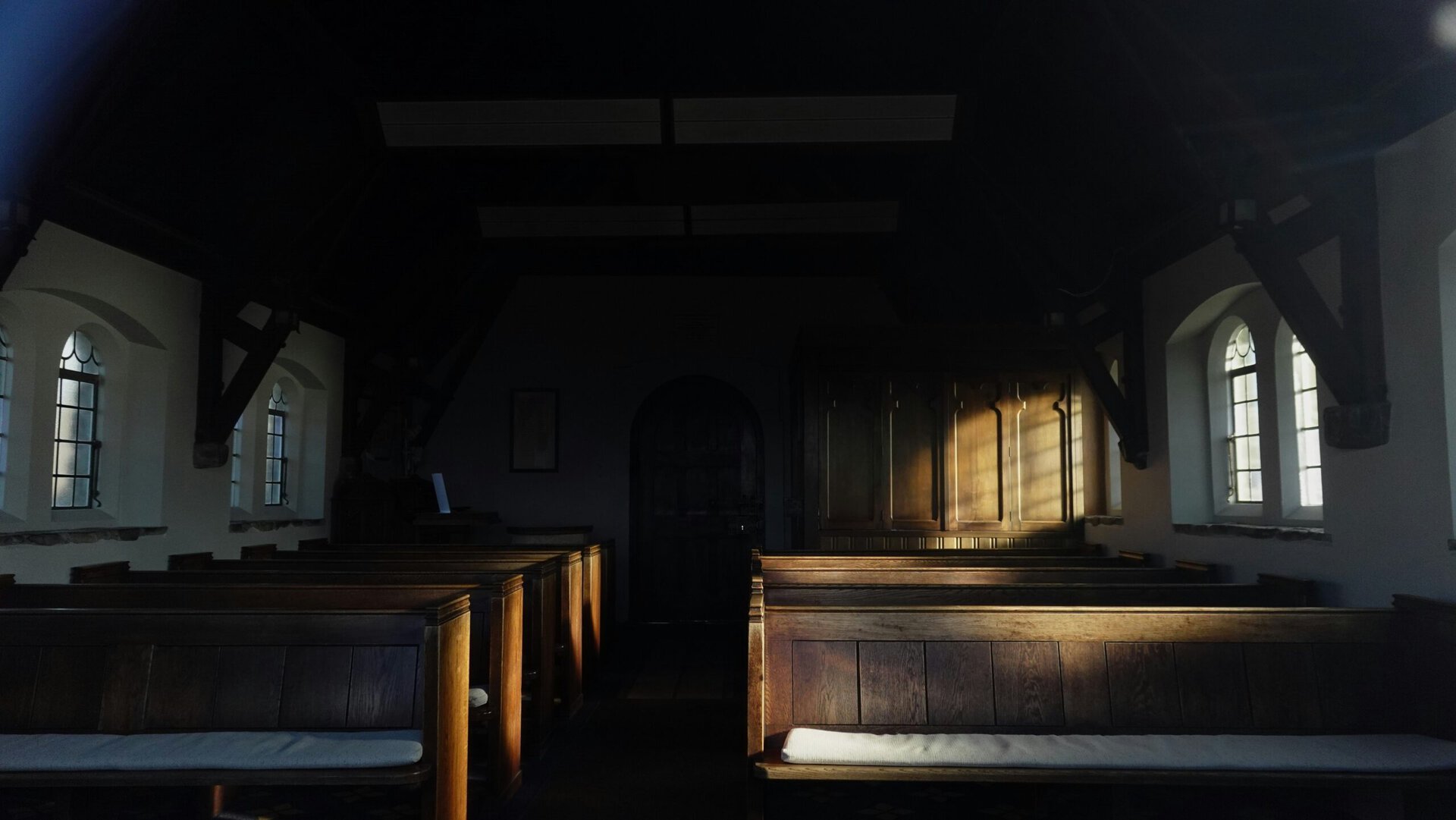
I don’t know when it actually began. Maybe in that little church in rural Mississippi when a country preacher sounded a note that called for a response from a fourteen-year-old boy in the congregation. The package was too neatly wrapped and tied then. The walk down the aisle, the public profession of faith, and the baptism did not bring the complete satisfaction it was said to bring. Something did happen though that has had a lasting effect.
I made a commitment!
I didn’t feel any holier after the walk in the presence of those uncles and aunts and cousins. Nor did I feel any cleaner after that immersion. I felt better, though. Not in any moral sense, but in the inner sense of direction. I felt better because I was now a part of a people who claimed salvation. I was one of them and there was an assurance in this that quieted the stirrings of an uneasy conscience and clouded the visions of eternal punishment.
But that wasn’t enough. It never is. We humans are not made for security. While a negative promise of deliverance from some hell tomorrow may provide momentary relief, the pangs of another hell are even more devastating. We are haunted by a self we cannot find – the self we are destined to be. In our times of aliveness, we become so aware of the potential that is ours as persons that we either cringe in agony at our failure, or we exult with joy at our possibility. In such moments we are like newborn babies, opening our eyes to the world for the first time. It is at once strange and terrifying, yet beckoning and exciting. For this were we made, and for this came we into the world – to live and to live fully, to be our whole self; not to escape some destiny tomorrow, but to find some destiny now – to be what God intended us to be: our whole self.
Now-living requires discipline, intense energy, and conscious effort. We are not always capable of it. None of us is free from failure in our efforts. Such a focus drains us because it requires the immersion: of the total self into the situation. I’ve found, however, that when I give myself totally to one experience, even though it drains me, paradoxically, I find in that experience the strength to move to the next one. It is as though one experience, totally entered into, prepares and equips you for the next one. Of course we are sometimes overcome with sheer physical exhaustion, but no more so than in the shallow way we often live. The past and the future can deplete our energies more readily than the present.
The quality of personal relationships changes when our focus changes to the now. If I can give you my attention without anticipating something that is to follow, you feel more accepted, more appreciated. This makes you more open, more honest. Much more can take place in that kind of relationship, even in a shorter period of time, than what goes on in an interview when I am conscious of another appointment or another person whom I’m to see later.
In my book The Manipulator and The Church, I discuss the problem of manipulation as practiced by ministers and laymen. If we have a now orientation and can focus on what is going on between us now, then the likelihood of our relating to each other manipulatively diminishes. We need to help dismiss that. Little growth can take place without a change of focus from the past or the future to the now.
As James says, ‘Go to now!’ What call to commitment beckons you to live right now?
Search:
Share This Article:
Subscribe
Get articles about mission, evangelism, leadership, discipleship and prayer delivered directly to your inbox – for free